

Haymitch Abernathy was never supposed to be in the arena. At the reaping on his sixteenth birthday his name isn't drawn, and he is pulled from the crowd anyway after stepping in to protect his girlfriend, Lenore Dove (Whitney Peak), from armed Peacekeepers. It is the kind of choice a person makes in two seconds and pays for over the next two and a half hours.
Zada at the center
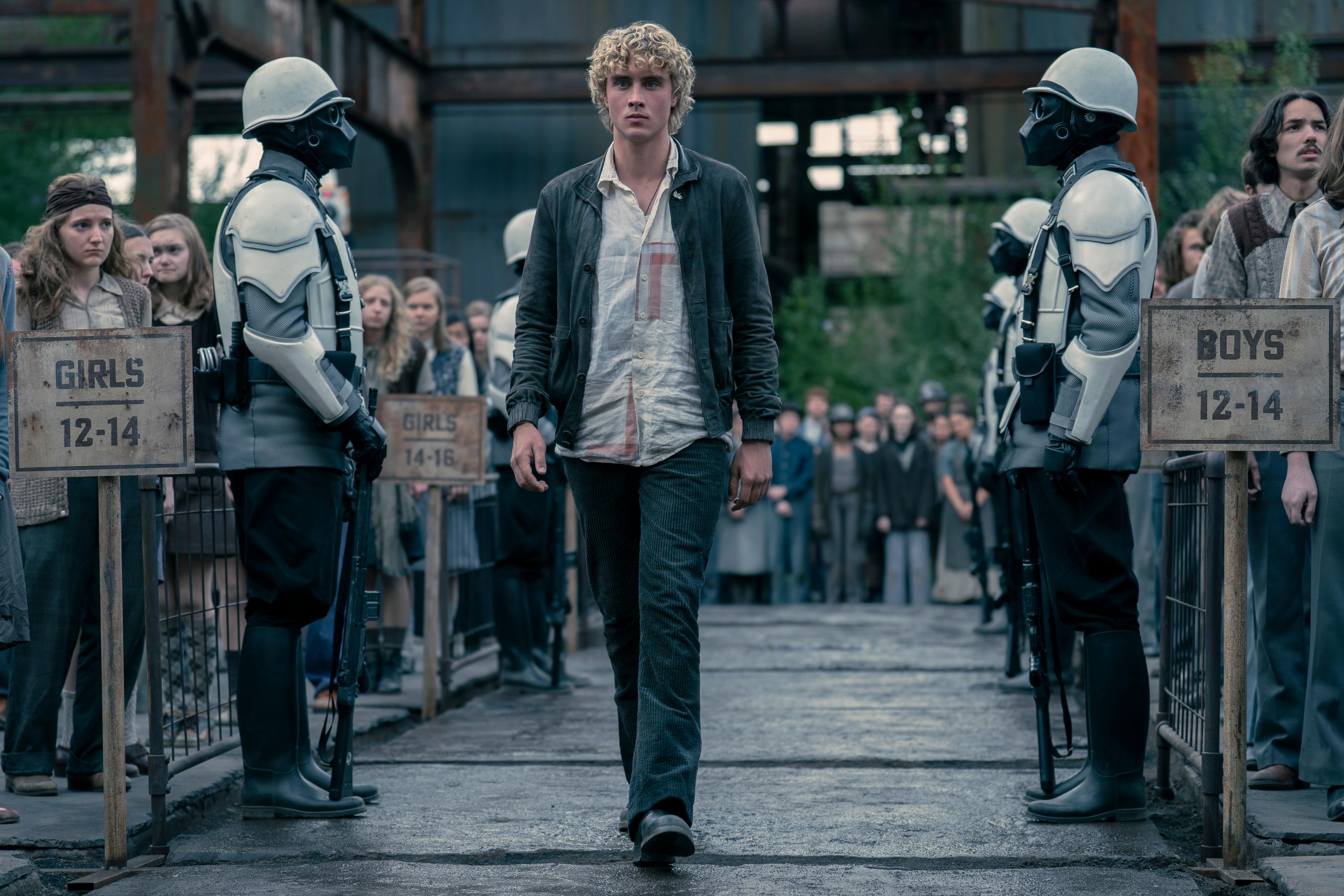
Much of The Hunger Games: Sunrise on the Reaping depends on Joseph Zada making that moment believable, and he does. His Haymitch is quick-witted, kind and a little too quick to act, a boy who reacts before he thinks. The film is set 24 years before the first one, in the Second Quarter Quell, when 48 tributes go into the arena, and Zada holds the center of it. He gives us the teenager who will become Woody Harrelson's Haymitch and mostly resists doing an impression of him. By the last act he looks physically wrecked, and it is his best work.
Maysilee and the Capitol
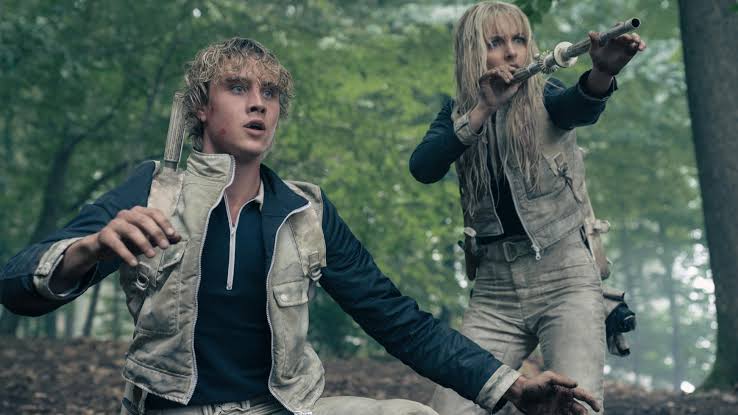
Mckenna Grace is a worthy partner. Her Maysilee Donner starts out as a petty bully back home and turns out gutsy, loyal and handy with a poison blow dart, and her toughness gives way to fear as the Games go on. Grace's sharper Maysilee and Zada's quieter Haymitch give the arena its pulse. Glenn Close is gleefully cruel as the Capitol escort Drusilla Sickle, and Jesse Plemons makes a vivid Plutarch Heavensbee.
The arena

The arena sequences are vicious and bloody, and the stakes stay high throughout. Francis Lawrence, who has directed every entry in the series but the first, also lets the film say plainly how power works in Panem and how easily decent people become pieces in other people's games.
A known ending
Anyone who has seen the original film knows where Haymitch ends up, and the prequel makes good use of that. Every warm moment carries the weight of what comes later. It improves on The Ballad of Songbirds & Snakes and it explains Haymitch in a way that is hard to shake.