
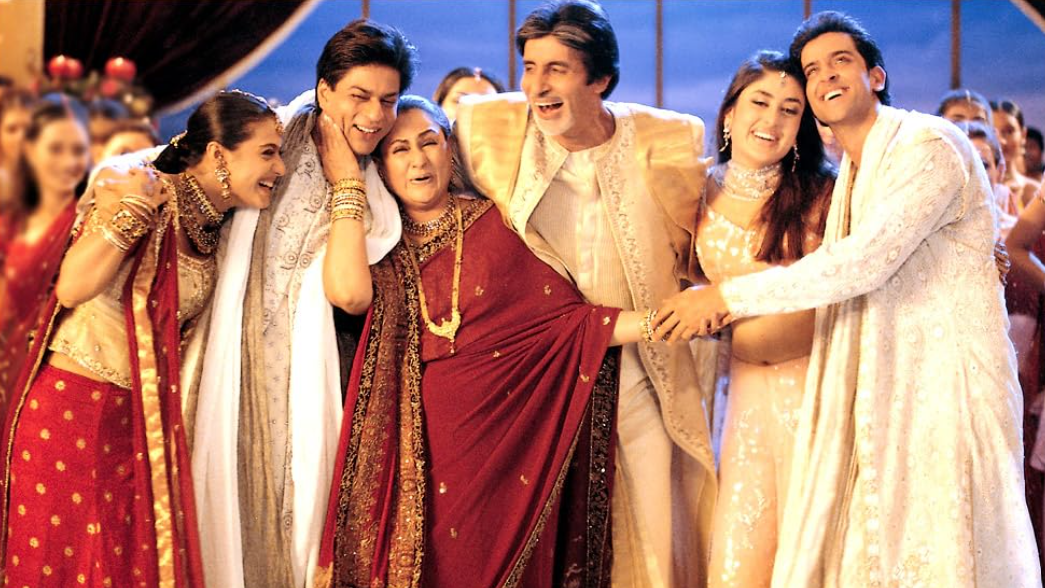
When Rahul Raichand arrives home by helicopter in Kabhi Khushi Kabhie Gham, the house waiting for him is a Bath stone château with towers, turrets and dormer windows, supposedly somewhere in Delhi. The film was released on 14 December 2001 and turns 25 on the same date this year, which makes this a good moment to look at that house properly.
A French château in the English countryside
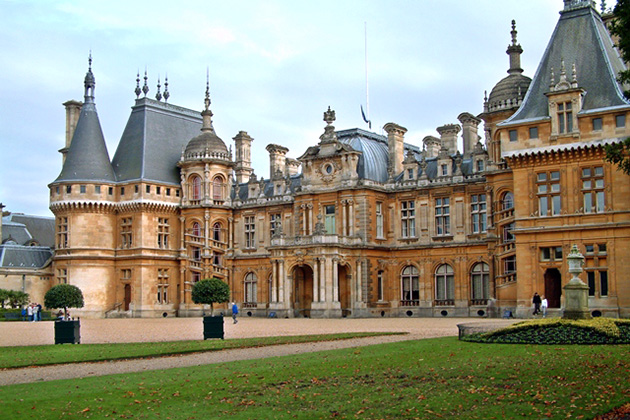
In real life it is Waddesdon Manor, about six miles northwest of Aylesbury in Buckinghamshire. Baron Ferdinand de Rothschild bought the 2,700-acre estate in 1874, had the top of a hill levelled and hired the French architect Gabriel-Hippolyte Destailleur to build a weekend house in the style of a sixteenth-century château, borrowing details from Blois, Chambord and others. It was meant for entertaining and for displaying his art collection. Running water and central heating were installed from the start, and electricity arrived in 1889. James de Rothschild left the house to the National Trust in 1957.
Rebuilt in Mumbai
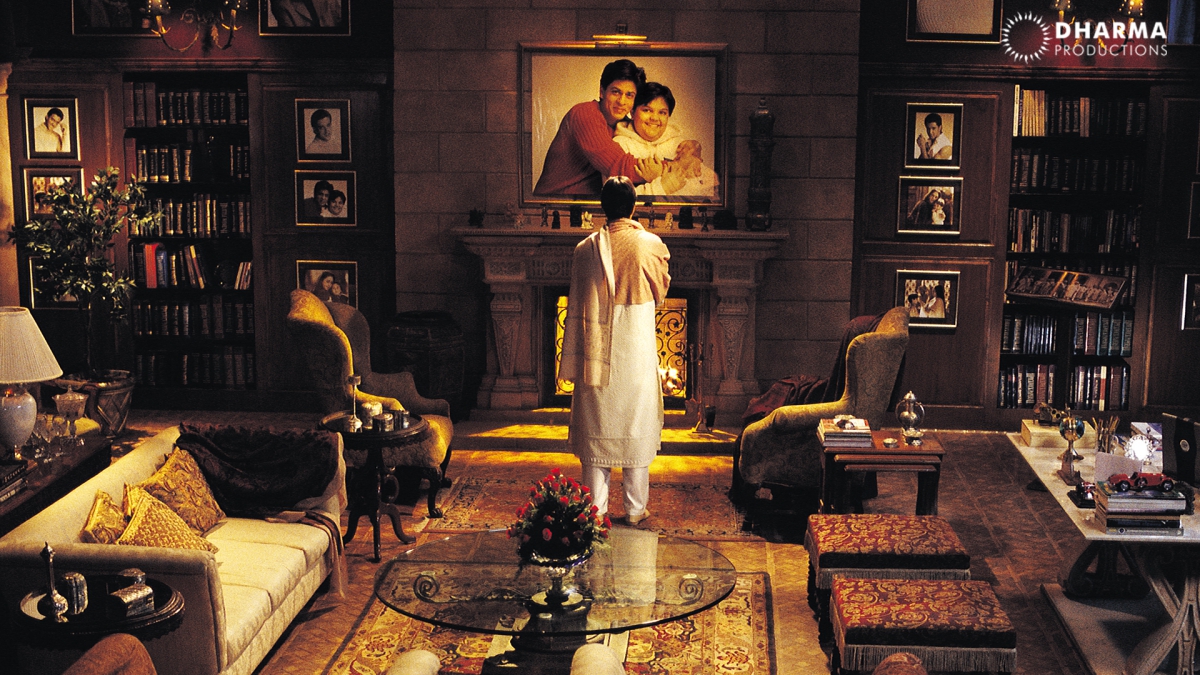
The rooms inside were another matter. The interiors were created in Mumbai, and the aim, as director Karan Johar has put it, was one seamless house: an enormous manor could not open onto rooms that failed to match its scale. Production designer Sharmishta Roy won the Filmfare Award for Best Art Direction for the film, which cost 40 crore rupees and was the most expensive Indian film of its time.
A staircase with a story
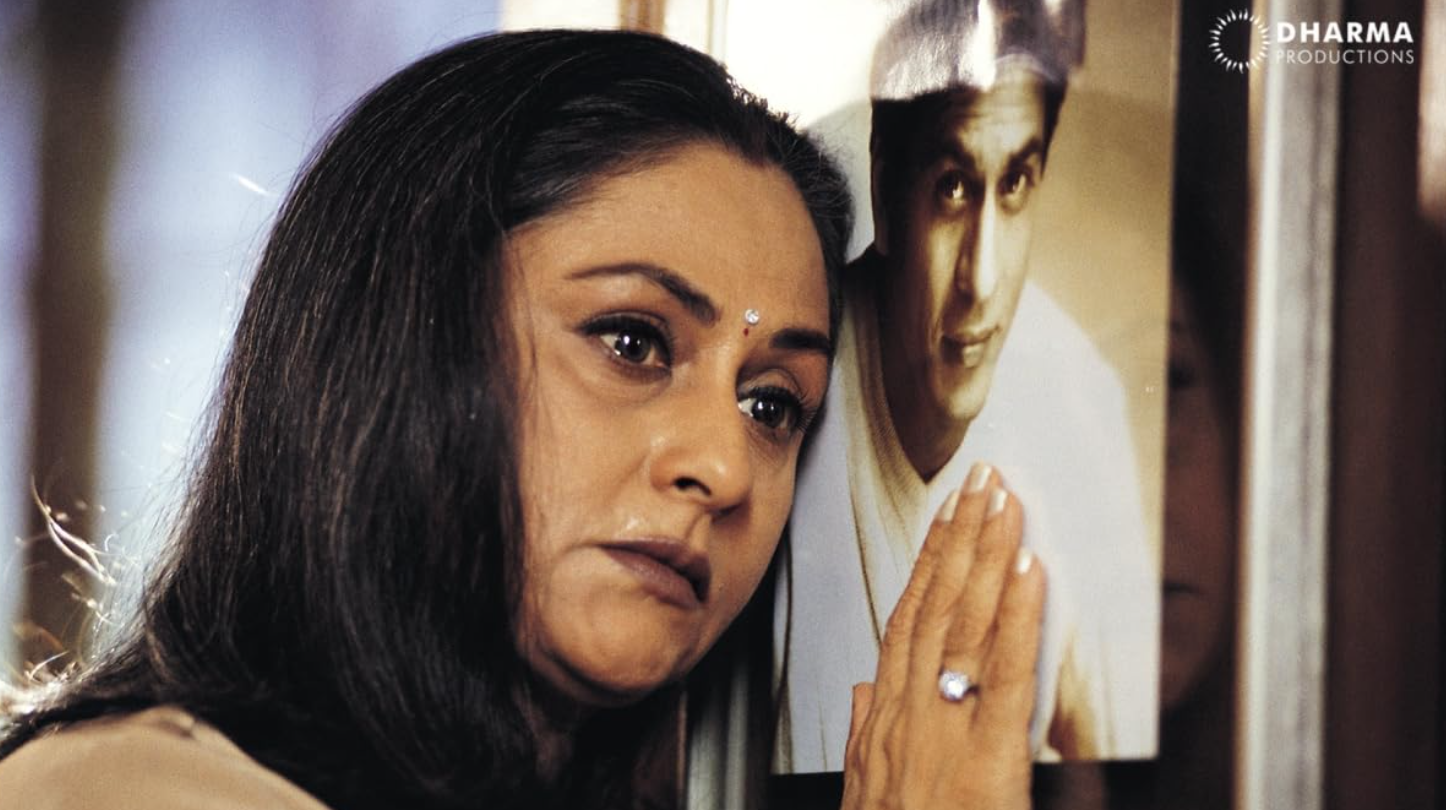
Johar has said he never imagined that, a quarter of a century on, people would remember the staircase, the family portraits, the broken vase and the little stool Nandini stands on. When the film was made, the house existed entirely as a world created for a movie. He has described the film as a reflection of its time, with a growing appetite for aspirational lifestyles, global settings and stories about Indians holding on to their identities in other cultures, and has said that what interested him most was the contradiction between that privilege and the emotional conflicts inside a family.
Home, twice over
That contradiction is built into the house itself: a European château on the outside, Indian interiors on the inside, designed to read as a single place. For a film about a wealthy family and its emotional conflicts, it is a fitting address.