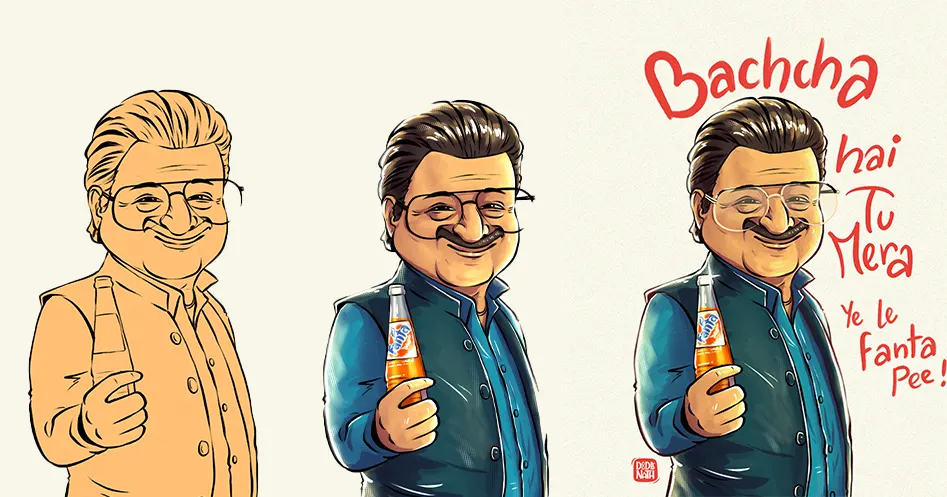
It isn’t for the first time that Ankur Debath, famously known as @DoodleNath on Instagram, has experienced what it means to go ‘viral’. But this time, it was nothing he has seen, witnessed or celebrated. His work was possibly claimed to be AI generated and everybody enjoyed a moment of fame with the audience. We are talking about an adorable sketch of Jameel Jamali played by veteran artist Mr Rakesh Bedi in Aditya Dhar’s Dhurandhar. While Ankur’s creation reached a million likes, he surely was overwhelmed only till the moment it was ‘his fan art’ not morphed, grafted with products and claimed by multiple brands. All this is shown without a word of credit, message or permission from the brain behind it.
“An artist spends years to develop a style which is recognised as his visual voice. When a situation like this arises, it feels disrespectful.”, Ankur says this after finding when brands repurposed his work. "If I used their content, they would expect payment or at least credit. Why should it be any different the other way around?" The logic is simple, but this practice is not.
“This time instance took a different turn. When it began, virality was affirming, but it felt like the theft was probably dressed as flattery. While the brands used AI to their advantage, my existence as an artist was at stake. No credit, no recognition for my craft shook me.”
Karma, comments, and a quiet reversal
For an artist who seeks justice, Ankur and his manager discussed taking legal action, possibly drawing a parallel to the controversy surrounding the unauthorised use of Studio Ghibli's visual style. But before that path was acted on, Ankur’s community – including his social media followers – showed up.
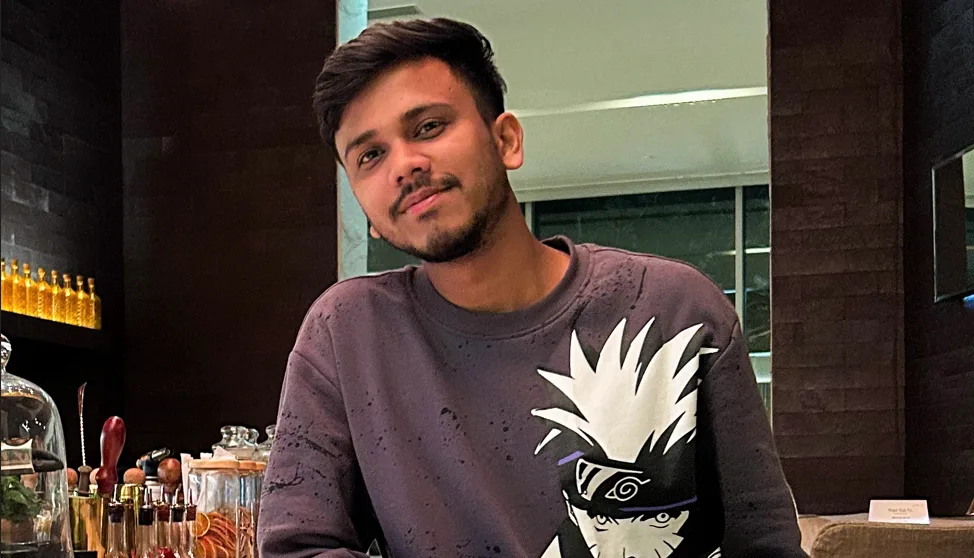
In the comments sections beneath the offending posts, supporters voiced a fair union of opinions. The pressure worked beautifully. Jio Studios and B62 Studios, the makers of the multi-crore blockbuster Dhurandhar, subtly reposted the artwork and duly recognised the man behind the sketch.
"Karma hitting back," Ankur calls it. He doesn't say it with bitterness. There is something almost philosophical about the way he frames it: the wrong was corrected not through courts but through community. Ankur affirms that such a strong community empowers artists to stand out and address injustices.”
Brands, AI, and the people in between
“It is important to recognise, realise, and carefully distinguish between technology with AI and the people who utilise it to deploy results carelessly. I’m not against the tool but against a culture of its use. If the technology is seeping into platforms rigorously, it is the publishing platforms like Meta, Instagram, etc. that
Keep an eye on morphed images and their production and publication under check. That will keep us, the artists, safe from being victims of the wrongdoers. "Suggests Ankur.
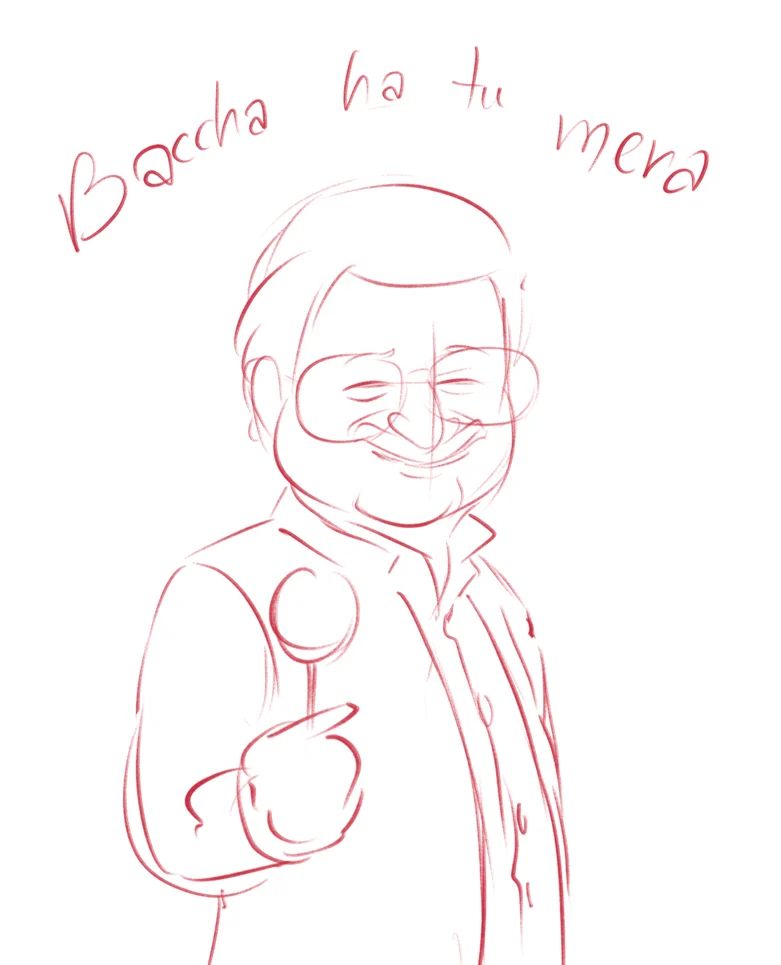
The problem, he argues, runs through brand culture itself. There is a void in many marketing and creative teams: a lack of people with genuine artistic literacy who understand what it means to make something by hand. Without that understanding, decisions about sourcing and using art become purely transactional — and in that transaction, the artist disappears.
"AI cannot replicate human thoughts or a unique artistic style," he says. The statement sounds like a defence, but it is also an observation about value. The hand-drawn mark carries something that the generated image doesn't: time, intention, a particular human sensibility. That is neither nostalgia nor craft.
Looking Forward
When asked what structural change would actually help, Ankur turns practical. Social media platforms, he suggests, could introduce automatic "created by" tags for original work, which may be a simple, yet scalable, attribution layer that doesn't require artists to chase down every repost.
On the regulatory side, he believes stricter government action is long overdue. Consequences must be serious enough that people pause before lifting someone else's work. Not a chilling effect on creativity, but a basic deterrent against theft.
Ankur affirms, "My motivation to sketch was never at risk. I will keep making art regardless of social media or incidents like this one. The passion predates the platform. The work continues. However, I hope the environment around changes so that other artists, with smaller followings and fewer vocal supporters, have something to stand on too.”