
At some point in the last few years, rewatching old shows became the default. Faced with an endless catalogue of new releases, many viewers are making a seemingly contradictory choice. Instead of searching for something new, they are pressing play on shows they have already seen multiple times.
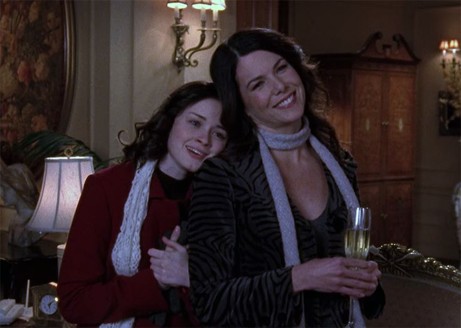
After a difficult day, the instinct is rarely to start a new drama that demands complete attention. More often, it is to return to familiar territory. A few episodes of Friends, The Office, a visit to Stars Hollow in Gilmore Girls, or another evening spent with the residents of Schitt's Creek are all good options. We know the jokes. We know the storylines. We know exactly how everything will end. That certainty is precisely what makes these shows appealing.
Why Familiarity Feels Good
The term "comfort show" has become a fixture of internet culture, but the phenomenon itself is hardly new. People have always returned to favourite books, films, and television series. What has changed is how easy streaming has made it. Entire shows now sit permanently within reach, waiting to be revisited whenever life feels overwhelming. A comfort show is not simply a show you enjoy. It is one you return to because it asks very little of you. The characters are familiar, the conflicts are manageable, and the outcomes are predictable.
Psychologists often describe familiarity as a source of cognitive ease. When we encounter something we already know, our brains require less effort to process it. We are not learning new characters or trying to follow complicated plot twists. Instead, we settle into something comfortable and familiar. That familiarity can be surprisingly restorative. Rewatching a favourite sitcom is not necessarily about avoiding reality. Sometimes it is simply about giving your brain a break.

Nostalgia also plays a role. Many beloved comfort shows are tied to specific moments in our lives. Watching One Tree Hill or Freaks and Geeks years later often means revisiting a younger version of ourselves. During periods of uncertainty, those familiar stories can provide a sense of continuity and connection.
The Streaming Effect
Streaming platforms have transformed television into an always-available archive. In theory, services like Netflix and Amazon Prime Video offer endless choice. In practice, many viewers spend more time revisiting old favourites than exploring new releases. Part of the reason is simple. Choosing something familiar eliminates the risk of disappointment. When you're already tired from work, studies, or everyday stress, spending twenty minutes scrolling through recommendations can feel like a task in itself.
The rise of comfort shows also reflects the broader mood of the past few years. Economic uncertainty, burnout, political turbulence, and an exhausting news cycle have left many people craving stability. Against that backdrop, a sitcom where problems are neatly resolved in half an hour can feel surprisingly reassuring.
Comfort Viewing in the Short-form Video Era
For Gen Z, comfort viewing often works differently than it does for millennials. Many younger viewers have adopted shows that aired long before they watched them. Series like How I Met Your Mother, Gossip Girl, and Parks and Recreation continue to find new audiences through streaming platforms, Instagram edits, memes, and recommendation videos.

Social media has also turned comfort viewing into a shared experience. Clips from old shows circulate constantly online, keeping them culturally relevant years after they have ended. A show is no longer something you watch and move on from. It becomes part of an ongoing conversation. The idea of comfort media has expanded beyond television as well. Familiar YouTubers, podcast hosts, and gaming streamers often serve a similar purpose. The appeal is not novelty but familiarity.
More Than Escapism
Critics sometimes argue that endless rewatching discourages people from engaging with new stories. There is some truth to that. Art often gains its power from surprise and discovery. But comfort viewing is not necessarily a rejection of new experiences. More often, it is a response to the demands of everyday life. Most people are not choosing between rewatching a sitcom and consuming groundbreaking art. They are choosing between a familiar episode and another hour of stress.
The popularity of comfort shows something important about the moment we are living through. In a world that often feels unpredictable, familiar fictional worlds offer a rare sense of stability. We know what happens. We know the characters. We know everything will be okay by the end of the episode. Lorelai Gilmore will always have coffee. The residents of Schitt's Creek will always find their way through another small-town crisis. And for thirty minutes at the end of a long day, that kind of certainty can feel like exactly what we need.