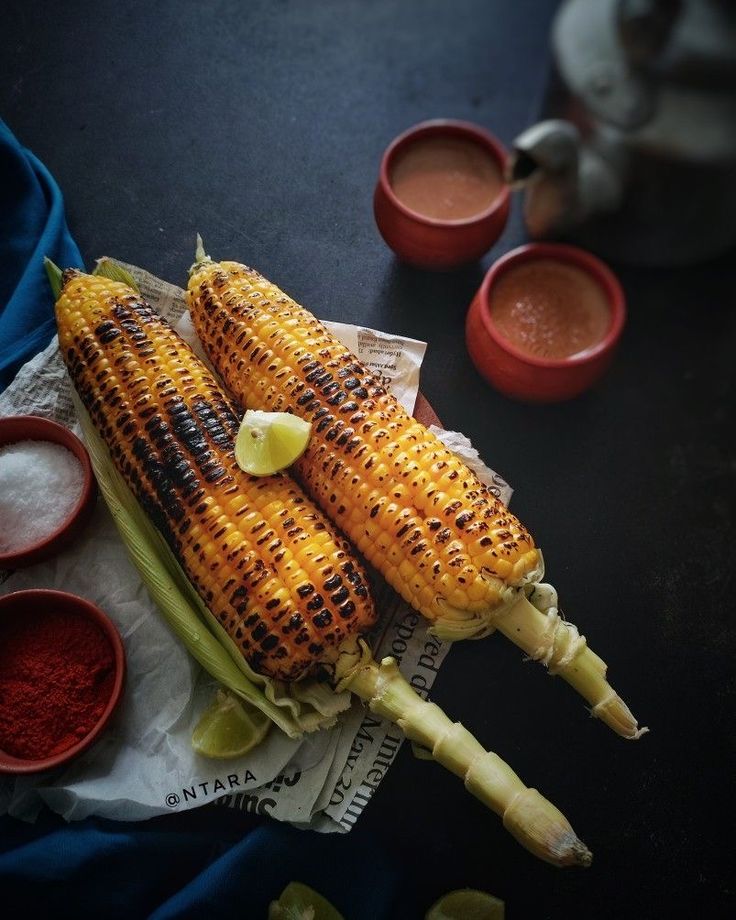
When the first spell of monsoon rain arrives, something curious happens across India. Roads glisten, the air turns cooler, and the aroma of freshly fried snacks begins to drift from roadside stalls. A cup of hot chai, a plate of pakoras, roasted bhutta, or a crispy samosa suddenly feels impossible to resist. While this craving may seem like a simple seasonal habit, it is shaped by psychology, food science, and years of cultural tradition.
The smell of rain and the power of memory
One of the biggest reasons street food feels more satisfying during the monsoon is the smell of rain itself. Known as petrichor, this earthy scent has a strong connection to memory because the brain processes smell alongside emotion. For many people, the first rain brings back memories of childhood evenings, family conversations over tea, school holidays, or walks to the local snack stall. Street food becomes part of those memories, making every bite feel familiar and comforting.
Why hot and crispy food feels right
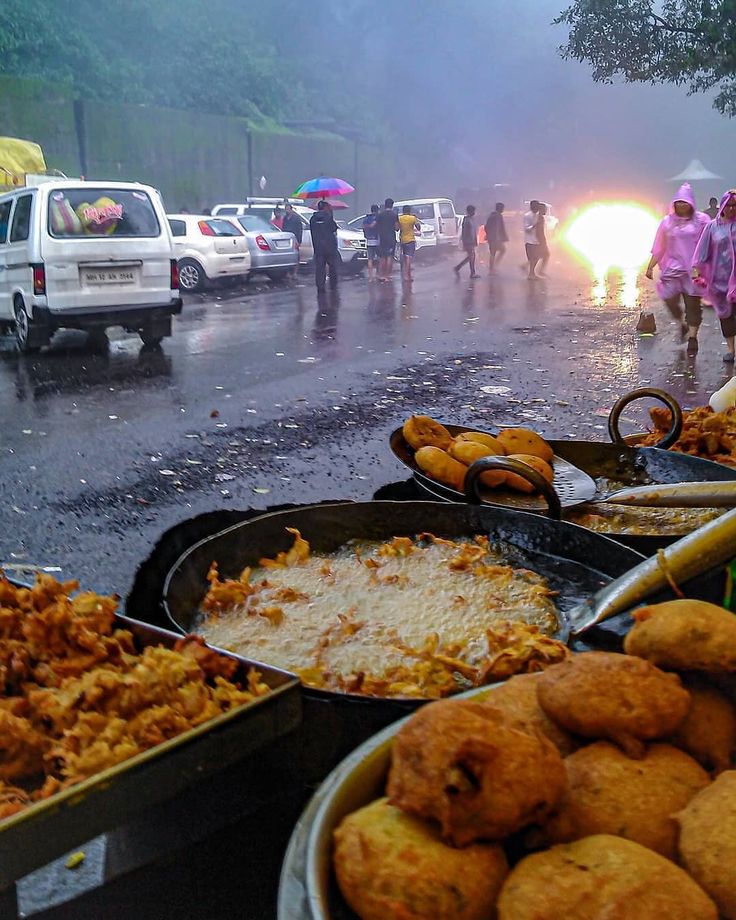
The weather also changes how we enjoy food. Rainy days are cooler and more humid, making hot food especially appealing. Crispy snacks such as pakoras, bhajiyas, kachoris, and vadas create a pleasant contrast to the damp surroundings. Food researchers have found that texture plays an important role in enjoyment. The crunch of freshly fried food, combined with its warmth, creates a richer sensory experience than the same snack on a hot summer afternoon.
A tradition shared across India
Every region has its own rainy-day favourite. Delhi reaches for chai and pakoras, Mumbai loves vada pav and bhajiyas, Kolkata enjoys telebhaja, while roasted corn remains a monsoon classic across many cities. These foods are more than seasonal treats. They are rituals that bring people together. Families gather around the table, friends stop at roadside stalls, and office colleagues step out for an evening snack. The experience is as memorable as the food itself.
More than just a meal
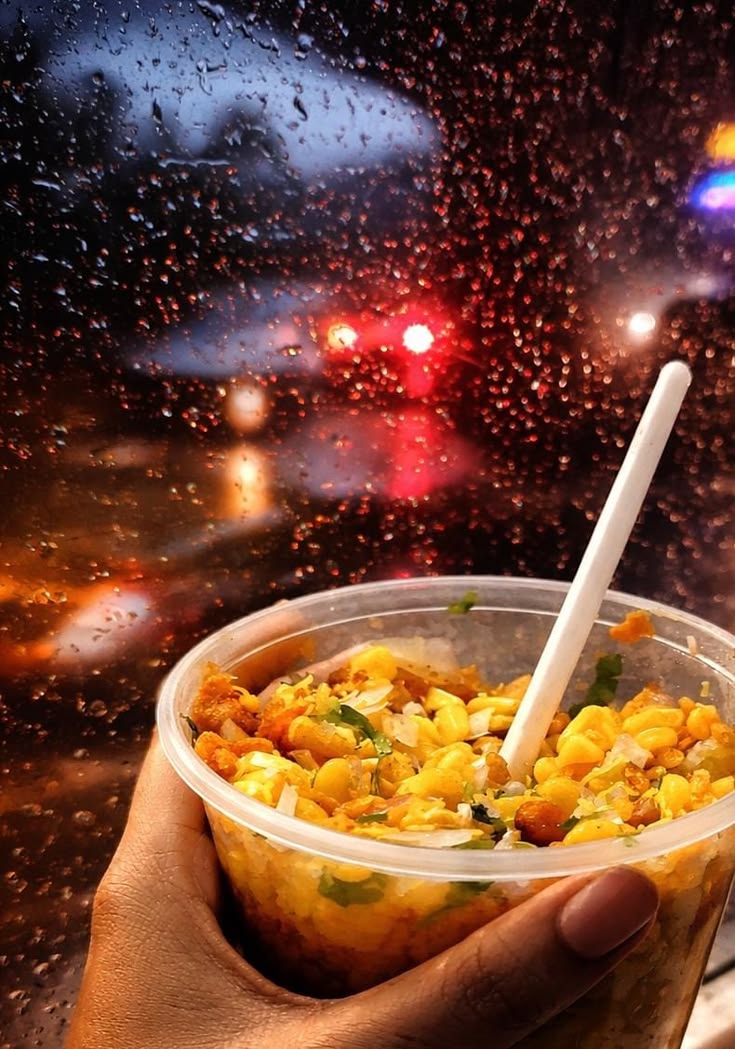
Street food during the monsoon is also about atmosphere. Watching food prepared fresh, hearing the rain fall, and sharing a simple meal with others creates a feeling that restaurants often cannot match. While it is important to choose clean and hygienic vendors during the rainy season, enjoying street food safely allows people to continue a tradition that returns every year. In the end, street food does not taste better simply because of the ingredients. It tastes better because rain brings together weather, memory, community, and comfort in a way that turns an ordinary snack into a cherished monsoon ritual.