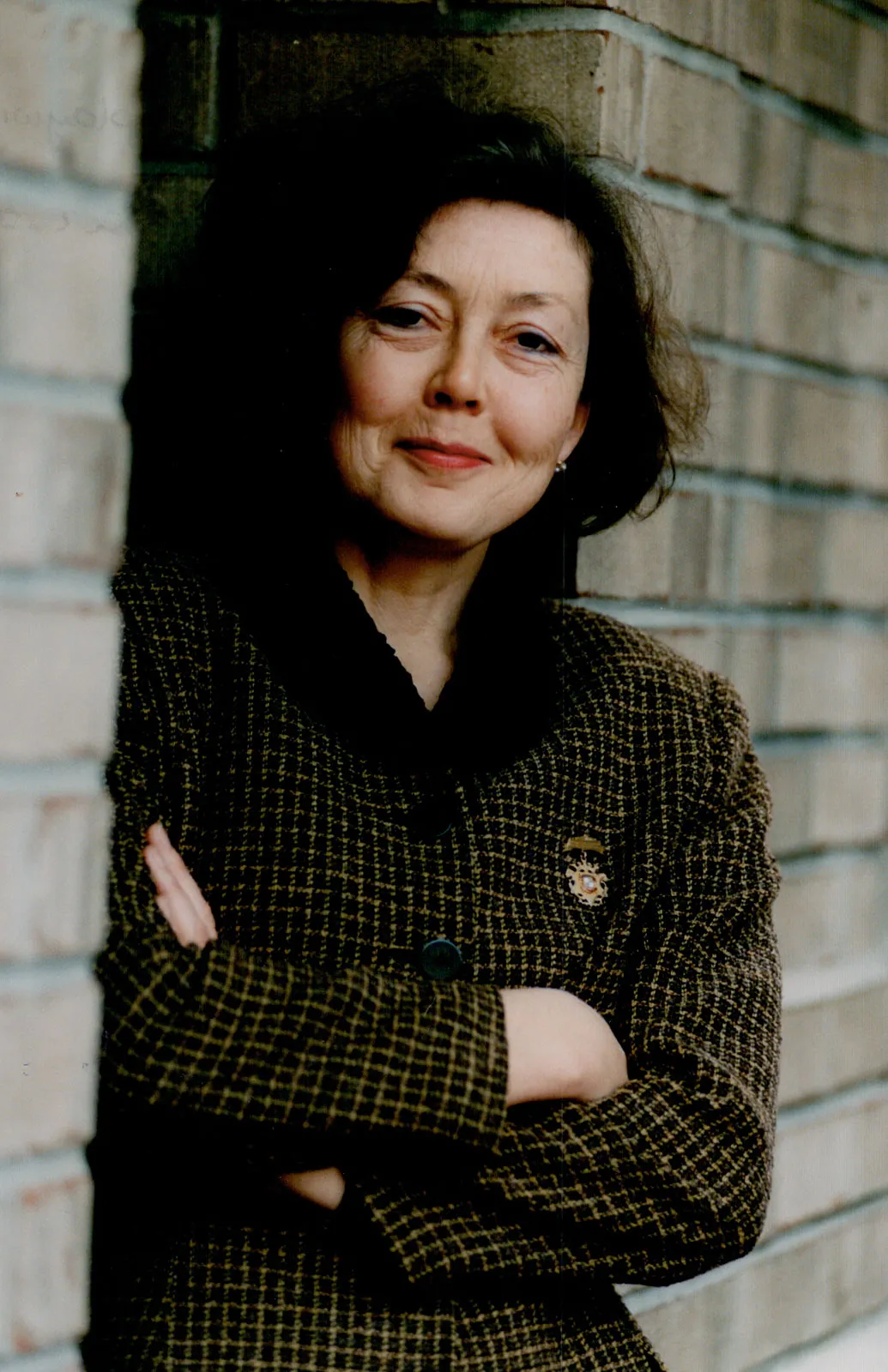
On 8 October, the Swedish Academy gave the Nobel Prize in Literature to a writer who has spent decades making it hard to say what kind of writer she is. Anne Carson has written poems, essays, translations and a novel in verse, and some of her books manage to be several of these at once. The Academy honoured her for work that, in its words, has created “new forms for contemporary literature.” A more accurate description is hard to imagine.
One writer, many shelves
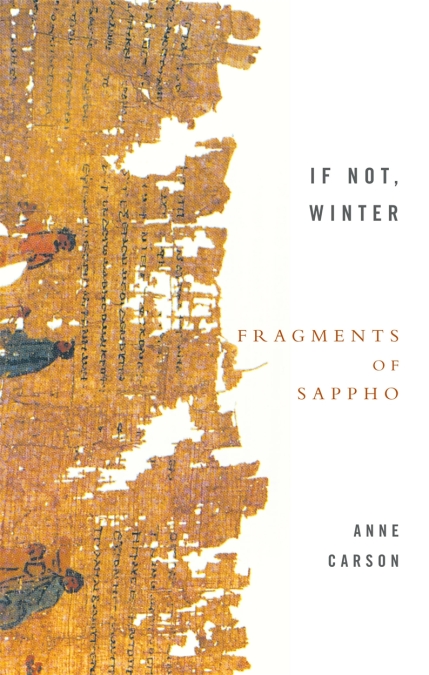
Carson is a Canadian classicist, and ancient Greek sits at the centre of much of what she writes. She has translated Sappho, Sophocles and Euripides, and she explored desire and its Greek roots in Eros the Bittersweet. Her translations read as poems, her scholarship can feel like confession, and her poems often arrive dressed as essays or scripts. Performance is part of her practice too, which is one more reason the usual labels slip right off.
A myth with red wings
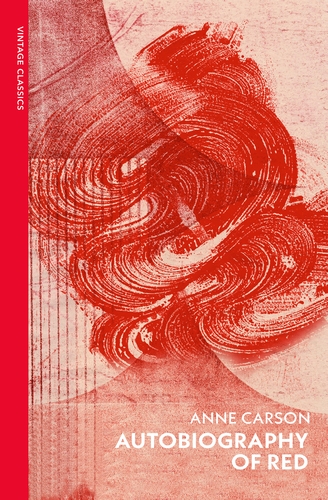
Autobiography of Red, published in 1998, is the easiest way in. A novel told in verse, it begins with a fragmentary poem by the ancient writer Stesichorus about Geryon, a red, winged monster killed by Herakles for his cattle. The red wings stay, but Carson drags the story into the present. Her Geryon is a sensitive teenager who photographs the world around him, and her Herakles is a restless young man he falls for and cannot hold. The book even borrows the format of a scholarly translation, with translated fragments tucked in. The pace is quick enough that you forget to ask which genre you are reading.
A book you unfold
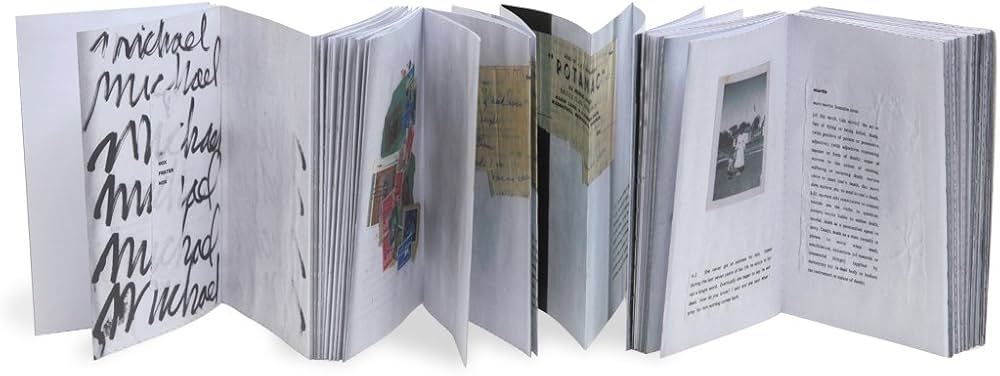
Nox, from 2010, pushes the experiment into the physical object. It arrives in a box, and inside is one long page folded like an accordion. Carson made it after the death of her brother Michael in 2000, and it reads like a scrapbook of grief, with family photographs, letters and sketches sitting beside her own writing. Running through it is a Latin poem by Catullus, who mourned his own brother more than two thousand years ago. Carson gives the poem’s words dictionary-style definitions, one at a time, so that translating becomes a way of mourning. Near the end, her finished translation appears. You do not simply read Nox. You unfold it.
Why the prize matters
The win matters beyond one writer, because the Academy has stretched its idea of literature before. Bob Dylan was honoured in 2016 for new poetic expressions within the American song tradition, and Svetlana Alexievich in 2015 for polyphonic writing, books built largely from other people’s voices. That company now includes Carson, who comes at the question from inside the library. Genre, her work suggests, is a convenience for shelving and not a rule for writing.
Where to begin
For readers who have never opened her work, the news is an invitation rather than a test. Pick up Autobiography of Red for a story, or Nox for an object you will want to hold. Neither asks for a classics degree. Both ask only that you stay curious about what a book can be.