From retro Bollywood and old songs to vintage fashion and analogue experiences, a generation born in the digital age is looking backwards to find something it never lived through. There is something fascinating about a generation raised on smartphones, streaming platforms and algorithms becoming obsessed with a world that existed before all three.
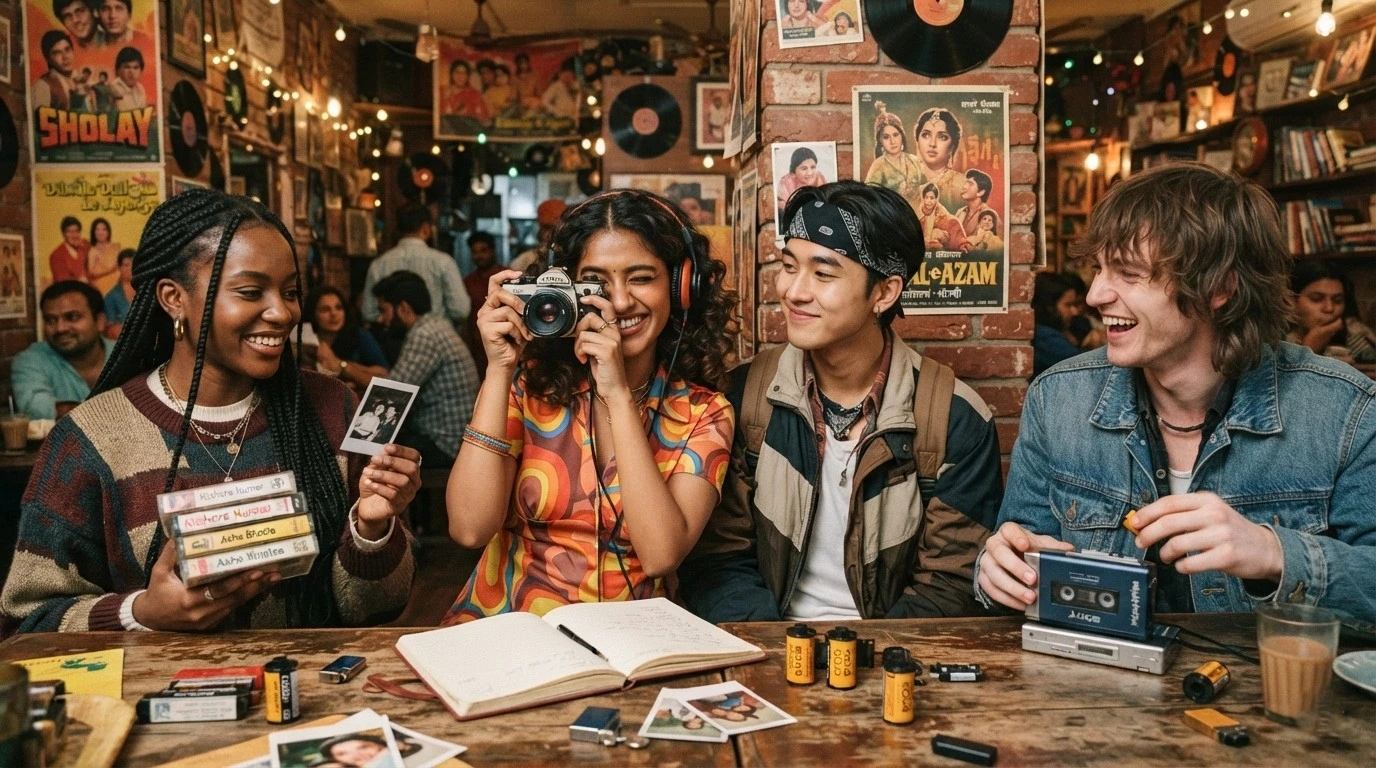
Across social media, old Bollywood silhouettes are returning, forgotten songs are finding new listeners, vintage jewellery is being styled with contemporary outfits and film photography is being embraced again. Even the recent fascination with recreating the glamour of the 1980s through AI-generated images reflects this growing attraction to a time Gen Z never actually lived through. But the fascination goes beyond a trend.
A Generation Rediscovering a Past It Never Lived
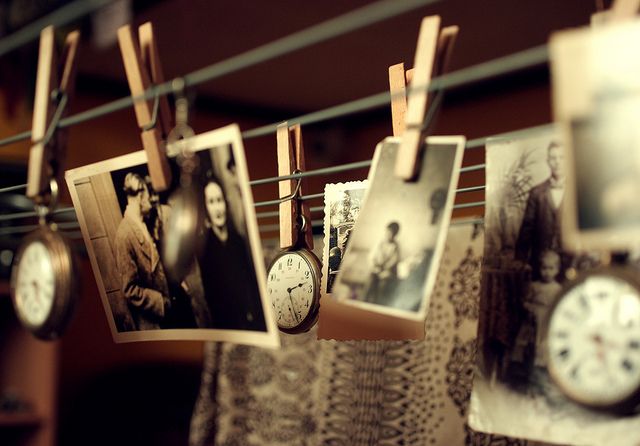
Nostalgia usually belongs to memory. We miss the songs we grew up hearing, the clothes we remember wearing or places from our childhood. Gen Z's nostalgia is different. Much of what it romanticises comes from a past it knows through parents, old photographs, films, music and pop culture. Perhaps that distance is part of the appeal. The past arrives without its inconveniences. What remains is the atmosphere—the grain of an old photograph, the sound of a classic song, a grandmother's jewellery or the visual drama of an old Bollywood film. It isn't necessarily the past itself that Gen Z is chasing. It is the feeling attached to it.
When Bollywood Becomes a Fashion Archive
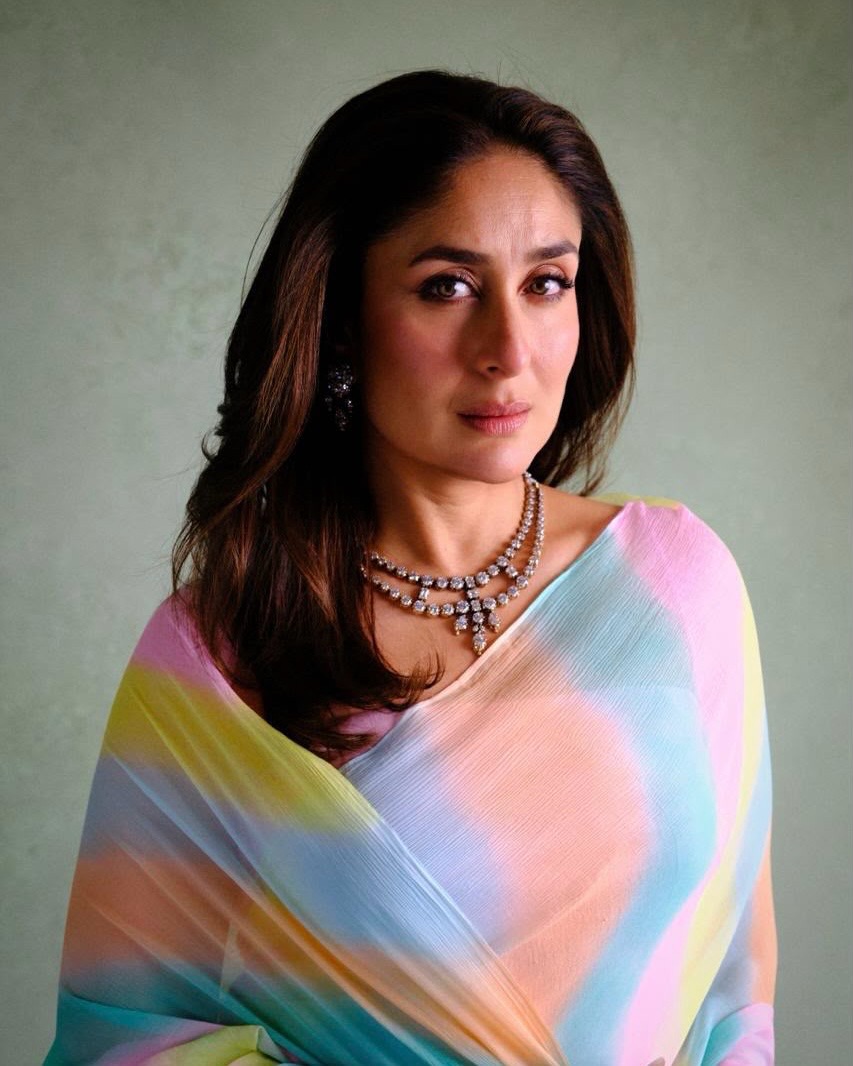
Few things have preserved India's visual memory quite like Bollywood. Old films are increasingly being rediscovered not just for their stories but also for their clothes, jewellery, hairstyles and distinctive visual language. Vintage silhouettes are being paired with contemporary styling. Old jewellery is finding its way into new wardrobes.
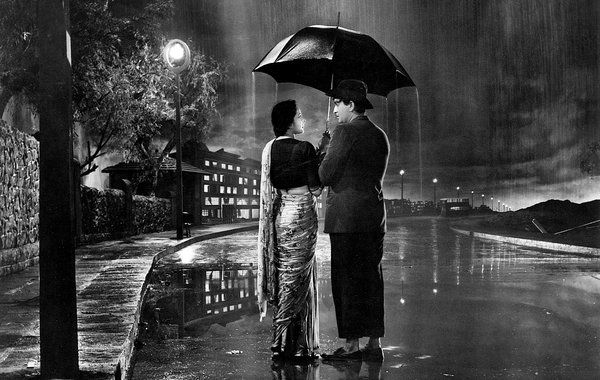
Classic songs are being rediscovered through streaming platforms and social media. TMM has already explored this musical revival in From Vinyl to Viral, looking at how classic melodies are finding a younger audience. The appeal may be partly musical, but it is also emotional. Older songs and images seem to offer something that today's endlessly scrolling culture often lacks: time to linger.
Why Everything Old Feels New Again
The nostalgia extends beyond fashion and entertainment. Film cameras, handwritten notes, physical books, vinyl records and handmade objects have all found renewed appeal among young people. There is an obvious irony here: much of this rediscovery happens through Instagram, Pinterest and other digital platforms.
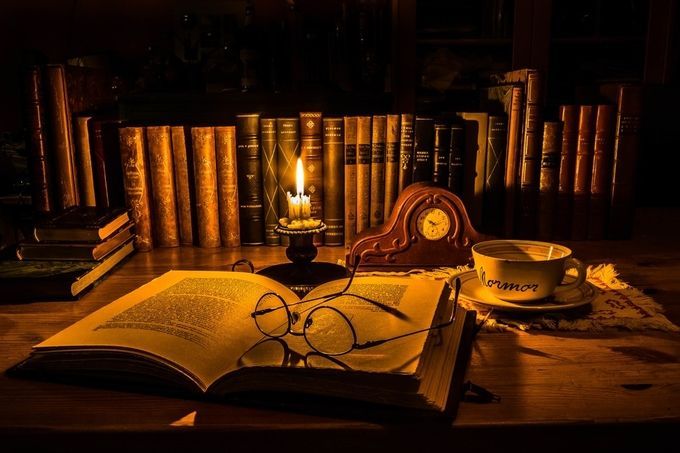
Yet perhaps that contradiction explains the fascination.
In a world where photographs can be edited instantly and trends disappear within days, things that feel tactile and imperfect can seem more meaningful. A scratched record or an old photograph carries evidence of having existed before it became content. Gen Z isn't necessarily rejecting technology. It may simply be searching for something more human within it.
The Past, Rewritten
Of course, nostalgia can romanticise. India being celebrated online is often a carefully selected version of the past—the music, the clothes, the warmth of family photographs—without the social restrictions and inequalities that also shaped those decades.
So perhaps Gen Z isn't trying to bring the past back. It is choosing what deserves to come forward. An old song can live on a new playlist. A traditional craft can become contemporary fashion. A vintage silhouette can be styled in an entirely new way. Maybe that is why this nostalgia feels less like going backwards and more like reclaiming something we thought we had outgrown. Perhaps Gen Z isn't falling in love with the past itself. Perhaps it is falling in love with the idea of a life that felt less disposable.