A low-waste kitchen does not mean giving up convenience or cooking elaborate meals from scratch every day. It simply means being more mindful of what you buy, how you store it and what you do with the food that is left behind. With a few small habits, you can reduce food waste, save money and make your kitchen more sustainable without making your routine complicated.
Food waste is a bigger issue than most of us realise. According to the Food and Agriculture Organization (FAO), roughly one-third of all food produced for human consumption is lost or wasted globally, amounting to about 1.3 billion tonnes every year. While much of this happens across the food supply chain, our homes and daily choices also play an important role. The good news is that a low-waste kitchen starts with simple, practical changes.
Start With a Kitchen Inventory
Before planning your meals or making a grocery list, take a few minutes to check what you already have. Look through your refrigerator, freezer, and pantry for vegetables, grains, spices, packaged food, and leftovers that need to be used soon.
This simple habit prevents you from buying duplicates and helps you plan meals around ingredients that are already in your kitchen. The United States Environmental Protection Agency (EPA) recommends checking your fridge, freezer, and pantry before shopping and making a weekly list based on the meals you actually plan to cook.
You can also keep a small “use first” basket or shelf in your refrigerator. Place items that are close to their expiry date or need to be eaten soon in this space, so they do not get forgotten at the back.
Plan Meals Around What You Have
Meal planning does not have to mean preparing seven detailed recipes for the week. Even a basic plan, such as deciding what you will cook for dinner on three or four days, can make a big difference.
Build your meals around ingredients that need to be used first. For example, if you have spinach, use it in a sabzi, dal or pasta. If you have leftover rice, turn it into fried rice or a khichdi the next day. Vegetable peels, stems and trimmings can also be used in soups, stocks or chutneys instead of going straight into the bin.
The EPA suggests repurposing extra ingredients into soups, stir-fries, sauces, baked goods or smoothies, and using vegetable trimmings for stocks and sauces.
Shop With a List
Impulse buying is one of the easiest ways to end up with food you never use. Before heading to the store or ordering groceries online, make a list based on your meal plan and the number of meals you will actually cook at home.
Avoid buying large quantities of perishable items just because they are on offer. A bigger packet may seem economical, but it becomes wasteful if you cannot finish it before it spoils. Buy fresh produce in smaller amounts if you live alone or cook for a small household.
It also helps to shop after checking your kitchen rather than before. This ensures that your grocery list reflects what you genuinely need, not what looks appealing on a shelf.
Store Food the Right Way
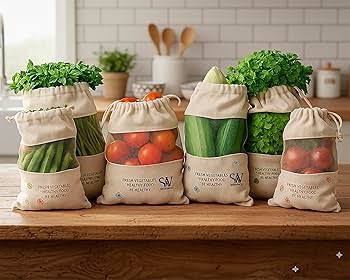
Good storage can extend the life of your food and reduce waste significantly. Keep leafy vegetables, carrots, cucumbers and broccoli in the refrigerator’s high-humidity drawer, while fruits and vegetables that tend to rot faster, such as mushrooms and peppers, do better in the low-humidity drawer.
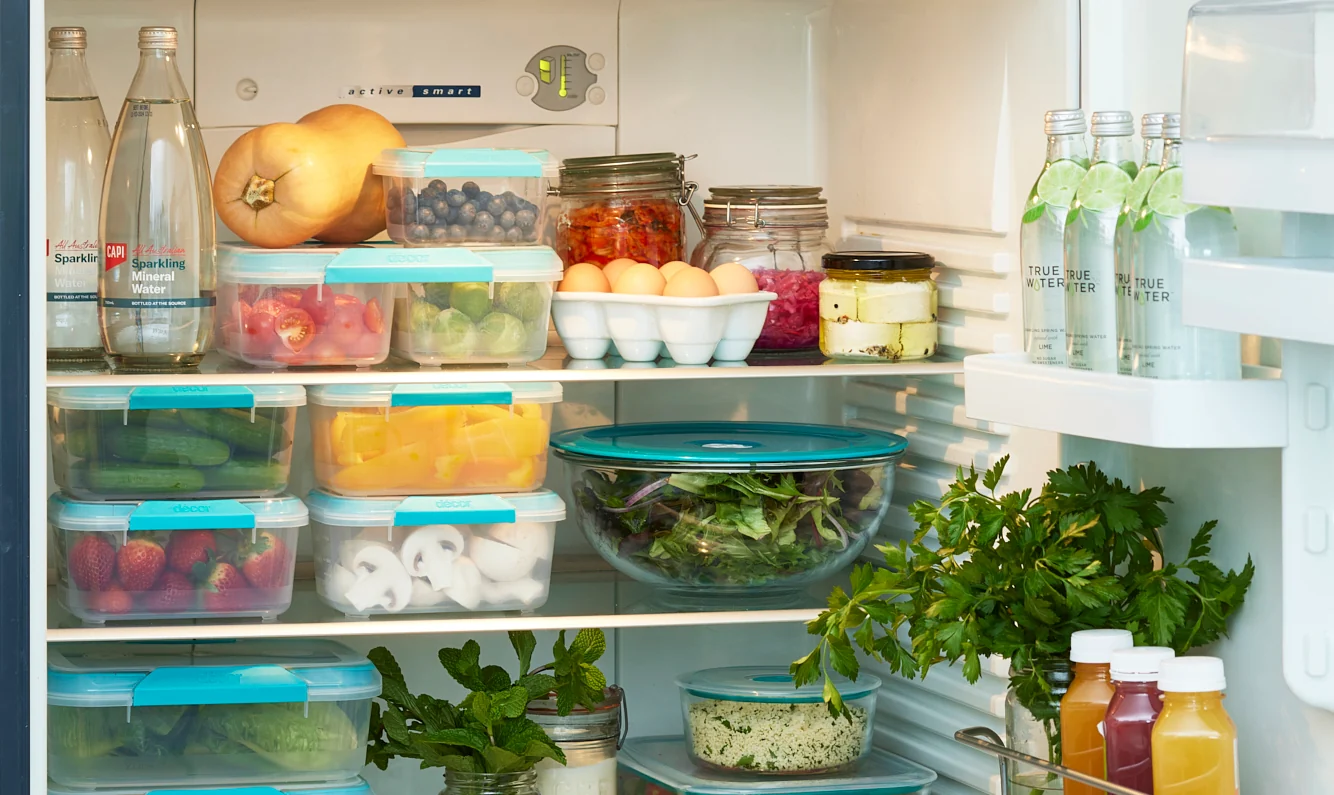
Some fruits, including bananas, apples, pears and avocados, release ethylene gas as they ripen. This can make nearby produce spoil faster, so store them separately when possible. Items such as potatoes, onions, garlic and winter squash should be kept in a cool, dry and well-ventilated place rather than in the refrigerator.
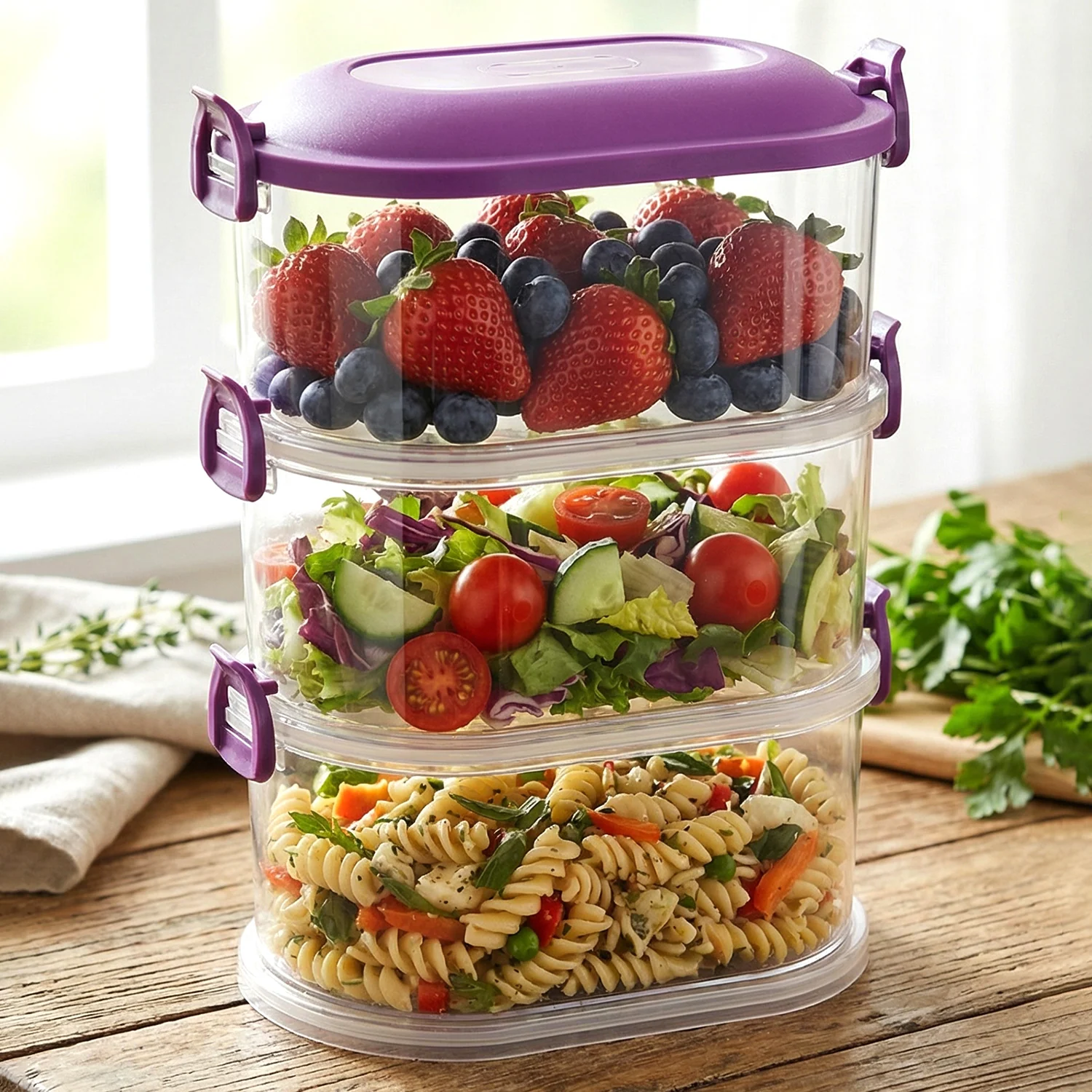
Use airtight containers for leftovers, chopped vegetables and partially used ingredients. Label them with the date if needed, so you know what should be eaten first. Also, avoid overpacking the fridge, as proper air circulation helps food stay fresh for longer.
Get Creative With Leftovers
Leftovers do not have to mean eating the same meal again the next day. With a little creativity, they can become something new.
Cooked rice can become fried rice or a tawa pulao. Extra dal can be turned into a soup or used as a base for a curry. Stale bread can be made into croutons, French toast or breadcrumbs. Overripe bananas work well in smoothies, pancakes or banana bread.
The idea is to see leftovers as ingredients, not waste. Keeping a few versatile recipes in mind, such as fried rice, soups, sandwiches or pasta, makes it easier to use up small quantities of food before they spoil.
Compost What You Cannot Use
Even with careful planning, some food scraps are unavoidable. Vegetable peels, eggshells, coffee grounds and fruit scraps can be composted instead of being thrown away with regular waste.
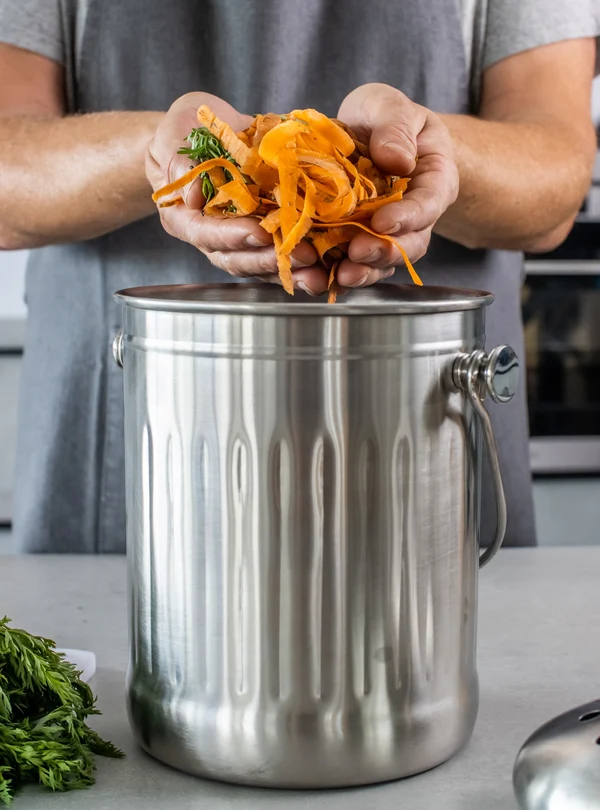
If you live in an apartment, a small balcony composter or a community composting programme can be a good starting point. If composting is not possible, check whether your local waste-management system separates wet and dry waste, as this can still help food scraps be processed more responsibly.
The EPA recommends composting food scraps rather than sending them to landfill.
Start Small and Stay Consistent
A low-waste kitchen is not about being perfect. It is about making better choices most of the time. Start with one or two habits, such as checking your fridge before shopping or using leftovers creatively, and build from there.
Over time, these small changes add up. You will waste less food, spend less on groceries and feel more in control of what goes into your kitchen. Most importantly, you will be making a choice that is better for both your home and the planet.