Be it in moments of joy or quietly humming to the old classics through a rough day, music holds a meaning we often cannot explain. Perhaps this is why music classics hit differently. It carries a certain stillness, a sense of depth that often feels missing today. The melodies linger a little longer; emotions feel a little fuller, as if the lyrics were crafted to reside in our hearts forever. In many ways, the music from the past has left behind a blueprint that continues to shape what we listen to today.
Melodies That Travel Through Time
These old melodies are timeless. These are carried through the memories of our parents and grandparents via tape recorders, cassettes, and the radio. Yet, these do not exist only in the past but quietly find their place in the present. Through music, bands, and films, these melodies are being reintroduced to a new audience—so they are familiar but feel different. Artists follow the original blueprint but experiment with structure, beats, and duration. So they adapt long compositions to short clips and curate those in accessible forms. So, the fragrance of old remains fitted in a new track custom-made for the new era.
Music Beyond Time: The Role of Bands
Music bands have played an important role in bringing timeless melodies to a new audience. For instance, Sanam: The Band has built a strong connection with listeners through their renditions of classic Bollywood songs. Rather than drastically altering the originals, they retain the emotion and simplicity that define them, allowing the songs to feel familiar yet fresh, not because they try to transform them completely but because they stay true to their emotion.

In doing so, they do not simply recreate music; they preserve it, while its soul remains untouched but reaches a new generation of listeners. Other artists and independent musicians have followed a similar path. Bands like The Local Train, known for their lyrical depth, and When Chai Met Toast, with their soft, melodic sound, reflect a similar inclination towards meaningful and expressive music. Even platforms like The Viral Fever have contributed to reviving simple, heartfelt compositions.
Cinema as a Bridge Between Generations
Films have also played a significant role in bringing these soulful melodies back to new audiences. They act as a bridge between generations, reintroducing familiar tunes in a way that feels relevant today. A recent example is Dhurandhar, where composer Shashwat Sachdev blends original compositions with elements inspired by older sounds, creating music that carries a sense of nostalgia while still feeling contemporary.
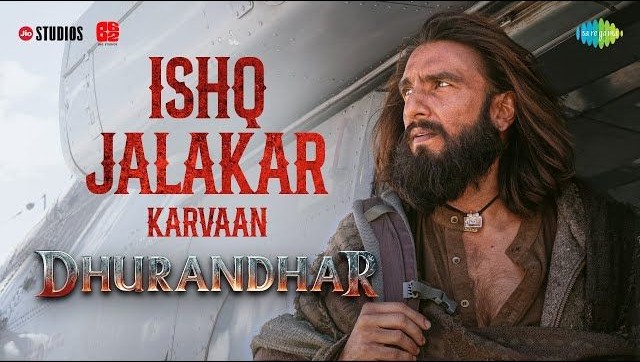
The title track features vocals by Hanumankind and Jasmine Sandlas, drawing from “Na Dil De Pardesi Nu” by Muhammad Sadiq and Ranjit Kaur, along with its later version, "Jogi", by Panjabi MC. “Ishq Jalakar—Karvaan" reimagines the classic qawwali from Barsaat Ki Raat, while “Run Down The City—Monica” echoes “Piya Tu Ab To Aaja” from Caravan. Even “Aari Aari” traces back to Bombay Rockers.
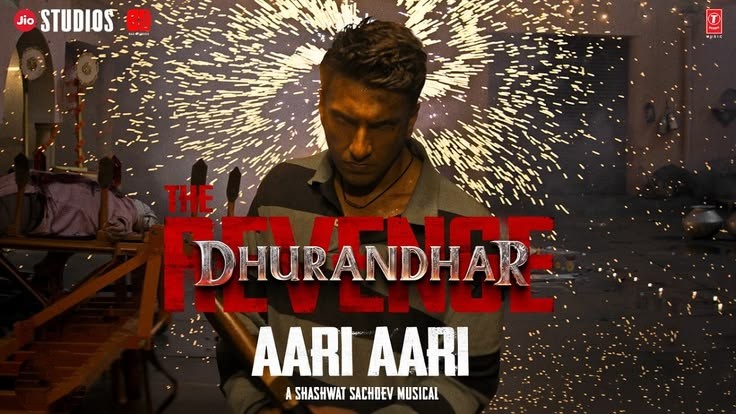
This influence is not limited to recreations alone. Songs like “Agar Tum Saath Ho” from Tamasha, “Kun Faya Kun” from Rockstar, and “Iktara” from Wake Up Sid carry the same emotional depth and simplicity that defined earlier melodies—unhurried, meaningful, and deeply felt.
From Cassettes to Clicks: Evolving Mediums
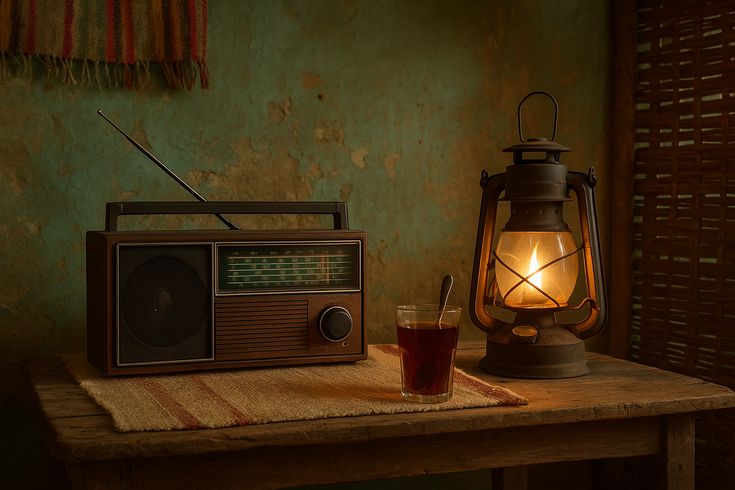
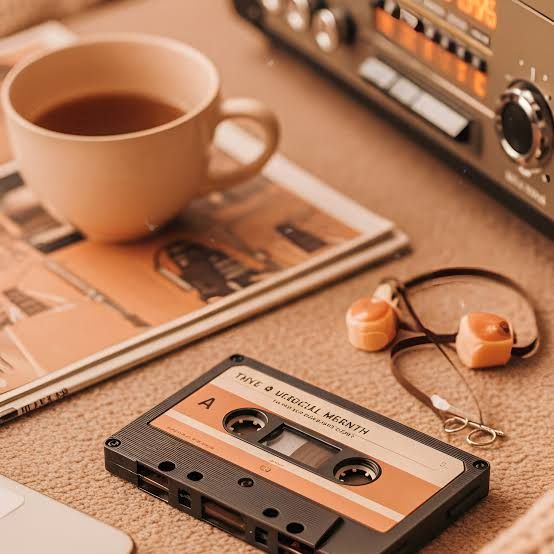
Even older media like radio, cassette players, and tape recorders continue to play a role in bringing classical music to newer audiences. Through retro playlists, radio shows, and digitised archives, songs that once lived on tapes and frequencies are now easily accessible across platforms. What was once limited to a particular time and format is now being rediscovered in new ways. In this transition, these mediums do not fade away—they evolve, helping timeless melodies find their place in a new generation.
Music That Stays
Music does not belong to a single era—it moves, evolves, and finds its way into new spaces. From films and bands to changing mediums, old melodies continue to reach new listeners, not by losing their essence, but by carrying it forward. Perhaps that is the true beauty of music—it does not fade with time; it stays, waiting to be rediscovered. And in that rediscovery, what once was becomes new again.
Image Courtesy: Pinterest