
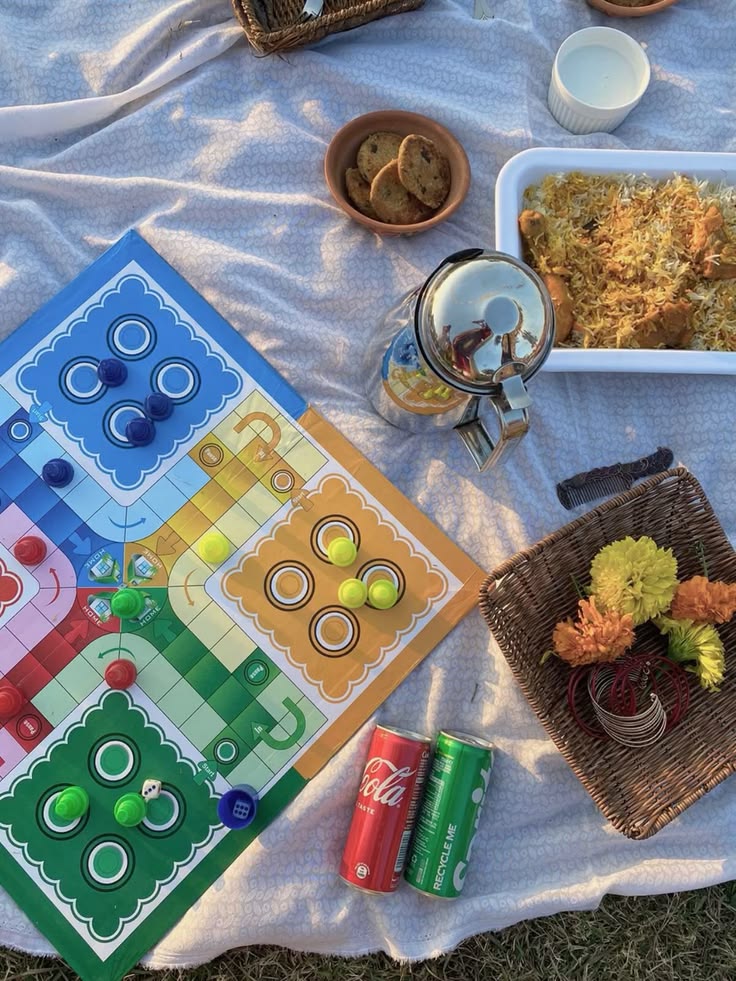
Ask anyone who grew up in an Indian city what a picnic meant, and the answer tends to arrive as a smell before it becomes a story. Hot oil, boiled potatoes, a plastic bottle left too long in the sun. It meant a Sunday, the whole family, a car packed past its limit or a bus and two scooters, and a patch of public grass that belonged to everybody else as well. Nobody called it an experience. It was simply what families did when the weather was decent and the house felt small.
The picnic is still very much around. It just looks different now, with matching mats and glass jars and someone crouching to get the angle right, and the differences turn out to be more interesting than they first appear.
The Bedsheet Problem
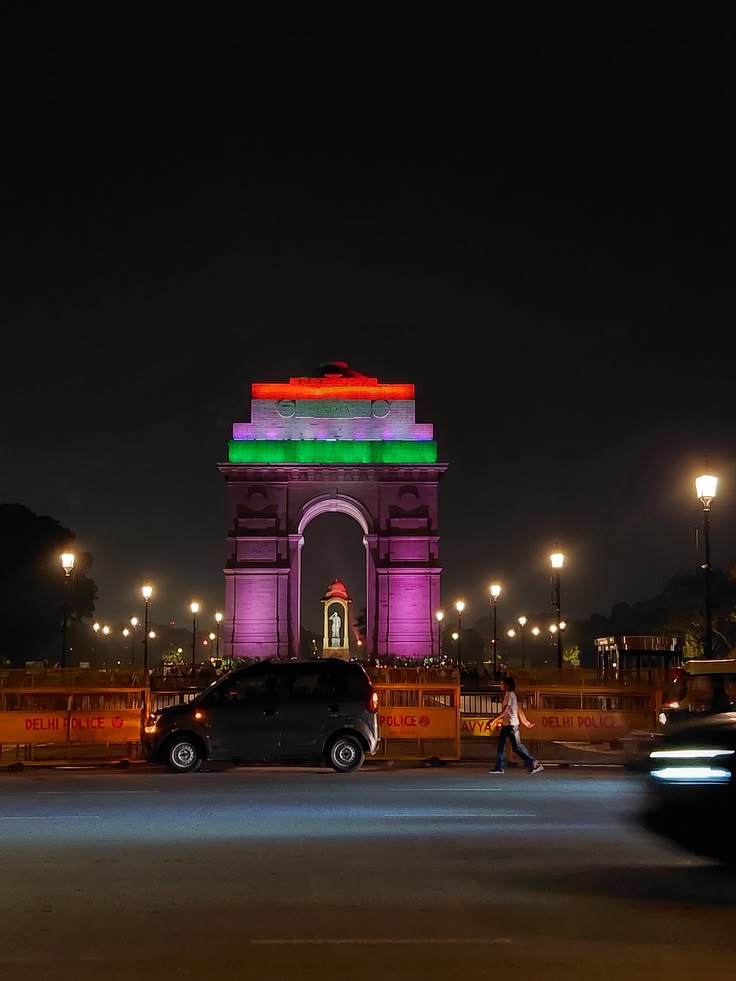
The bedsheet never stayed flat. It was usually a faded floral double-bed one, creased from years in the almirah, and at India Gate the wind got under it every single time. So it was weighed down with whatever was closest: a tiffin, a chappal, a younger brother. The father picked a spot under a tree. The mother said it was too close to the road. One uncle wanted shade, another wanted a clear view of the ice cream wala, and the grandmother had already sat down wherever she happened to be standing, which more or less settled it.
What Was in the Tiffins
The food never changed. Puris and aloo sabzi in a steel dabba tied shut with a rubber band, achaar that leaked a little into everything, parathas that were hot at six in the morning and by noon had gone soft and slightly sad. Nobody minded. Water came in an old Bisleri bottle refilled from the tap at home, and tasted faintly of the fridge. Someone always forgot the salt. Someone always brought far too much, because running out was the real embarrassment. Children ate in shifts, in between cricket with a bat nobody owned, and went home with grass on their knees and sticky Frooti faces.
There were photos too, but not many. One camera, one uncle in charge of it, one roll of 24 that had to last until Diwali. When the prints came back from the studio, half of them had a thumb in the corner or somebody blinking. They went into the album anyway.
The Cake With Flowers on It
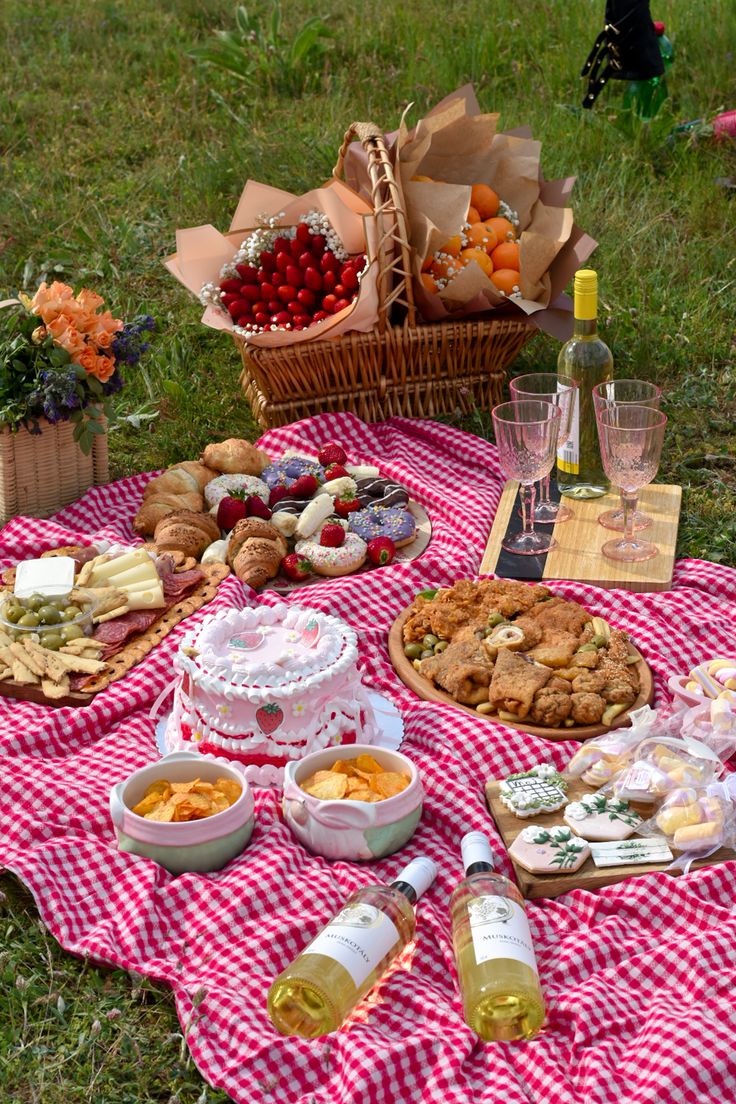
The Saturday picnic of today tends to arrive with a dress code. Pastels, says the invitation, linen if possible. There is a low table, a mat in a shade called sage, a wicker basket with almost nothing in it, a board of cheese and figs, and a cake with tiny dried flowers pressed into the icing. A disposable camera goes around the group like a talking stick. It looks lovely, and it is lovely. The food is good, the company is easy, and yes, somebody photographs the cake.
What Actually Changed
The difference is not only in the props. It starts much earlier. The old picnic was planned the way a household errand is planned: a decision on Saturday night, and a kitchen that ran on atta and potatoes until every tiffin was full. The new one is planned days ahead, usually in a group chat, with a colour scheme, a list of who is bringing what, and a weather app checked more often than anyone would admit. Shopping is part of it now. So is booking a spot, and timing the whole thing around golden hour, which has become a real deadline for anyone who wants good pictures.
The food has moved too. Home cooking, once the entire point, is now one option among many. A spread might be a board assembled from a gourmet store, a bakery box, cold brew in glass bottles. The crowd has changed as well. The extended family, with its three generations and unsolvable seating politics, has largely made way for friends of the same age, couples, or a small group gathered around an occasion, a birthday, a first date, a Sunday reset. Even the ground has been reworked. The bedsheet became a proper mat, and low tables and cushions lifted the whole arrangement a few inches off the grass.
And the person holding the camera is different. The uncle in charge of the roll of film has been replaced by everyone, all the time. Nothing is taken once. Pictures are taken, checked, retaken, and often posted before the food has gone cold. That may be the biggest shift of all. The old picnic ended when the family went home. The new one carries on for days, in comments and reposts and saved folders.
Two Afternoons at Once
What stands out is how much of everyone is somewhere else. Checking the light, turning the glasses so the labels face out. A picnic used to be an afternoon that was simply spent. Now it is also something put together, and it exists twice, once on the grass and once on the phone, and both need looking after.
Part of the reason is plain availability. A decent camera is in every pocket, so every moment is a possible picture, and pictures are made to be shared. Part of it is a shifting sense of what counts. An afternoon that leaves no trace can feel oddly unfinished, as though it might not quite have happened, and a little care with the styling marks it out from an ordinary Saturday. For people with packed weeks, a picnic has to earn its slot in the calendar, and making it beautiful is one way of saying it mattered.
That does not read as shallow. It seems to be how people hold on to things now, by making them look like something worth holding on to, and even a last-minute plan gets a little art direction first.
Who Gets Missed
So when the old picnics are missed, it is worth checking what exactly is being missed. The puris, sure. But it may be the nine-year-old on a crooked bedsheet with a sticky face, bored, hungry, completely there, with no idea what she looked like. Nobody was watching her, and she was not watching herself either.
Given an afternoon to go back, most people would bring the tiffin and the rubber band. And somewhere around the second puri, the phone would come out, just to catch the light on the bedsheet.