Walk into a specialty café in Mumbai, Bengaluru or Delhi today and you will spot it before you order. A jade-green latte, whisked to a froth, sits beside an oat milk cortado on the same counter. Matcha has moved from a niche health shelf to the centre of the menu board, and cafés everywhere are scrambling to keep pace with a demand nobody quite saw coming.
A Thousand Years in the Making
Matcha's story does not begin with a filter. It begins in Tang dynasty China, where tea leaves were steamed, pressed into bricks and later ground into powder. The practice travelled to Japan in the late twelfth century, carried back by the Zen monk Eisai. There, tea masters such as Murata Juko and later Sen no Rikyu shaped it into chanoyu, the tea ceremony built around harmony, respect, purity and tranquility. Farmers in Uji, near Kyoto, later found that shading tea plants before harvest deepened their chlorophyll and amino acid content, giving matcha its vivid green colour and umami flavour—a technique that remains the gold standard nearly six centuries on.
Why Gen Z Fell for a Centuries-Old Tea
For a generation raised on cold brew, matcha offers a caffeine hit without the crash. The reason is L-theanine, an amino acid found almost exclusively in tea, which appears to slow how the body absorbs caffeine. Nutritionists often note that this pairing produces a steadier, calmer alertness than coffee's sharper spike and dip, while adding that both drinks have a place in a balanced diet. Marketed as 'clean caffeine,' matcha has resonated with younger, wellness-minded consumers drawn to mindful rituals over quick fixes, fitting neatly into a culture where a morning drink is expected to say something about a lifestyle, not just deliver energy.
The Instagram Effect
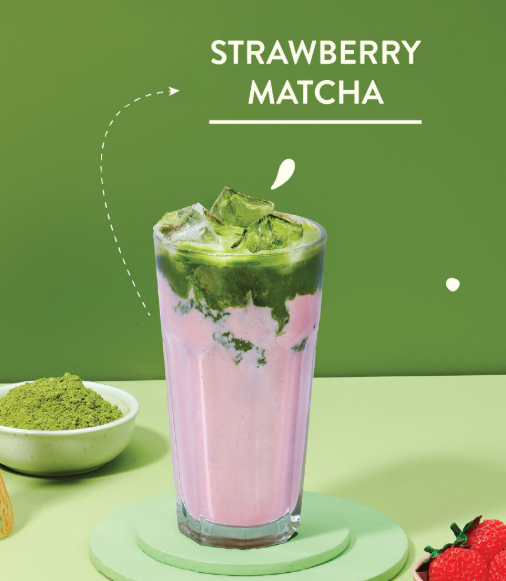
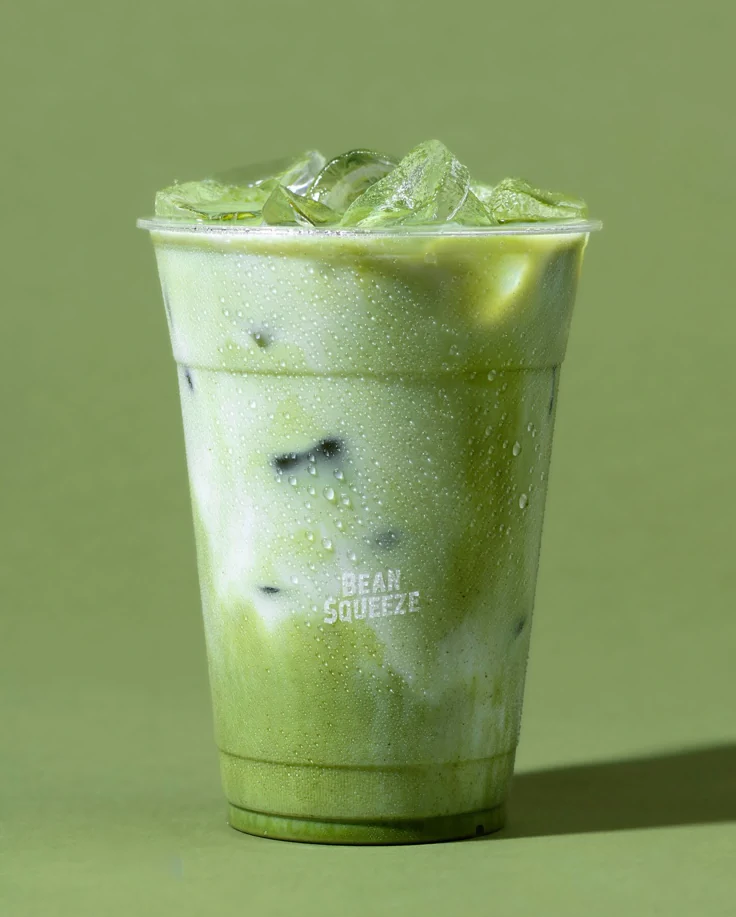
It would be dishonest to discuss matcha's rise without its colour. That saturated green photographs beautifully against white ceramic, and it has proven irresistible across Instagram, Pinterest and TikTok. Café owners will readily say a striking matcha latte does more for footfall than a page of tasting notes. The drink has become shorthand for a slow-living aesthetic, a whisk and bowl on a sunlit counter, a takeaway cup against a café mural. Social media did not invent matcha's appeal, but it dramatically accelerated it, turning a quiet ceremonial tea into a global phenomenon within a few short years.
Healthier Than Coffee? The Science, Honestly
Matcha's health claims deserve a fair reading, not a marketing one. Because it is consumed as whole ground leaf rather than steeped and discarded, it delivers a fuller dose of catechins, particularly EGCG, an antioxidant polyphenol, in meaningfully higher concentrations than brewed green tea. Its caffeine and theanine together support focus without the jitters some feel with coffee. Coffee, in turn, is no villain. It carries its own beneficial antioxidants, chlorogenic acids, and moderate intake has been linked to metabolic and cognitive benefits. Researchers studying both drinks are candid that far more science exists on coffee than on matcha, and that neither is categorically superior. Matcha suits sustained, calmer focus; coffee, a quicker, stronger jolt. The healthiest cup, either way, is the one without excess sugar or syrup.
From Ceremonial Bowl to Café Menu
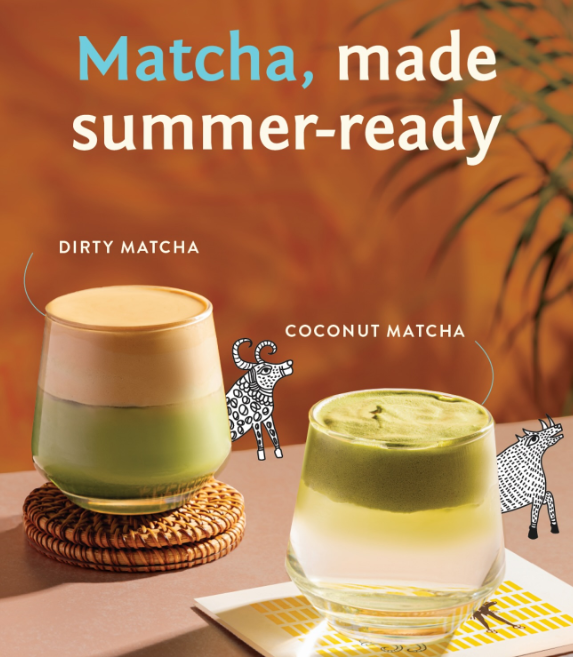
A single ritualised preparation has splintered into an entire menu category: iced matcha lattes, hojicha-matcha blends, matcha cold foam, matcha tonic, matcha affogato, even savoury pairings in desserts. Starbucks helped popularise the matcha latte in India at scale, while homegrown chains built entire lines around it. Blue Tokai, long known for single-estate coffee, now serves matcha lattes and fruit-forward matcha coolers made with ceremonial-grade powder across its Delhi NCR, Mumbai, Bengaluru and Pune outlets. Third Wave Coffee's iced matcha latte has become one of its most reliable non-coffee orders among younger, health-conscious customers. Bubble tea brand Got Tea has folded matcha into its own Korean-inspired menu, while TGL Co. sells stone-ground Japanese matcha powder directly to home consumers, positioning it as an everyday ritual rather than an occasional indulgence.
Premium Tea Culture, and a Shortage Nobody Predicted
Matcha's rise has fuelled a broader appetite for specialty tea culture in India, running parallel to its specialty coffee boom, with dedicated matcha and Japanese-inspired cafés opening in Mumbai, Gurugram and Bengaluru, some preparing it traditionally with a bamboo whisk, or chasen. Globally, heritage houses like Ippodo Tea, trading since 1717, have become reference points for authenticity even as demand outstrips supply. Tencha bushes take about five years after planting to yield a harvest, and Japan's ageing farmer base has not kept pace with a demand spike industry reports call unprecedented. Kyoto tencha prices rose roughly 70 percent between 2024 and 2025 by some measures, premium suppliers including Ippodo and Marukyu Koyamaen introduced purchase limits, and online scalping soon followed. Cafés sourcing genuine Japanese matcha, including several in India that advertise ceremonial-grade sourcing, have had to absorb higher costs, part of why a matcha latte can now cost as much as a specialty coffee.
The Home Matcha Ritual
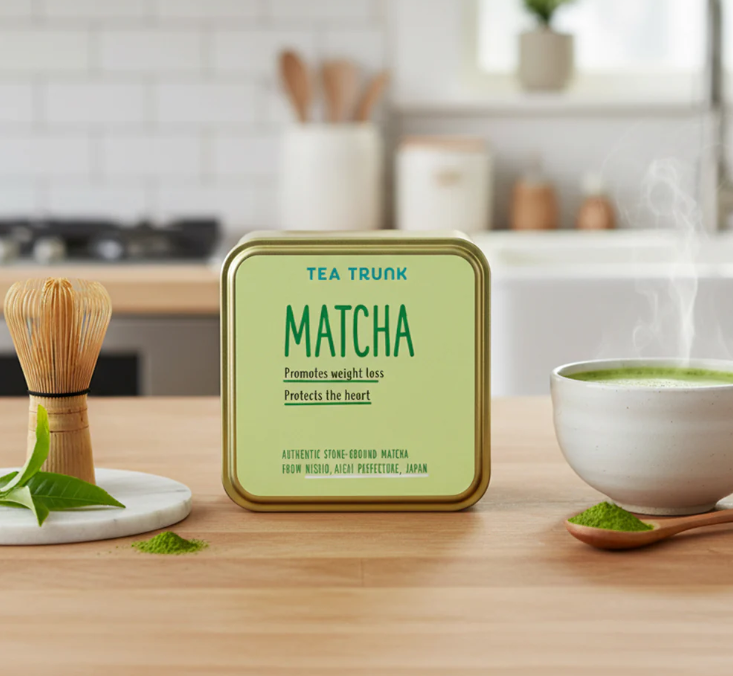
Alongside the café boom, a quieter trend has taken hold at home. Matcha starter kits—whisk, bowl, sifter and tin included—have become popular gifting and self-care purchases, sold by everything from Japanese specialists to homegrown Indian labels like Tea Trunk, while brands such as TGL Co. supply the ceremonial-grade powder that anchors many of these home rituals. For many buyers, the appeal lies less in the caffeine than in the unhurried minutes of whisking, a small counter-ritual in a day otherwise spent on screens, echoing the tea ceremony's original promise of mindfulness, repackaged for a smartphone generation.
Trend or Lasting Shift?
Fads fade once the novelty wears off. Matcha looks sturdier, anchored in genuine culinary history rather than invented hype, with cafés having built real infrastructure, menus, training, and supply relationships around it. The current shortage may even work in its favour, lending the drink scarcity and craft rather than mass-market disposability. Coffee is not going anywhere, nor should it. But matcha has earned a permanent seat at the café counter, not as coffee's replacement, but as its calmer, greener companion.