
Music is not just a combination of rhyming words but an expression of emotions that are often difficult to express in speech. A powerful song does not merely describe a plight; it resonates with the listener, stirs reflection, and touches the heart. Very few artists have been able to achieve such feats, and many of them belong to the golden era of Bollywood music. It was a time when film music was still developing, shaped by giants like Mohammed Rafi, Lata Mangeshkar, Kishore Kumar, Asha Bhosle, and many more. This article explores the lives and legacies of the voices that helped define what is now known as the golden era of Hindi film music.
Lata Mangeshkar
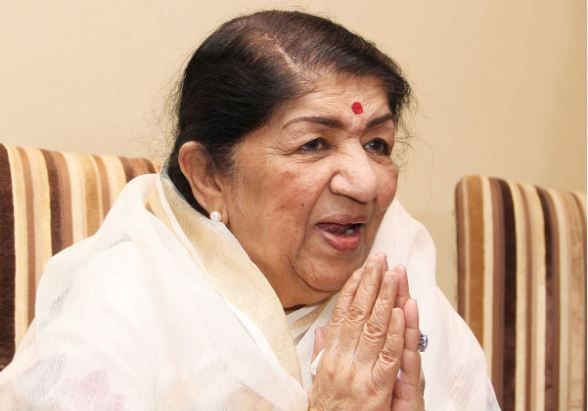
The voice of Lata Mangeshkar was not confined to any single era. Her legacy connects generations, from songs picturizing Nargis in the 1950s to Madhuri Dixit in the 1990s and even later stars. She proved her excellence through songs that brought listeners to tears and left them in deep emotional reflection. She began her career at a very young age after her father’s death and initially worked in films before finding her true calling as a playback singer. Her first major hit was “Uthaye Ja Unke Sitam” in Andaz (1949), and she later gave her unforgettable performance in “Ae Mere Watan Ke Logon” (1963), which moved Prime Minister Jawaharlal Nehru to tears. Her career spanned eight decades, and she recorded songs for more than 2,000 Indian films. She was honored with many awards, including the Padma Bhushan, the Dadasaheb Phalke Award, and the Bharat Ratna.
Mohammed Rafi
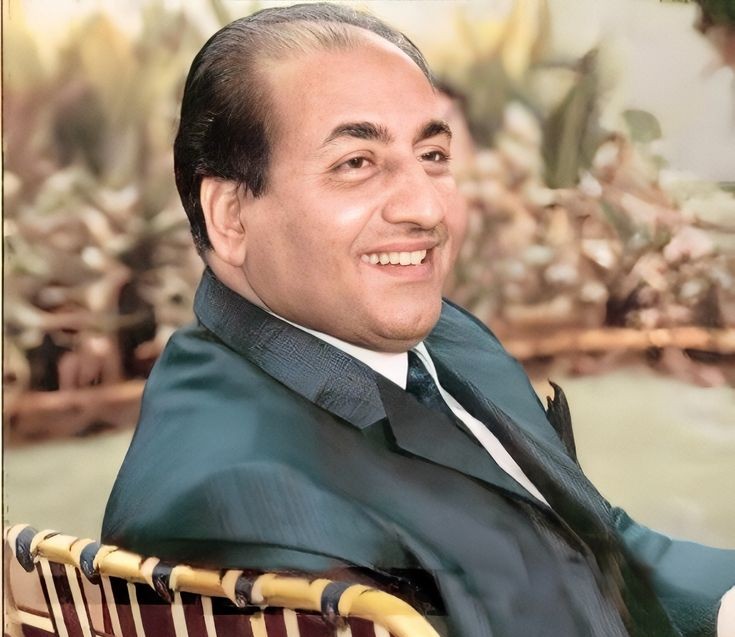
One of the pioneers of Bollywood music, Mohammed Rafi recorded more than 25,000 film songs in a career spanning almost 40 years. He was known for his remarkable ability to adapt his voice to suit different actors and characters. His versatility can be seen in the wide range of songs he sang, whether ghazals, qawwalis, romantic numbers, or patriotic songs. He excelled in every genre and delivered masterpieces in each one. He also gave memorable duets with contemporaries like Lata Mangeshkar and Asha Bhosle, creating timeless songs that are still loved today. His contributions earned him major honours, including the Padma Shri, a National Film Award for “Kya Hua Tera Wada", and six Filmfare Awards.
Kishore Kumar
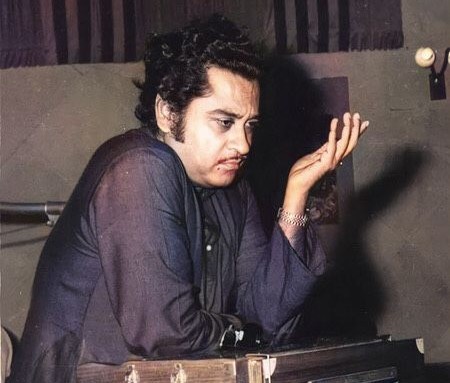
Kishore Kumar was a singer, actor, and director who worked in several films and also sang in them. He began his journey as an actor in Shikari (1946) and later became known for his expressive screen presence and unique voice. Even without formal music training, he carved a distinct place for himself in Indian music through his natural style, comic timing, and emotional delivery. In a career spanning nearly four decades, he recorded more than 2,500 songs in several Indian languages. His duets with Lata Mangeshkar and Asha Bhosle produced many timeless songs that are still remembered and enjoyed today. Whether the song was romantic, comic, or expressive, he had the ability to move listeners through his voice.
Asha Bhosle
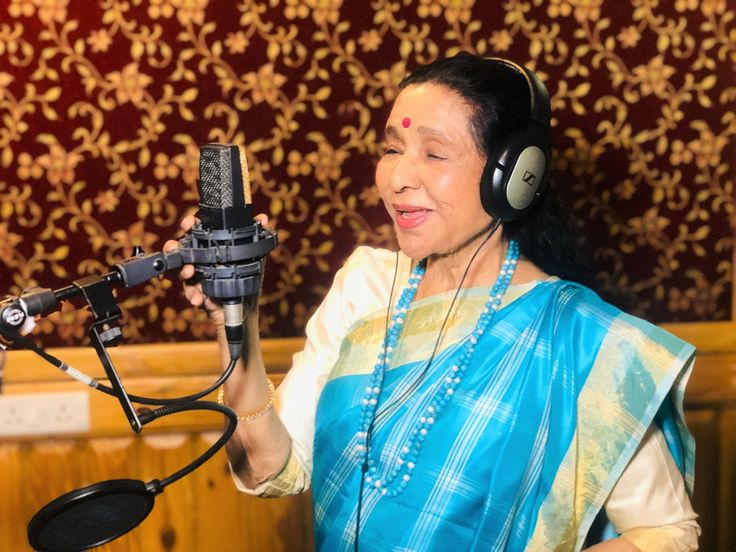
Asha Bhosle remained one of the most versatile singers in Indian music. Her range covered everything from the energetic “Piya Tu Ab To Aaja” to the soulful depth of “Dil Cheez Kya Hai,” proving her ability to perform in many different styles. Her later songs also showed how well she adapted to changing musical tastes across generations. Her breakthrough came with songs like “Ude Jab Jab Zulfein Teri", after which she recorded more than 12,000 songs in 20 Indian languages over eight decades. She became the first recipient of the Filmfare Award for Best Female Playback Singer and later received major honours such as the Dadasaheb Phalke Award and the Padma Vibhushan.
Mukesh Chand Mathur
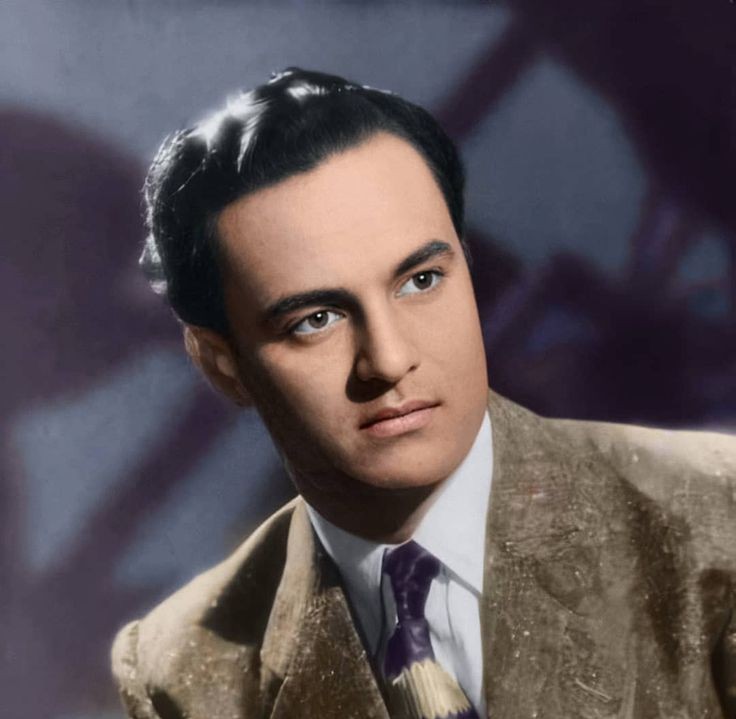
Mukesh was one of the most soulful voices of the golden era, known for singing the feelings of the common man with rare simplicity and depth. His voice carried pain, longing, and honesty in a way that made every song deeply relatable. He became especially famous for songs that suited Raj Kapoor on screen, and his emotional singing gave Hindi film music a softer, more reflective tone. His songs continue to live on because they do not just sound beautiful; they feel personal and human. Mukesh remains one of the most respected playback singers of Indian cinema, remembered for turning simple emotions into unforgettable melodies.
Final Thought
The golden era of Bollywood music was more than a period of beautiful songs; it was the time when voices became emotion, and music became memory. Lata Mangeshkar, Mohammed Rafi, Kishore Kumar, Asha Bhosle, and Mukesh did not just sing for films; they gave shape to love, sorrow, joy, hope, and longing in a way that still touches listeners today. Their voices crossed generations and continue to define what timeless music sounds like. Even after decades, the golden era remains alive because these legends made Indian music not only heard but also deeply felt.