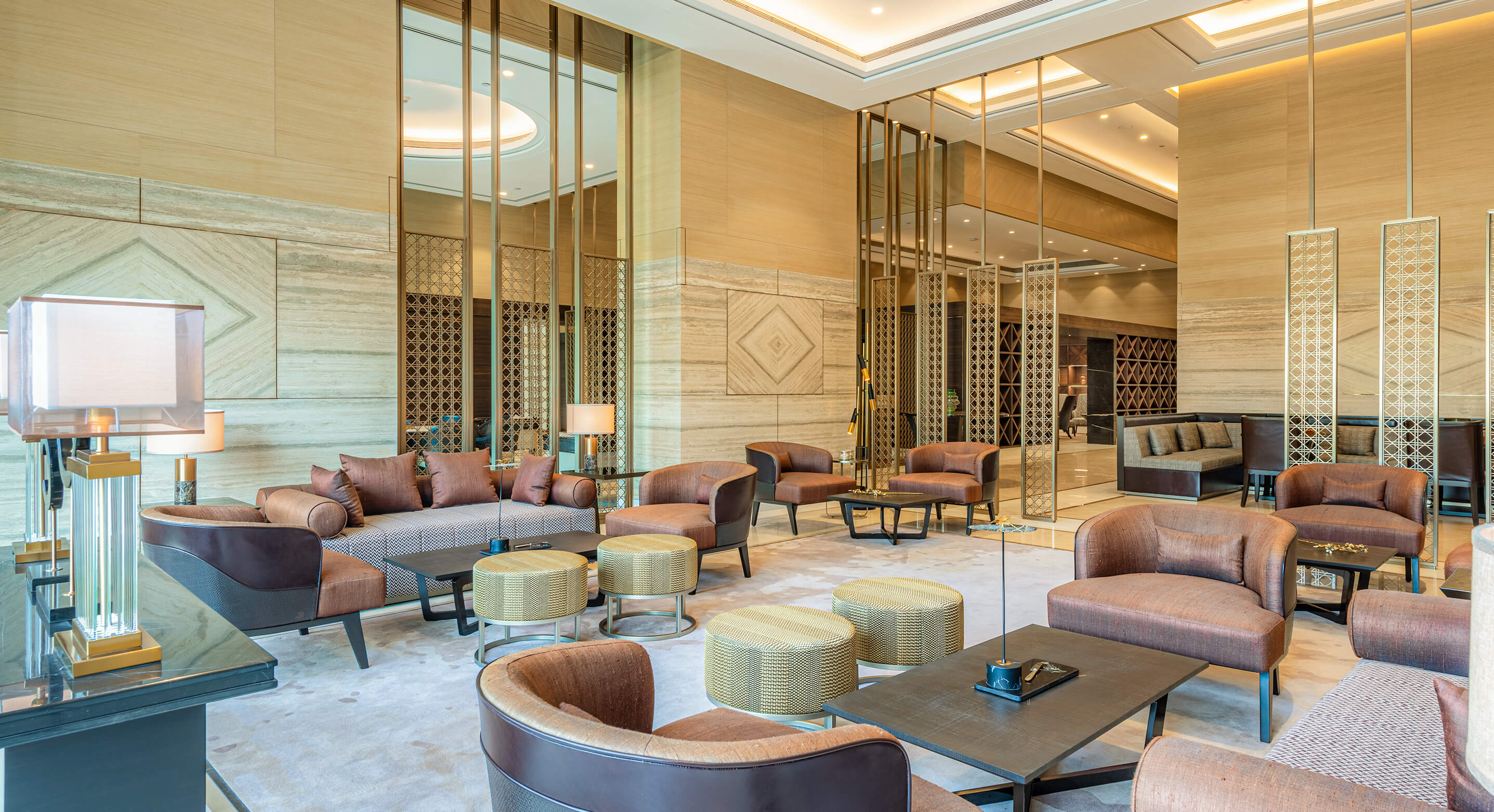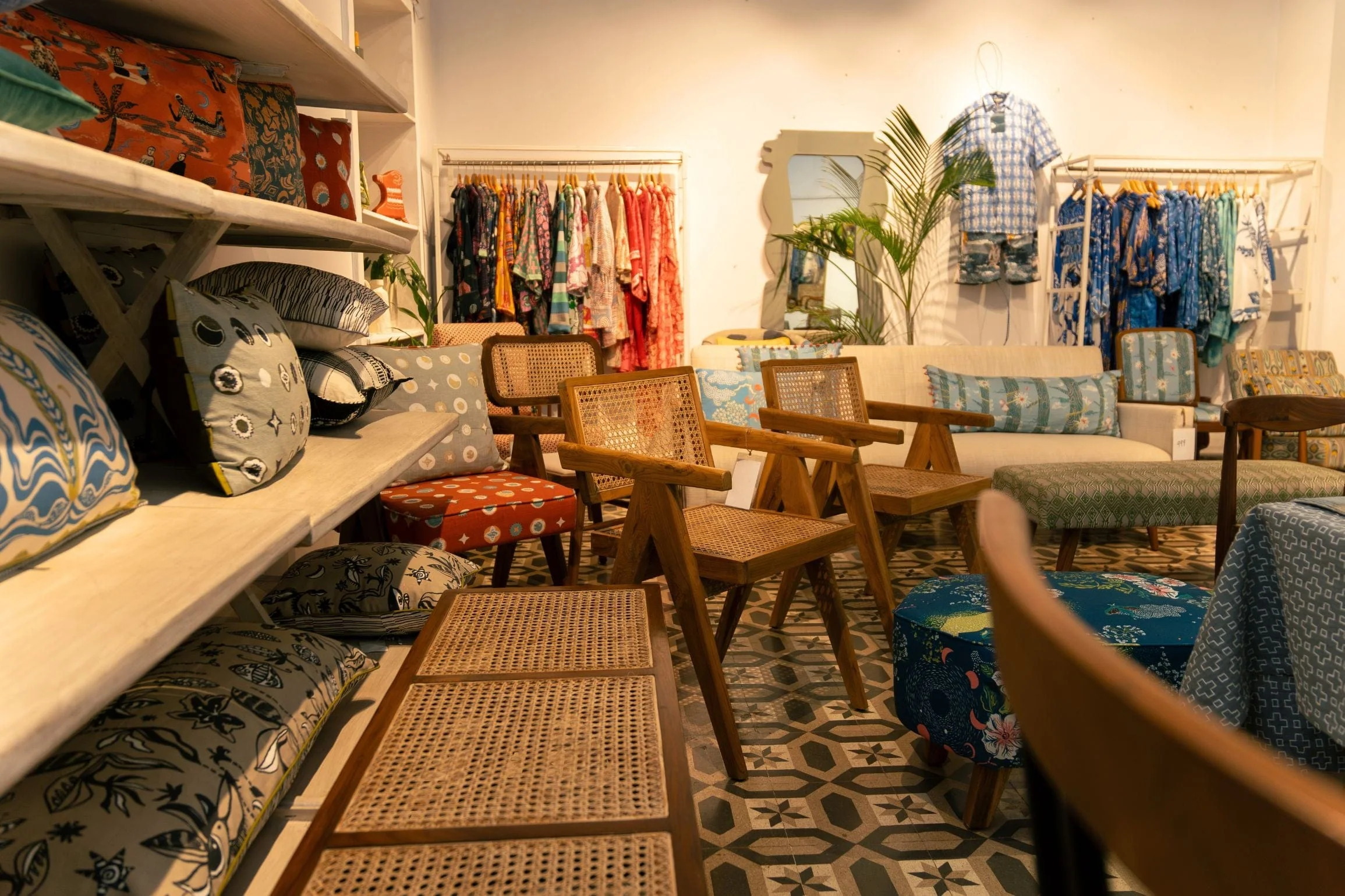
A home is a place that reminds us of ourselves. The patina of a chair, strokes on a wall, and brushstrokes in a painting combine to create a space that feels personal rather than merely aesthetic. For a very long time, these choices have been undermined and replaced by perfect minimalism. A shiny wall, a concrete floor, and a space that can be compared to nothing have ruled the home in the name of aesthetics for quite some time. As if we do not make and create houses for living anymore. The pursuit of serenity has taken the wrong route and directs us toward a path that makes us feel alienated rather than calm.
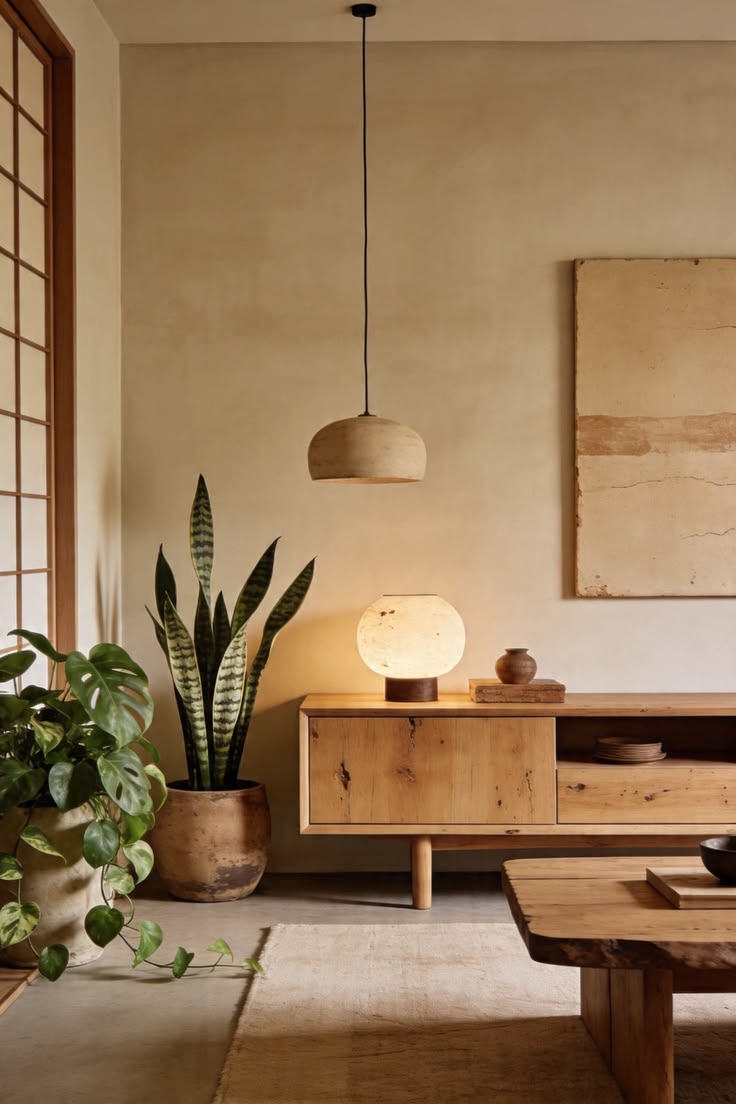
But the trend has changed course. The desire to create a space where everything holds a certain value and tells a story, rather than simply pleasing the eye, has taken root among designers and homeowners. They emphasise irregularity over symmetry, warmth in place of anxious spaces, and colours that connect rather than isolate.
Wabi-sabi: The philosophy that trends are drawing from
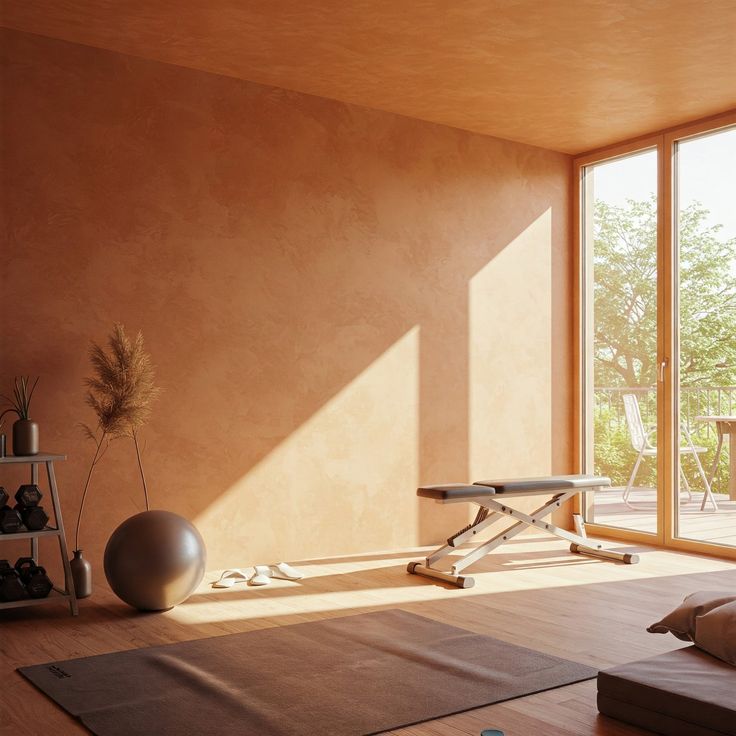
The philosophy of wabi-sabi is rooted in Zen Buddhism and has been practised since the 16th century. It does not mean unfinished or neglected; its purpose is to promote choices that reveal making, stories, and time. Earlier, when we sought only the surface beauty of things, this philosophy asked us to embrace inner strength. A worn leather surface can become a biography, or the patina of antique brass a journal, and this philosophy asks you to stop reading these as flaws and start reading them as features.
Why is this change happening?
The digital saturation
Everyday scrolling on digital platforms brings us into a picture-perfect world. Although it is not real, indulging in it can make us feel impersonal, leaving the home as the only space where we can still look for reality. Rough textures, irregular glazes, and the thumbprint on the base of a ceramic are the kinds of details capable of achieving this connection. All of this embraces the imperfection that Wabi-sabi suggests and brings us to homes that feel warm, organic, and deeply human.
Mental wellness and grounded interiors
Our home plays an important role in our mental health. From the colour of the walls to the texture of the furniture, every aspect can influence our behaviour in one way or another. For instance, it is widely believed that cold spaces induce anxiety among people, whereas a bright colour palette, weathered furniture, and natural materials stimulate the mind, keeping both body and senses alive while uplifting the mood.
Sustainability and the anti-disposable instinct
The handmade object is, by definition, not disposable. Choosing a hand-thrown pot over a factory-made piece is an act of commitment — you are buying something that will age into something better. Handmade elements are now celebrated as signs of quality rather than quaintness, reflecting a clear push toward slower, more meaningful design philosophies.
The textures, finishes, and objects that define the look
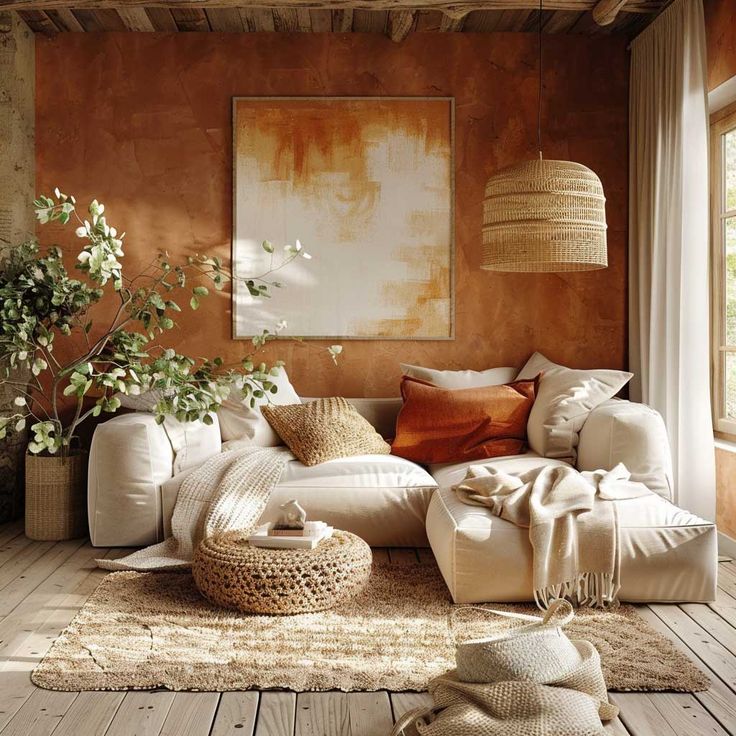
The visual and tactile language of the flawed home is built from specific materials and choices. Here is how they break down:
Wall surfaces
Limewash paint, clay plaster, micro-cement, and tadelakt (Moroccan waterproof plaster) catch light differently throughout the day, giving walls a sense of movement.
Ceramics and objects
Hand-thrown pots with thumb marks, irregular glazes, and organic asymmetry. Brush marks on ceramic surfaces are treated as marks of quality, not errors.
Art and wall work
Visible brushstrokes, layered oil paintings, and heavily textured canvas. Abstract pieces in earthy, muted tones invite the eye to slow down rather than scan.
Wood and stone
Reclaimed timber, live-edge slabs, and honed, not polished, stone. Grain, knots, and natural variation are features to display, not sand away.
Metals
Unlacquered “living” brass that patinates over time. Brushed and raw finishes are preferred over chrome or high gloss.
Textiles
Linen, wrinkled by design, rough-woven cotton, and jute. The wrinkle is not a defect — it is part of the aesthetic.
Final thought
Choosing home interiors is an activity that feels very personal. Every piece of furniture, every space, and every colour holds a deeper meaning. Creating such an interior while holding onto minimalism narrows the choices and excludes many options. Therefore, an inclination toward Wabi-sabi gives us the freedom to choose something deeper and more natural that reflects who we are, and its beauty is enhanced with the passing of time.