Stare long enough at a woman, and she stops flinching—she starts staring back.
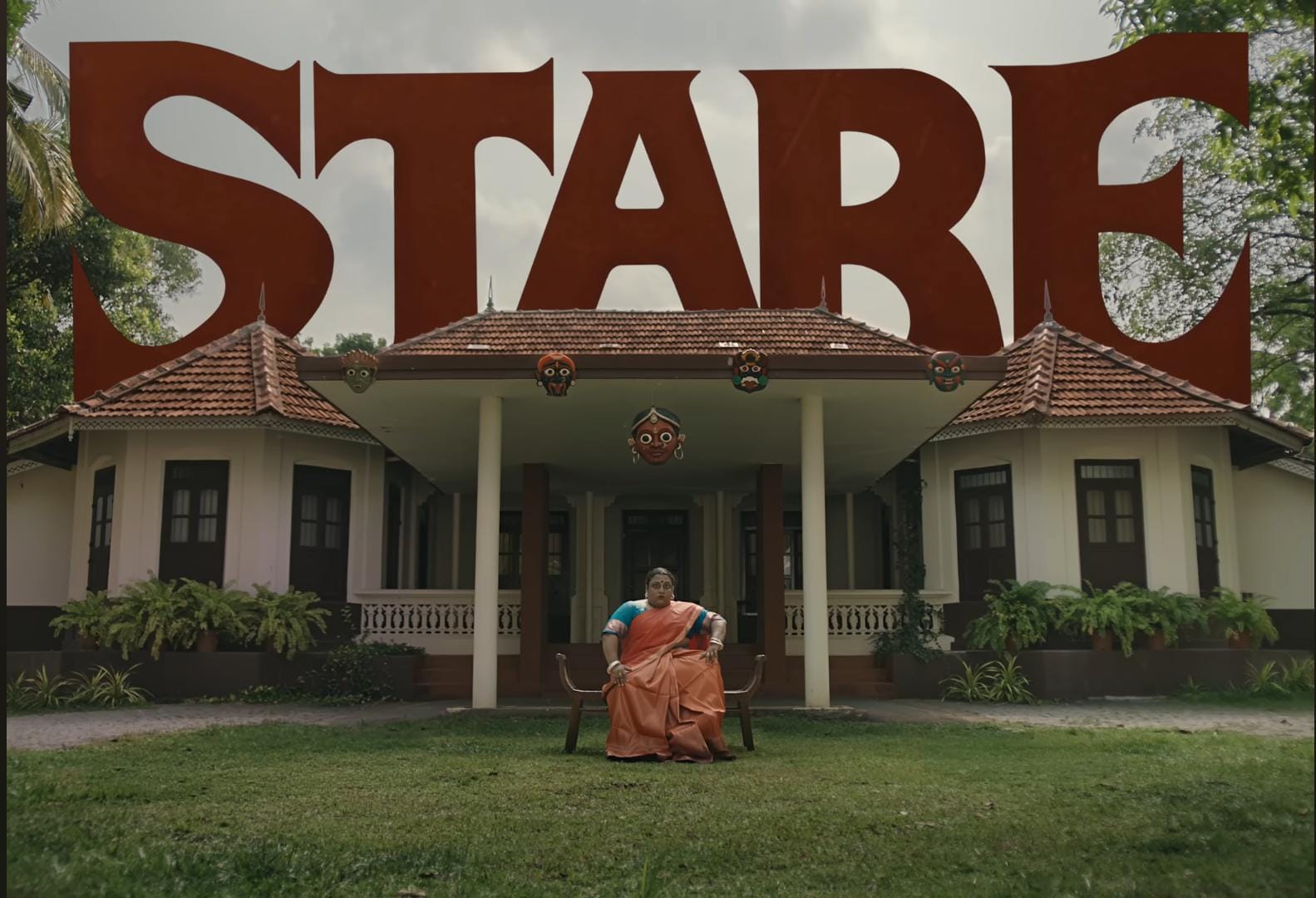
That's the exact provocation Bhavya Ramesh Jewelry stages in the opening frame of its latest campaign, Stare. A woman holds the camera's lens not with discomfort but with total authority. She is no longer the subject of the gaze; she owns it.
The Story Behind Stare
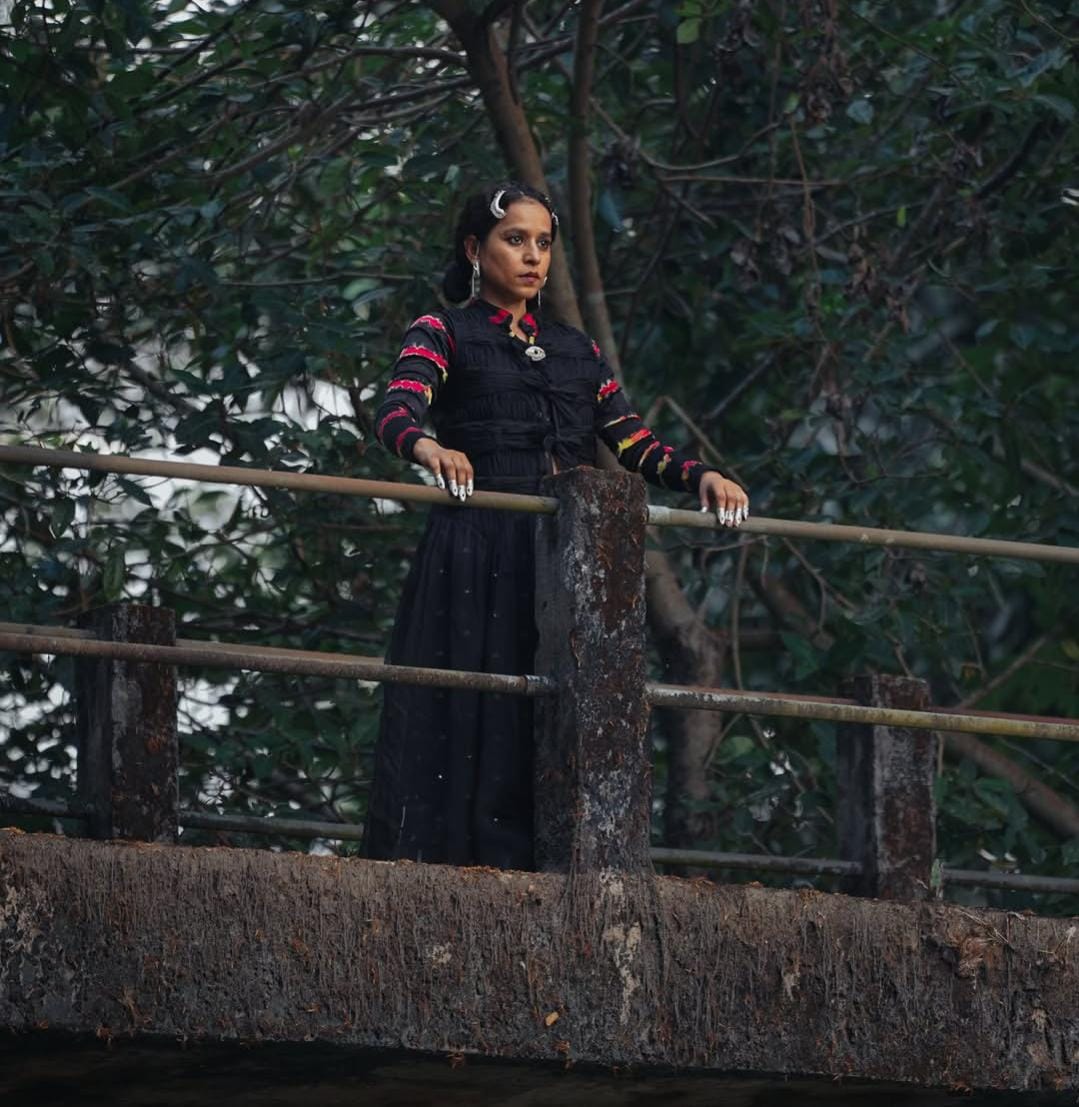
Bhavya Ramesh Jewelry has long carved its own niche in the Indian design landscape, transforming traditional silverware into bold, bohemian statements of self-expression. Rooted in tribal motifs, raw aesthetics, and a fluid, gender-inclusive philosophy, the brand designs pieces that intentionally dismantle traditional gender constructs—creating wearable art meant for every body, free from conventional limits.
With Stare, that belief becomes a bold way to push back against traditional culture. To bring this vision to life, director Bijoy Shetty crafts a hauntingly immersive narrative. Shot in Kerala and anchored by powerhouse performances from Tillotama Shome and Karthika Nair, the campaign channels art, culture, fashion and feminism into a single, cohesive frame. The thirteen-piece collection turns a social norm of discomfort into power.
Talismans of Defiance
In Indian folklore, an eclipse is traditionally considered a period when women should stay hidden and protect themselves from bad omens. Stare subverts this age-old narrative entirely. Here, women don't hide. They rage.
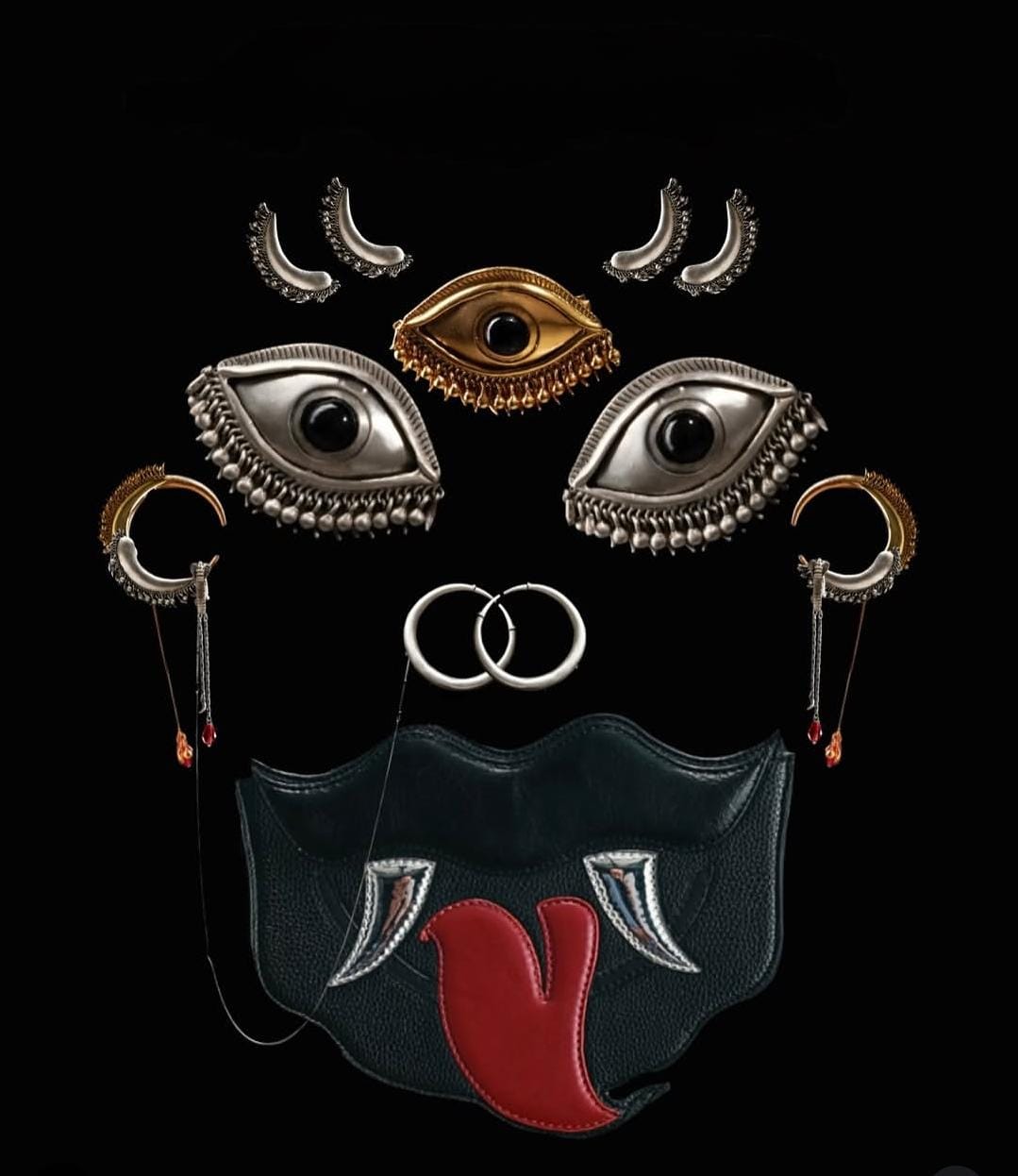
Every creation in the collection carries its own voice within the campaign's visual story. The Gaze Hair Clips, intricately shaped like watching eyes, line the back of a woman’s braid as she navigates a dimly lit forest—facing outward so she never has to look over her shoulder. Framing her silhouette, the sculpted Tusk Ear Clips and Omen Earrings curve like protective horns, transforming delicate ears into shields of defiance.
As movement builds through the film, the Ghungroo Socks replace passive traditional anklets with a deliberate, audible rhythm—a declaration of presence rather than subtle ornamentation. Resting heavily at the collar, the mixed-metal Protect Choker and the sharp Ward Earrings mirror the coiled posture of the Viper Earrings, giving the wearer an air of quiet danger. Even when primal emotion peaks during the campaign’s rawest moments, the Keeper Bag—sculpted like a fanged guardian mask—makes the central premise unmistakable: this fierce presence was never intended as a threat. It was always a defence.
The Woman They Called a Chudail
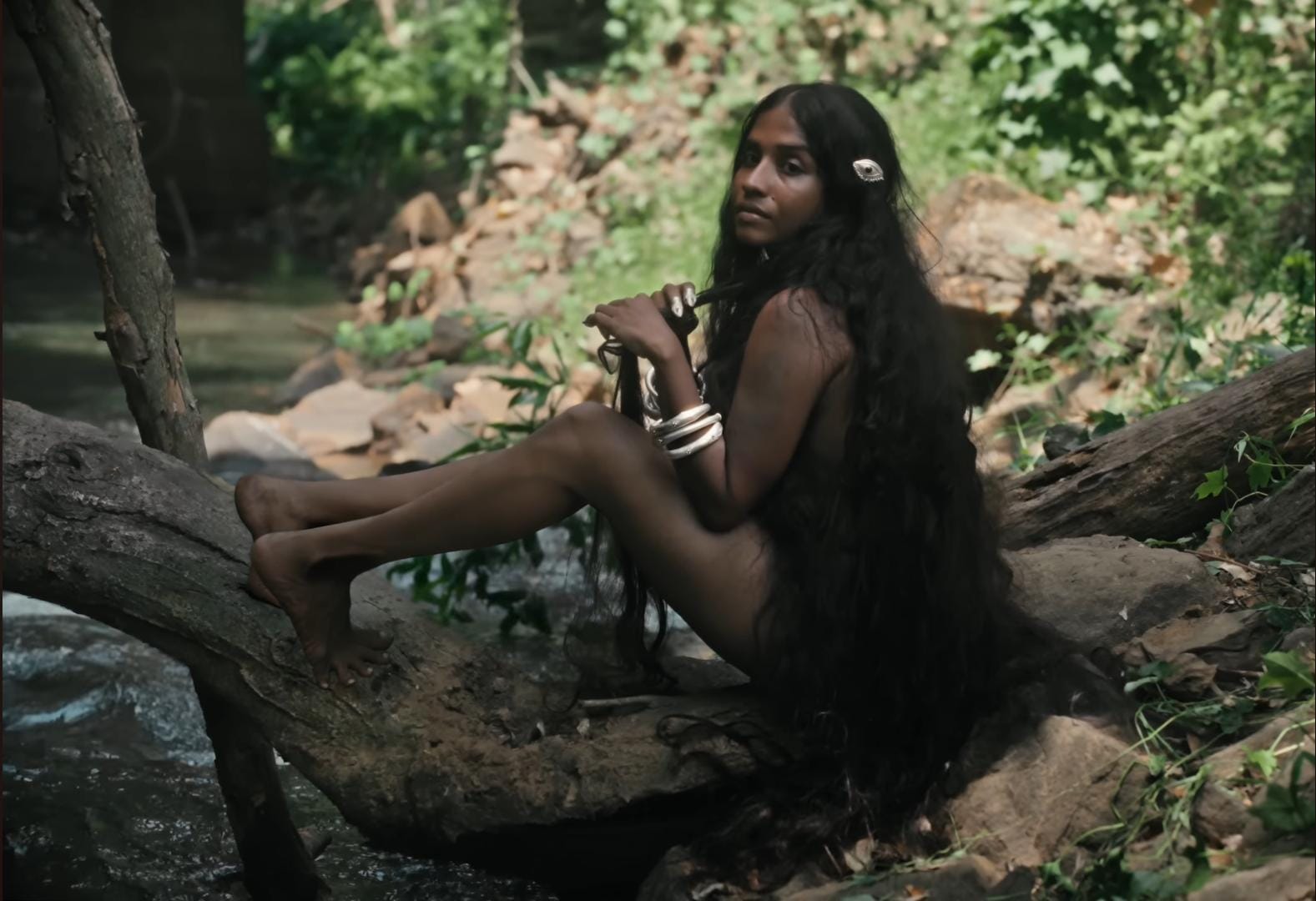
The film's final image is its quietest and its sharpest. A woman hums to herself, calm, unbothered, entirely at peace. Then the camera pulls back. Her feet are turned backward, twisted the way folklore describes a chudail —the vengeful female spirit of Indian legend, feared across generations of bedtime warnings and cautionary tales. But there is nothing to fear here. She isn't raging. She isn't dangerous. She's just humming.
That contradiction is the point. In myth, a chudail is monstrous long before she does anything monstrous— she is punished for existing outside the shape a woman is expected to take. Bijoy Shetty's closing shot seems to ask a quieter, more unsettling question: what if the fear was never about her at all? What if it was always about the gaze that couldn't look at a woman who wasn't afraid, and so decided to be afraid of her instead.
Why Stare Works
Jewellery advertising in India has run on one script for decades: the bride, the gold, the tearful farewell. Stare refuses all of it. There's no wedding, no soft-focus admiration, no woman waiting to be adorned by someone else. Every symbol in this collection—the eye, the snake, the fang—was traditionally something worn for protection from the world's gaze. Bhavya Ramesh and NorBlack NorWhite flip that logic entirely: here, protection isn't given to a woman. She arms herself with it.
That's ultimately what makes Stare more than a jewellery ad. It doesn't ask you to admire the woman on screen. It asks you to sit with the discomfort of being the one who's watching and to reckon with every story we've ever told about women who dared to stare back.