“The Internet is a game we all play to set high scores in our bank accounts.”
A single statement, yet layered with meaning, Samay Raina pushes us to actually sit with it, to look beyond what’s visible on the surface. Known for his effortless humour and sharp delivery, Samay was at the peak of his career last year with India’s Got Latent. It took one controversy for his journey to come crashing down – or at least, that’s how it appeared from the outside.
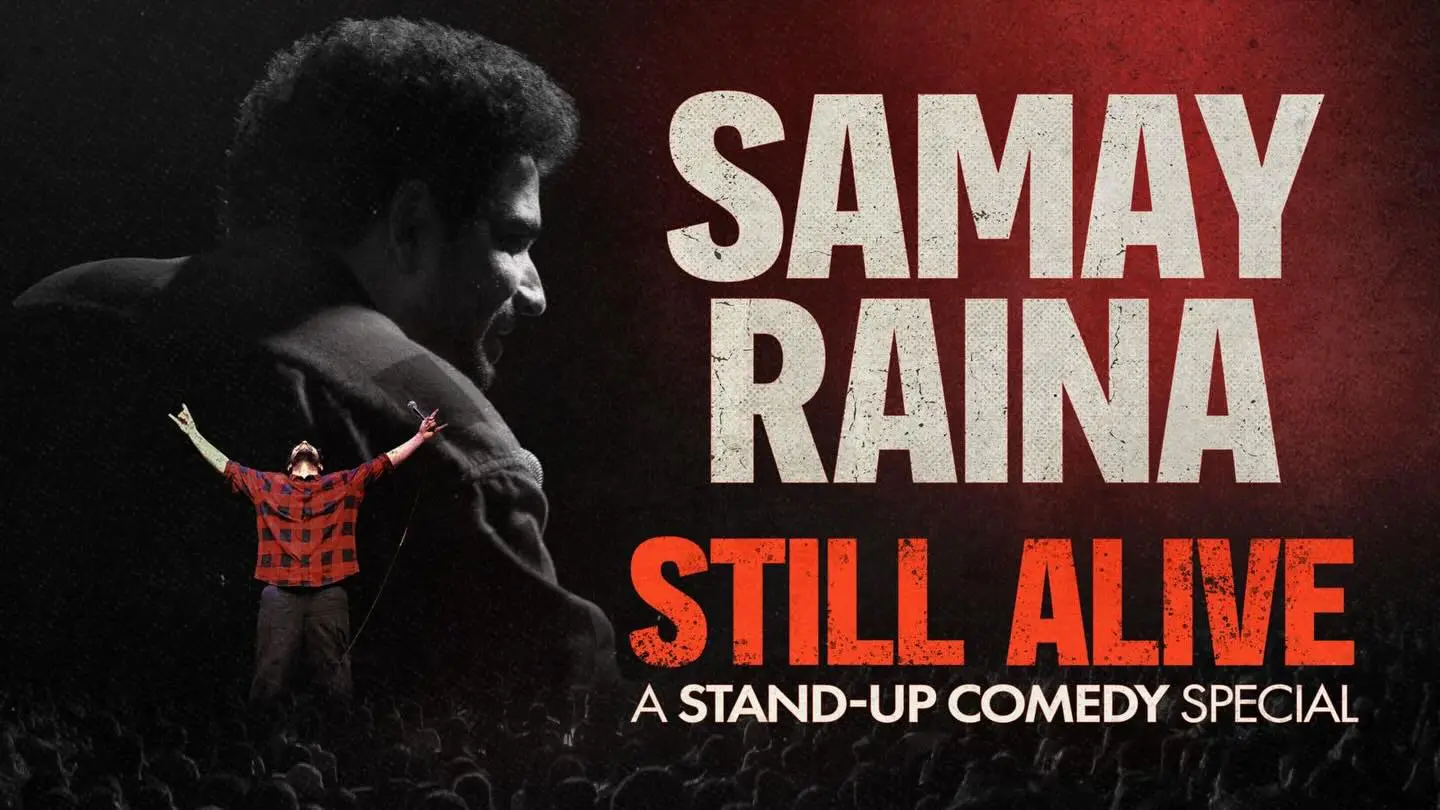
Because the truth is, it was never that simple. Through his latest episode, Samay Raina: Still Alive, he finally shares his side of the story. This time, it is beyond comedy—brutally honest, more reflective, and far more personal.
The Controversy that Changed Everything
February 2025 marked a turning point for Samay. His life changed almost overnight. During the last episode of India’s Got Latent, featuring Ranveer Allahbadia, famously known as Beer Biceps, a controversial joke was made—one that didn’t seem as serious at first as it would later become.
At the time, Samay’s logic felt simple: if people didn’t like the content, they could simply choose not to watch it. Stop consuming, stop engaging. A straightforward idea. But the situation escalated far beyond that initial moment. The backlash intensified, and the consequences turned severe not just for him but for his family as well. And suddenly, this wasn’t just about a joke anymore.
The Story Behind the Man
The episode begins to feel more real when we understand where he comes from. Samay’s parents had to leave their home in Kashmir just a year after he was born due to political conflict. A new place, new people, a new beginning. He was enrolled in a reputed school, his father working tirelessly to give him the best education possible. But the reality inside those walls was far from ideal. He was bullied for looking different.
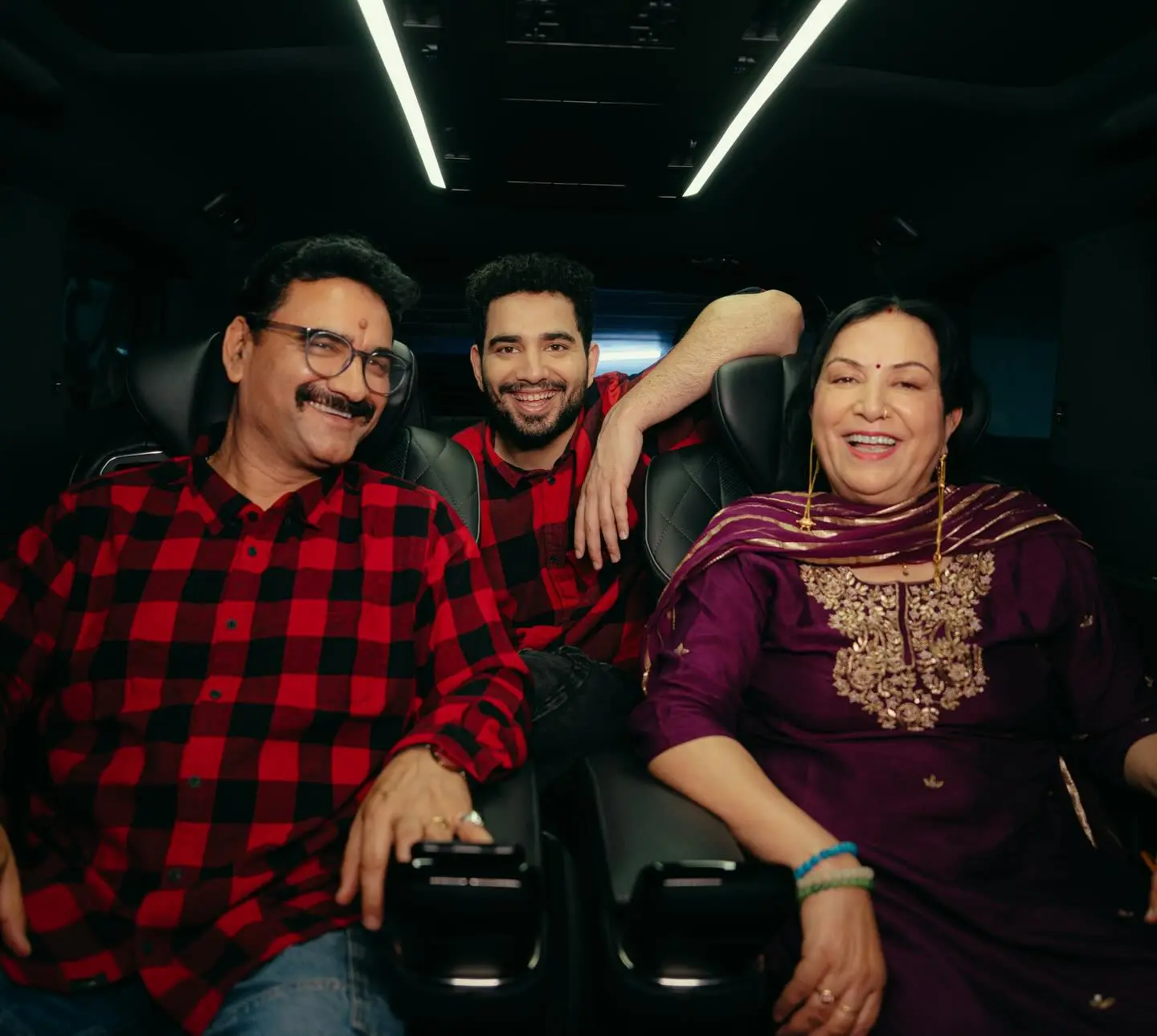
And it brings forward an uncomfortable truth that we often isolate those who don’t resemble the majority, those who don’t “fit in". Samay carried this quietly. He never told his father, not wanting to break the dream he had worked so hard to build. He didn’t tell his mother either, knowing it would only worry her.
So, like many of us, he chose silence over sharing his real emotions—storing everything inside and pretending to be OKAY.
The Performance Behind the Persona
Samay reiterates his idea—the internet is performative. The people we look up to are often playing a version of themselves. Not entirely false, but not entirely real either. He built his identity on speaking the uncomfortable truth. He crossed lines others avoided. He even acknowledges losing a significant portion of his female audience after making jokes about abortion—something he admits he may never recover from. And that, he accepts, is the responsibility of being a performer.
What audiences see is only a fraction. The actual episodes would stretch for hours, with Samay carefully editing them down to a “clean” one-hour version. Behind the scenes, he checked in on fellow performers, making sure they were okay.
And somewhere within all of this, he touches on something deeper: that men often don’t know how to express emotions. They don’t know how to comfort, or even how to be vulnerable. Yet, beneath the humour, those conversations were always there—just hidden well enough to be missed.
Mental Health, Backlash, and Breaking Points
Samay also opened up about his mental health. He was seeing a therapist and was diagnosed with anxiety—an attempt to understand himself and break emotional patterns he had long carried.
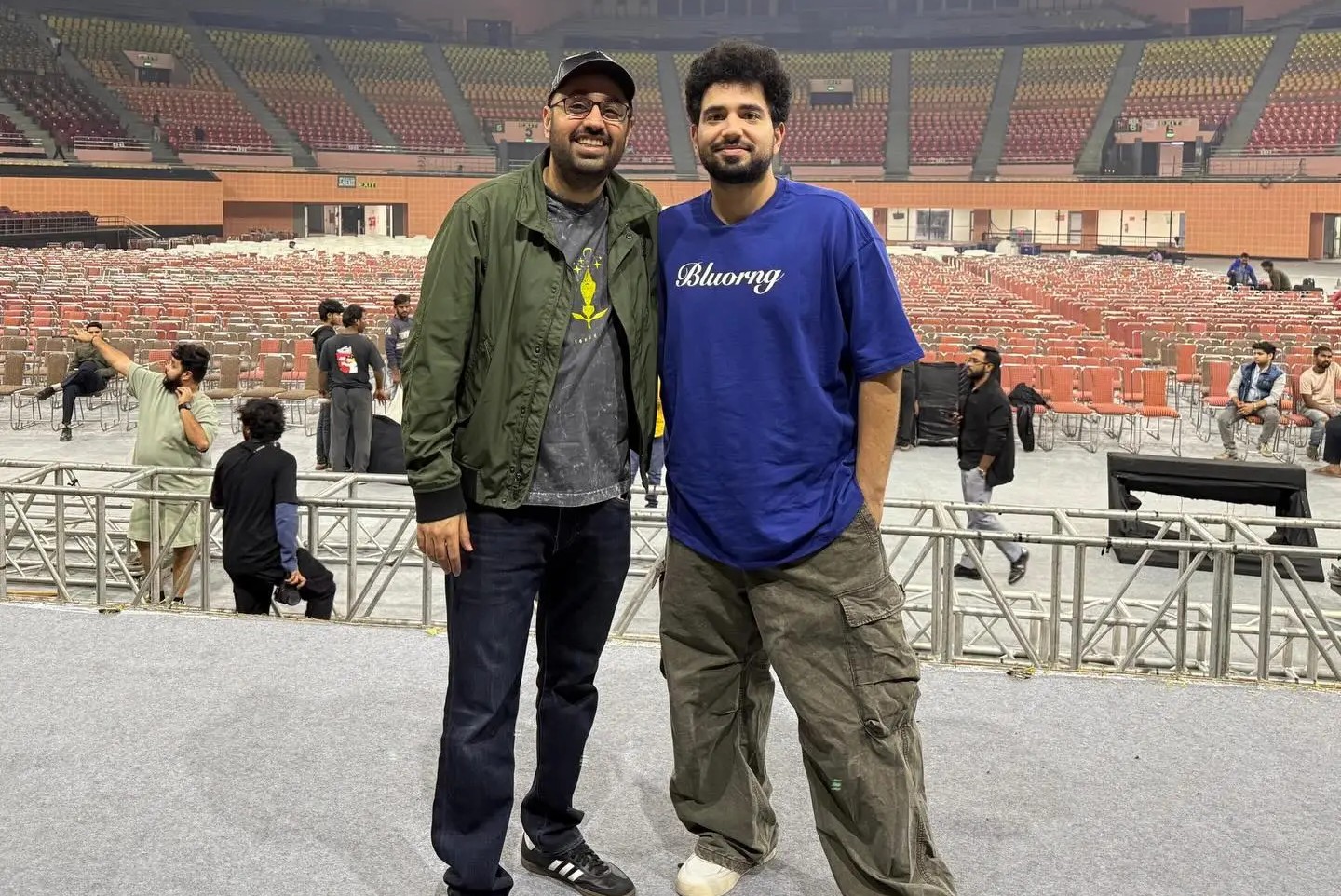
But the controversy pushed him further. It took a visible toll. He found himself relying on sleeping pills while watching the consequences of his actions affect people around him, people who weren’t even involved. Amid this chaos, his friend Balraj Singh Ghai remained by his side—a constant through the storm.
Media, Power, and Selective Outrage
Through satire, Samay also questions the system around him. He raises a thought that lingers—the moment comedians stop making people laugh, they start asking questions.
What was once humour becomes scrutiny. In his case, the situation was amplified. Media channels turned it into content, boosting TRPs, while authorities gave it attention that could arguably have been directed towards more pressing issues. During this time, Tanmay Bhat also voiced his support, pointing out a harsh reality—that India often works on connections. Who you know can sometimes matter more than what you’ve done. And that leaves behind an uncomfortable question about justice itself.
Friendship, Gender, and Double Standards
His loyalty to his friends stands out. While many distanced themselves, Samay continued to stand by Ranveer Allahbadia, Ashish Chanchlani, and Apoorva Mukhija. He recalls how Apoorva wasn’t confident before the show, and when a male contestant took a jab at her, he got worried, but she simply stood up for herself. Yet she faced police complaints, while the man who initiated it faced none.
It shifts the lens from comedy to something larger. It wasn’t just about a moment on stage—it was about a woman who stood her ground and won against a man but had to fight the world for fighting the patriarchal world because SHE was brutally vulgar.
Redefining Strength and Emotional Expression
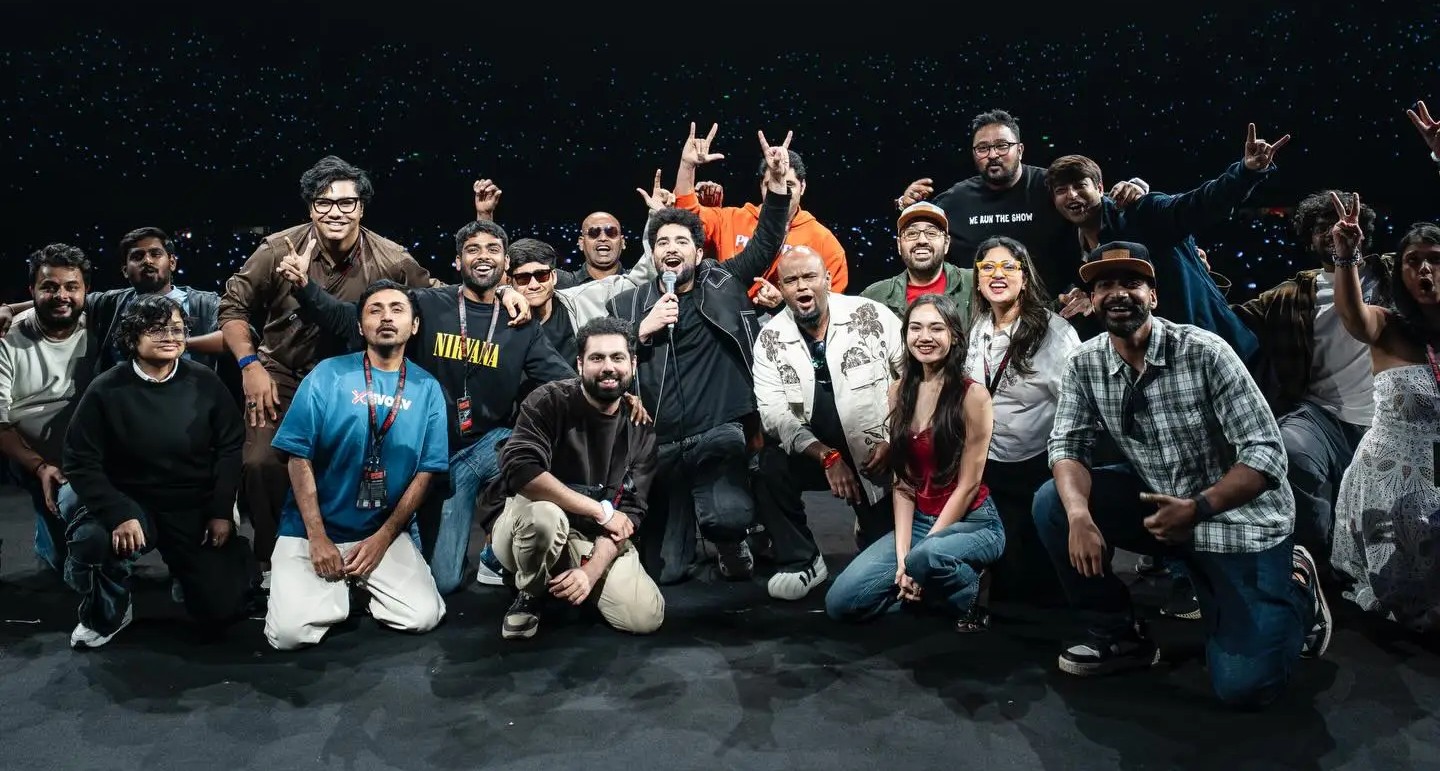
Samay has lived up to his name – TIME – in the episode. He ends the episode on a quiet, emotional note. He asks young men to call their fathers and say, “I love you.” Simple in words, difficult in action.
It might feel awkward, he says, but keep trying. Because behind that silence is often a man who was never taught how to express love. He also redefines productivity. A day spent with family and friends, he suggests, holds more value than one spent endlessly working. And in that moment, the message becomes clear—break the cycle. Learn to feel. Learn to express.
Not a Hero, Just Human
The episode feels real because he feels real. His eyes remain teary, his voice steady but fragile—as if he could break at any moment yet chooses not to. The show must go on.
But vulnerability does not erase accountability. His story does not undo the misogynistic or sexist jokes he has made. It does not take away their impact. What it does offer is context, not justification. The backlash may have been harsh, even excessive, but that does not make him faultless. He is not a hero in this story but a flawed man—one who faced the consequences of a moment that spiralled beyond control and chose to speak.