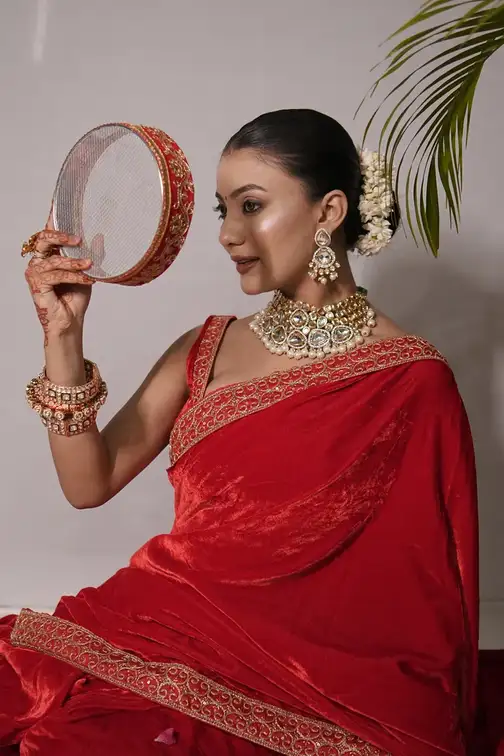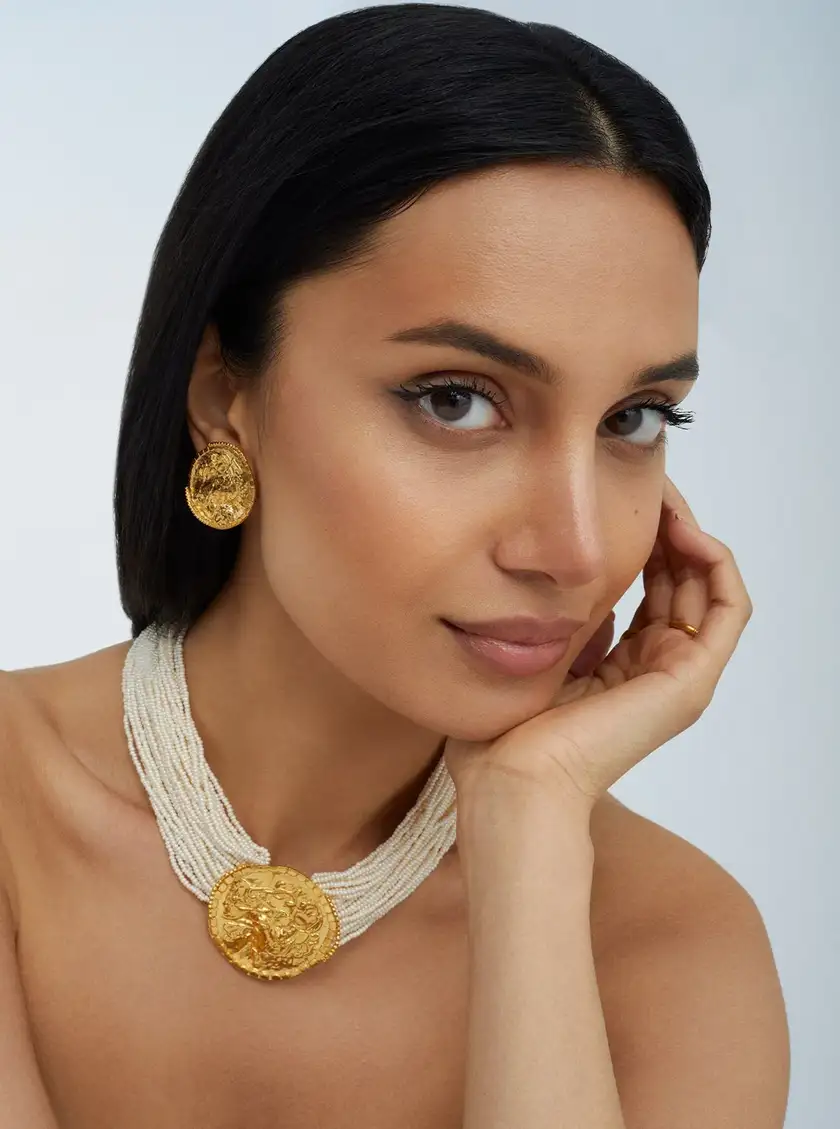
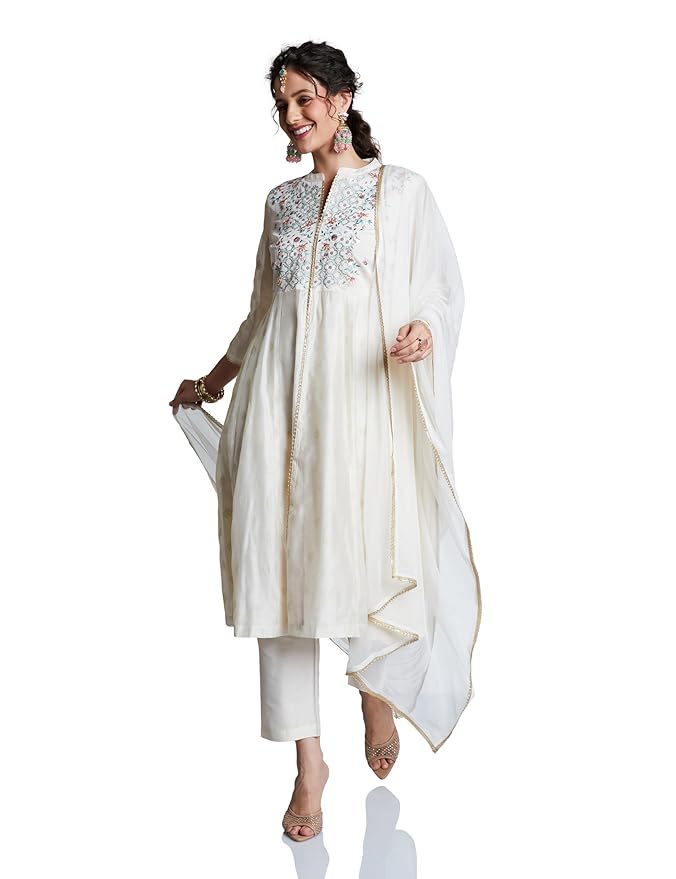
The Indian fashion landscape has shifted its preference for ethnic wear. Attire known for heavy embellishment and embroidery, once reserved mainly for festivals, functions, and weddings, has now found its place in everyday fashion with quiet luxury and understated elegance. Without compromising comfort, the intent is not to invent but to revisit what is already deeply embedded in our culture—sustainable, comfortable, and luxurious.
What makes this new trend appealing to today's generation is its minimalism and recognition of craft over logos. Embracing the concept that true luxury isn’t reflected in tags but in the garment itself, it is elevated by hours of craftsmanship, jewel tones, and understated embroidery.
How Quiet Luxury Expresses Itself in Indian Ethnic Wear in 2026
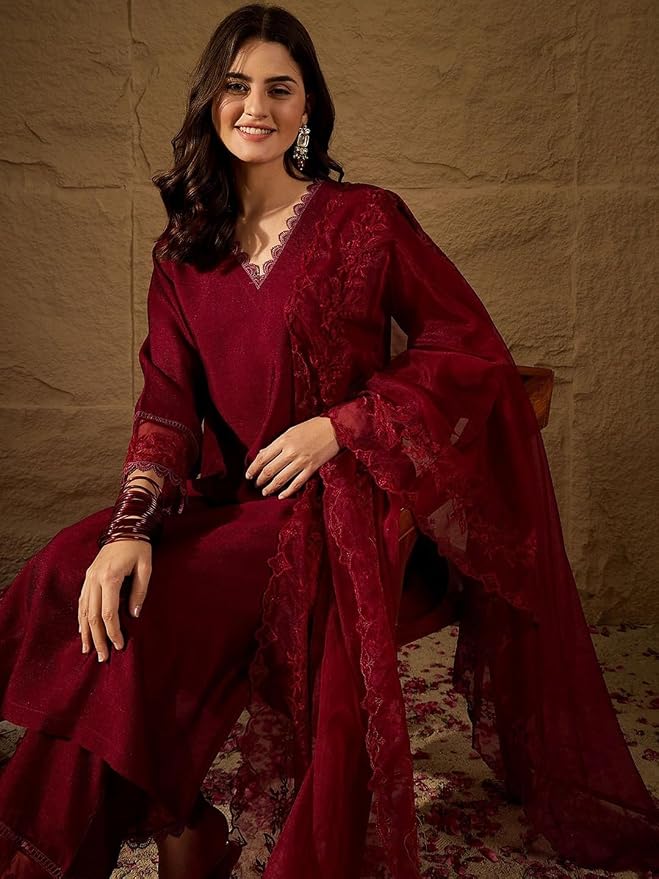
The language of luxury is reimagined through elements such as handwoven fabrics, jewel tones, and tone-on-tone embroidery that keep it understated while expressing a quiet elegance through their craftsmanship.
Tone-on-Tone Embroidery
Tone-on-tone embroidery is a style where the embroidery thread and the fabric of the clothes are the same colour or slightly different shades. Beautifully embroidered motifs and symbols, elegantly sewn into the fabric, only become visible from close proximity, bringing a texture to the cloth that seems quite understated. The technique requires precision and exceptional skill, as little contrast in the ensemble hides imperfections.
Whether it's ivory thread embroidery on ivory silk, gold zari on champagne georgette, or champagne beadwork on cream organza, this technique delivers a luxury statement without being overwhelming.
Jewel Tones
Real luxury doesn’t lie in heavy embellishment and overwhelming embroidery; sometimes, true beauty emerges with restraint. Instead of heavily embellishing the fabric, the concept uses jewel-toned clothes in deeply saturated colors—emerald, sapphire, and ruby—with minimal embroidery that creates a quiet regal feel with sophisticated charm.
A jewel-toned Banarasi saree in navy or plum with minimal zari is far more sophisticated than a heavily embellished piece in the same fabric—and far harder to pull off.
Handloom Fabrics
While branding often influences the perceived luxury status of clothes, the current shift focuses on Indian handloom wear, which is becoming a luxury choice for its limited production, intricate techniques, distinction, and heritage. From Chanderi's lightweight, sheer fabric and Maheshwari's distinctive weaving and borders to Kanjeevaram's Korvai technique and temple motifs, Indian handlooms showcase the depth of India's textile heritage.
Indian handloom offers not just luxury but centuries-old culture and heritage. Its limited production and expert craftsmanship represent hours of skilled work that exudes opulence through its weaving.
Why Younger Indian Women Are Choosing This—the 2026 Shift
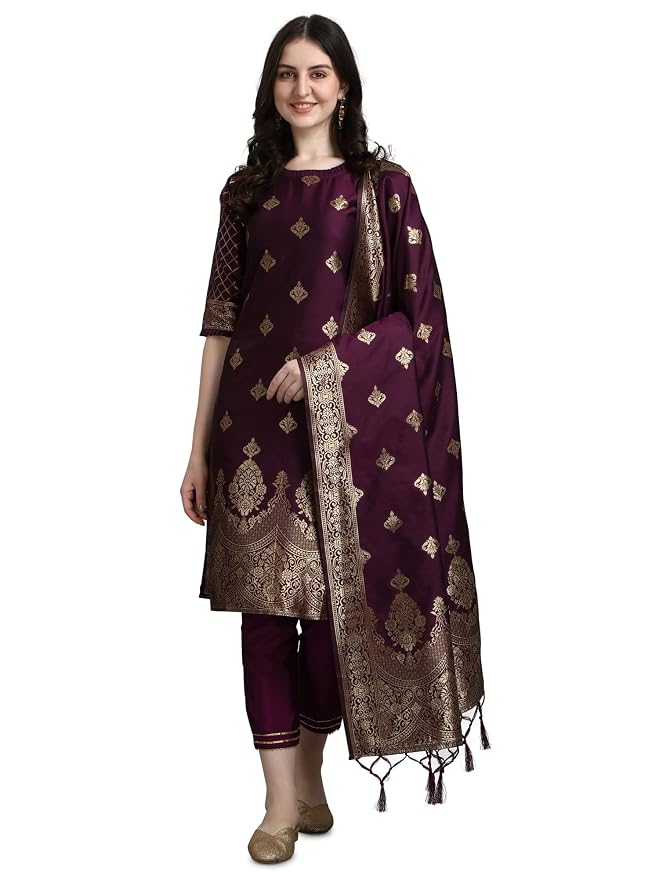
The shift in preference among today's generation, who are not chasing logos as much, points to an inclination toward mindful fashion over material appearance. As heavy embellishment takes a backseat, understated elegance is creeping into the picture. It highlights how minimalism is reimagining the contemporary fashion landscape. People are much more conscious about the impact of their choices and opt for something meaningful and substantial without compromising sophistication.
This prompts the rise of quiet luxury in fashion, which encourages simplicity in ethnic choices, along with comfort and elegance, enabling everyone to embrace their unique style and fashion sense, which is both soothing and impactful.