

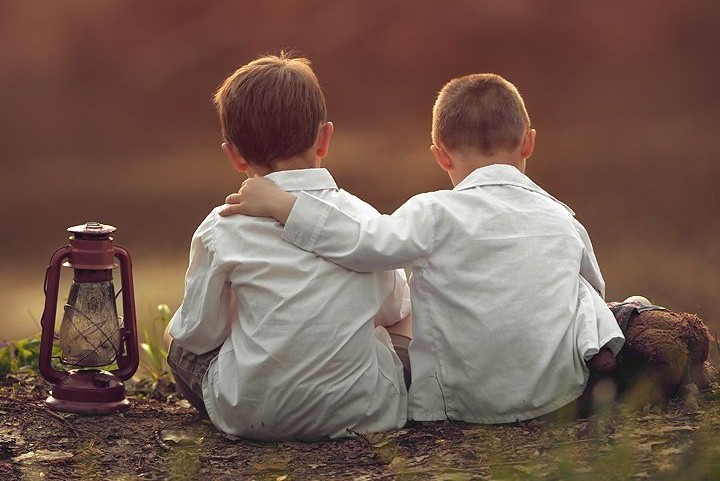
National Brother’s Day on May 24 provides an opportunity to connect. But the relationship it celebrates has always been more layered than greeting cards and social media captions can capture. There is a particular kind of closeness that comes from growing up alongside someone who witnessed your earliest versions of yourself. A brother may remember the things you have forgotten entirely: the music you played on repeat at thirteen, the phases you insist never happened, the arguments that felt world-ending at the time. He knew you before you became careful about how you were perceived, before you learned how to edit yourself for the outside world. That familiarity is what makes the relationship distinctive. Siblings do not choose one another, yet they often become lifelong witnesses to each other’s lives.
National Brother’s Day has been observed on May 24 since 2005, when Alabama resident C. Daniel Rhodes was credited with formally recognising the occasion. Unlike Mother’s Day or Father’s Day, it remains unofficial, shaped more by personal gestures than tradition. That feels appropriate for a relationship that rarely follows one fixed pattern.
Growing Up Beside Someone
Popular culture often reduces brothers to a predictable stereotype: constant teasing, emotional distance, affection hidden beneath sarcasm. While that dynamic certainly exists for some, sibling relationships are far more varied than that image suggests. For many people, brothers are protectors, co-conspirators, caregivers, competitors, friends, or sometimes simply the people who shared the same complicated household. Some relationships are deeply affectionate. Others become closer only with time and distance. Some remain difficult. What connects them is not perfection, but history.
Psychologists have long noted that sibling relationships play a major role in shaping emotional and social development. Brothers often become part of how we first learn negotiation, loyalty, conflict, patience, and care. Growing up alongside another person means learning how to exist beside someone else’s needs, moods, and evolving identity. And unlike friendships, sibling relationships tend to hold an unusually long memory. A brother may know the version of you that existed before ambition, adulthood, heartbreak, or self-consciousness changed the way you moved through the world. There is comfort in being known that completely.
Brothers in Stories and Culture
The bond between brothers has appeared throughout history, literature, and film because it naturally carries emotional complexity. Some stories focus on rivalry, others on devotion, but the relationship continues to resonate because it reflects something deeply recognisable, the strange intimacy of sharing both family and formative years.
In literature, brotherhood often becomes a way of exploring identity itself. From East of Eden to The Brothers Karamazov, writers have long been drawn to the way siblings can mirror, challenge, and shape one another. Popular culture has continued that tradition in its own way. In Harry Potter and its film adaptations, the Weasley brothers represent a different kind of brotherhood, one built on chaos, humour, loyalty, and unconditional support. Whether it is Fred and George turning rebellion into joy or the older brothers quietly guiding the younger ones, the family reflects the comfort and unpredictability that often define sibling relationships.
The meaning of brotherhood has also evolved over time. Younger generations increasingly speak more openly about emotional vulnerability, mental health, and affection within male relationships. For many people today, brotherhood is no longer defined only through stoicism or emotional restraint but through presence, honesty, and consistency.
Marking the Day Meaningfully
National Brother’s Day does not demand grand gestures. In most cases, the day matters precisely because of its simplicity. Sometimes acknowledging the relationship is as small as making a phone call instead of sending a quick reaction online. Sometimes it means revisiting an old memory, planning time together, or checking in after months of unintended distance. Adult life has a way of scattering people into separate routines, cities, and responsibilities. Relationships often fade not through conflict, but through distraction.
If you live in the same city, spending time together can feel surprisingly grounding. A meal, a drive, or even an ordinary conversation can briefly return people to a familiarity that adulthood rarely allows space for anymore. And when distance makes that impossible, shared rituals, from video calls to watching something together online, become their own form of connection.
National Brother’s Day is not really about performance or sentimentality. More than anything, it serves as a reminder to acknowledge the people who knew us before we fully understood ourselves and who, in one way or another, helped shape who we eventually became.