
In the process of fulfilling their daily intake of protein, carbohydrates and good fats, Indians forget to measure their micronutrients that play a pivotal role in operating their body. And among those micronutrients, one that has come into the limelight is magnesium. From sleep to stress, it enables our body to feel energetic and calm, keeping us going through the whole day without encountering stress, anxiety and energy crashes.
However, the modern urban lifestyle depletes both the sources and the amount from which we derive our required magnesium, placing a majority of Indians in a situation where they are facing magnesium deficiency. To understand its importance, we delve into the role of magnesium, explore the causes of its depletion and find the sources to overcome the deficiency.
How Magnesium Helps in Our Daily Life
Magnesium blocks brain cells from over-excitement and activates the parasympathetic nervous system, shifting our body from "fight or flight" mode to a state of relaxation. It binds to GABA receptors — a neurotransmitter that helps calm the nervous system — and also regulates melatonin production. This supports the circadian rhythm and allows us to fall into deep sleep, refuelling both body and mind.
Beside this, during stress and anxiety our body uses energy molecules such as Mg-ATP that help control hormones, but their depletion without adequate replenishment leaves people more sensitive to stress and anxiety. The continuous cycle of imbalanced use and production of magnesium results in restless sleep, leg and calf cramps, stress, anxiety and energy crashes.
What Are the Signs of Magnesium Deficiency
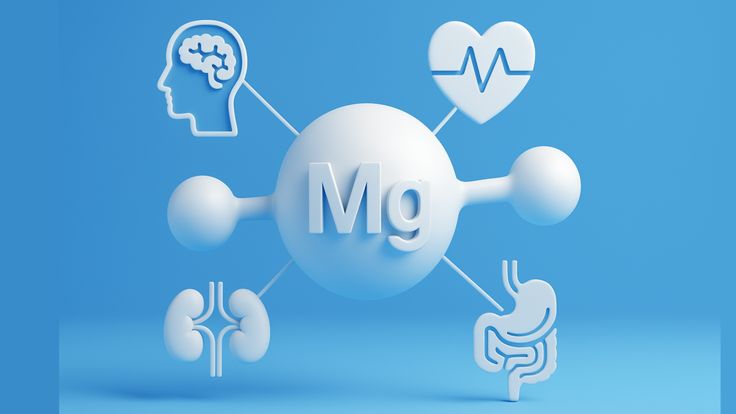
The signs of magnesium deficiency are often dismissed as byproducts of a busy lifestyle rather than recognised as a nutritional gap. Poor sleep quality despite sufficient hours in bed, persistent fatigue, frequent muscle cramps — particularly in the legs and calves — heightened anxiety, low mood and recurring headaches are among the most common indicators. In more prolonged cases of deficiency, irregular heartbeat and difficulty concentrating can also emerge. Because these symptoms overlap with general stress and exhaustion, magnesium deficiency often goes unaddressed for months, quietly compounding its effect on daily wellbeing.
What Are the Reasons for Magnesium Deficiency in the Human Body
Refined Food
India's daily lifestyle has increasingly been taken over by refined and processed food, where the production of white rice, maida and wheat includes steps that significantly deplete their nutritional value. Processed foods like noodles, biscuits and wafers, which have rapidly cemented their place in our daily routine, offer negligible amounts of magnesium to the body despite holding a significant share of our overall food intake.
Urban Lifestyle
India's urban lifestyle has emerged as a major contributor to magnesium depletion. Stressful working hours and heavy workloads have pushed anxiety and stress to alarming levels, exhausting the magnesium required to balance hormones. Additionally, high caffeine intake and intense physical activity result in significant magnesium loss from the body, further widening the gap between intake and requirement.
Dietary Habits
Current Indian dietary habits are shaped more by taste than by nutritional value, which has largely excluded the richest sources of magnesium from daily meals. Nuts, dark green leafy vegetables, seeds and millets — all of which could meaningfully contribute to meeting daily magnesium needs — are no longer staples of the Indian diet in the way they once were.
What Foods and Supplements Can Help You Meet Your Daily Magnesium Goal

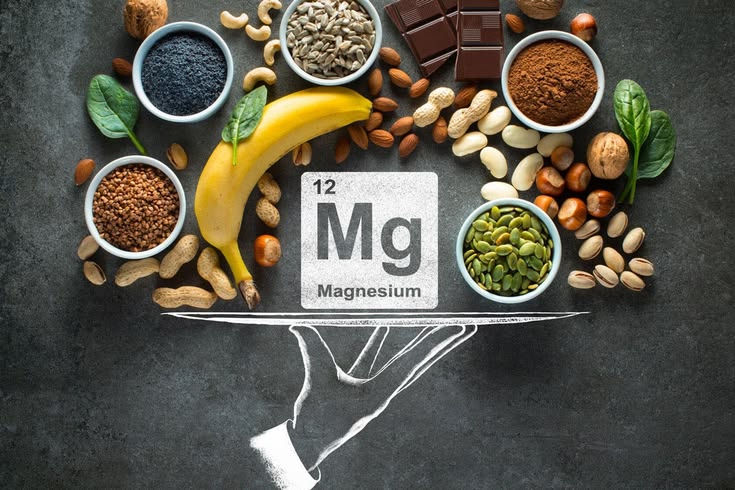
India's dietary landscape is filled with magnesium-rich foods whose regular incorporation can address the root of restless sleep, energy crashes, stress and leg cramps. Dark leafy greens such as palak and methi, pumpkin seeds (kaddu ke beej), almonds, cashews, rajma, black chana, banana and dark chocolate are all strong natural sources that fit naturally into Indian cooking. The ICMR-NIN recommends approximately 340mg of magnesium daily for adult women and 370mg for adult men. For those whose dietary intake falls short, magnesium glycinate and magnesium citrate are considered the better-absorbed supplement forms — however, the right form and dosage depend on individual need and should be decided in consultation with a doctor.
Final Thought
Despite holding such importance in operating our body, Indian people's neglect toward adequate magnesium intake is hindering their daily lifestyle. Even after receiving 8 hours of sleep, daily exercise, and a protein-rich diet, the continuation of an uneasy feeling and energy crashes signals a lack of magnesium in the body—promoted by urban lifestyle and refined food. Therefore, to truly remedy the problem at its core, we need to achieve the required amount of magnesium either from diet, supplements, or both. Ensure you consult with a doctor before taking any supplement, as your individual need will decide the form of magnesium required and at what amount.