
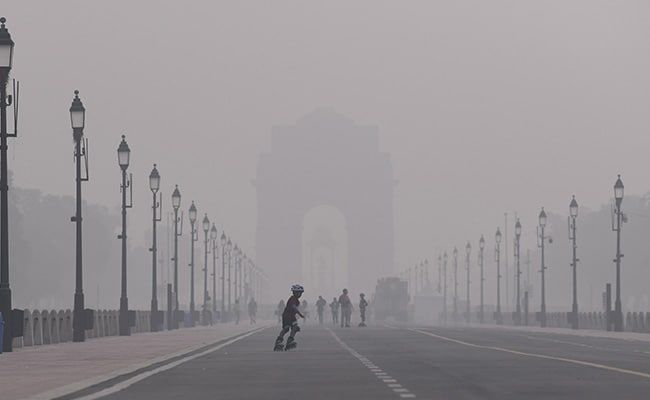
Winter in Delhi doesn’t arrive alone with the cold breeze in the air. It tags along with tiny pollutant particles that envelop the whole city in a white-grey mist, making simple breathing and outdoor activity a serious health concern.
Delhi’s air quality index is 370 on India’s National AQI scale as of November 5, 2026, which is considered “Very Poor” and suggests that people go outside only after taking precautionary measures. It also advises children, older adults, and people with medical conditions such as heart and lung disease to avoid outdoor exertion.
However, even homes are not fully untouched by pollutants, and staying indoors isn’t a feasible solution for everyone. Therefore, it’s important to look at precautions that actually help during this hazardous period—ensuring your safety without hindering work life, while choosing solutions that work and busting popular myths.
The Situation in Delhi and the AQI Level
Since the beginning of November, Delhi has witnessed a rapid and severe decline in its air quality, firmly shifting the air quality level into the “Very Poor” category citywide, with several localized monitoring stations breaching the “Severe” threshold of 400. This has prompted the Commission for Air Quality Management (CAQM) to invoke Stage II of the Graded Response Action Plan (GRAP). Authorities are enforcing strict measures to curb the rising toxic trend, including inspections of industries, restrictions on dust-generating construction and demolition activities, mechanical road sweeping, water sprinkling, and introducing work-from-home arrangements to cap office attendance at 50% in specified districts.
Though the city's air showed a brief spell of relief at the end of October due to cyclonic wind dispersion, the onset of dropping winter temperatures, low wind speeds, and agricultural residue burning has trapped pollutants close to the ground. With the upcoming days approaching peak winter, the pollution index is expected to remain highly volatile and potentially push deeper into the severe category.
Date Average AQI Official CPCB/IMD Category
Nov 5 370 Very Poor
Nov 4 377 Very Poor
Nov 3 350 Very Poor
Nov 2 324 Very Poor
Nov 1 306 Very Poor
Oct 30 60 Good
Air Purifier With a HEPA Filter
While many of us feel that staying home provides absolute safety against all pollutants, open windows, doors and the accumulation of dust over time tell a different story. Despite trying to keep the home properly sealed, dirt tends to creep into our environment.
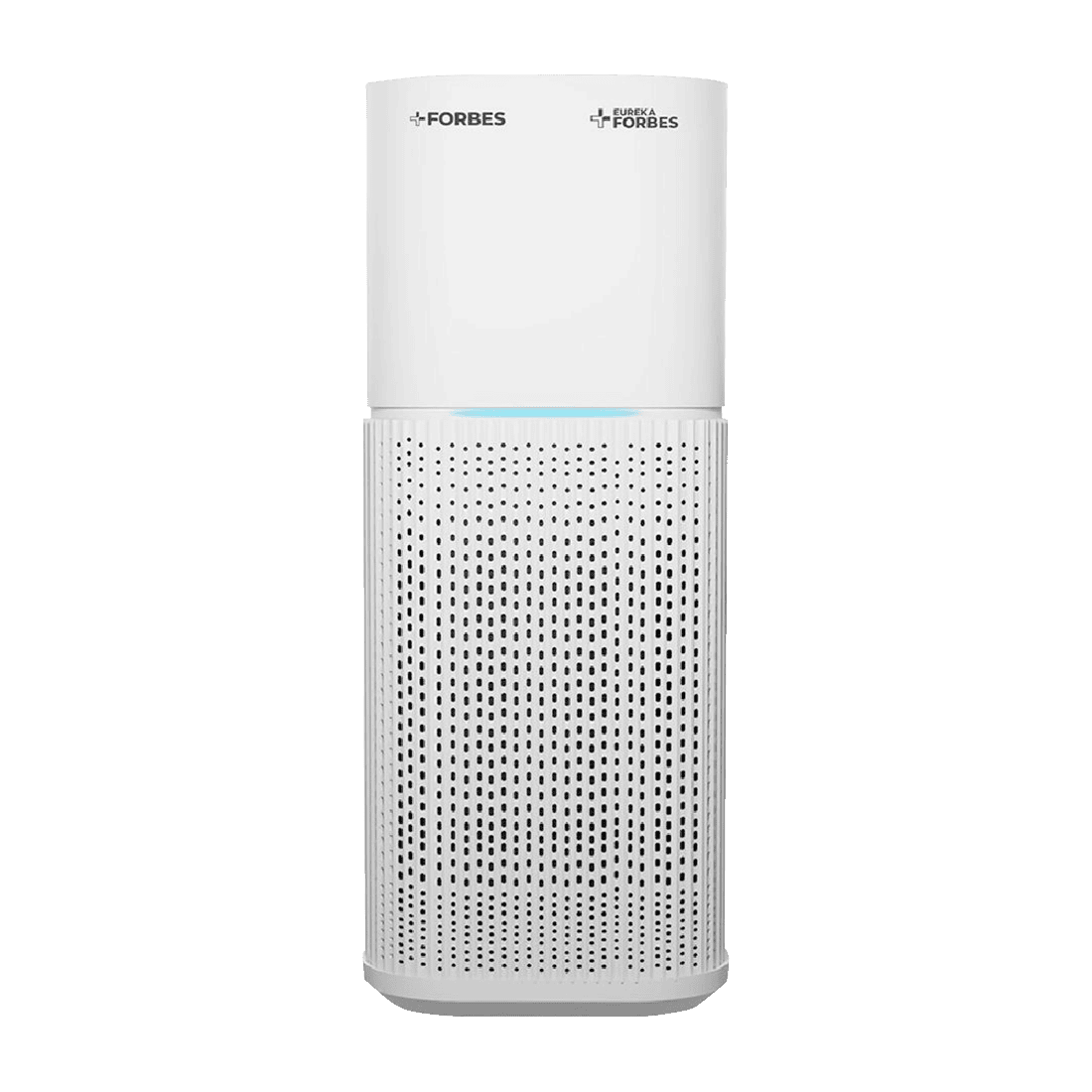
For this reason, installing an air purifier becomes necessary—especially one with a HEPA filter. A true HEPA filter is designed to capture at least 99.97% of particles measuring 0.3 microns under controlled test conditions. These include dust, pollen, mould spores and some bacteria. However, real-world performance depends on the purifier’s CADR, room size, filter condition, placement and ventilation.
Face Masks That Actually Prevent Pollution
The least anyone can do to protect themselves from dust and pollution is wear a mask. But people often mistake surgical and cloth masks as a definitive solution to air pollution.
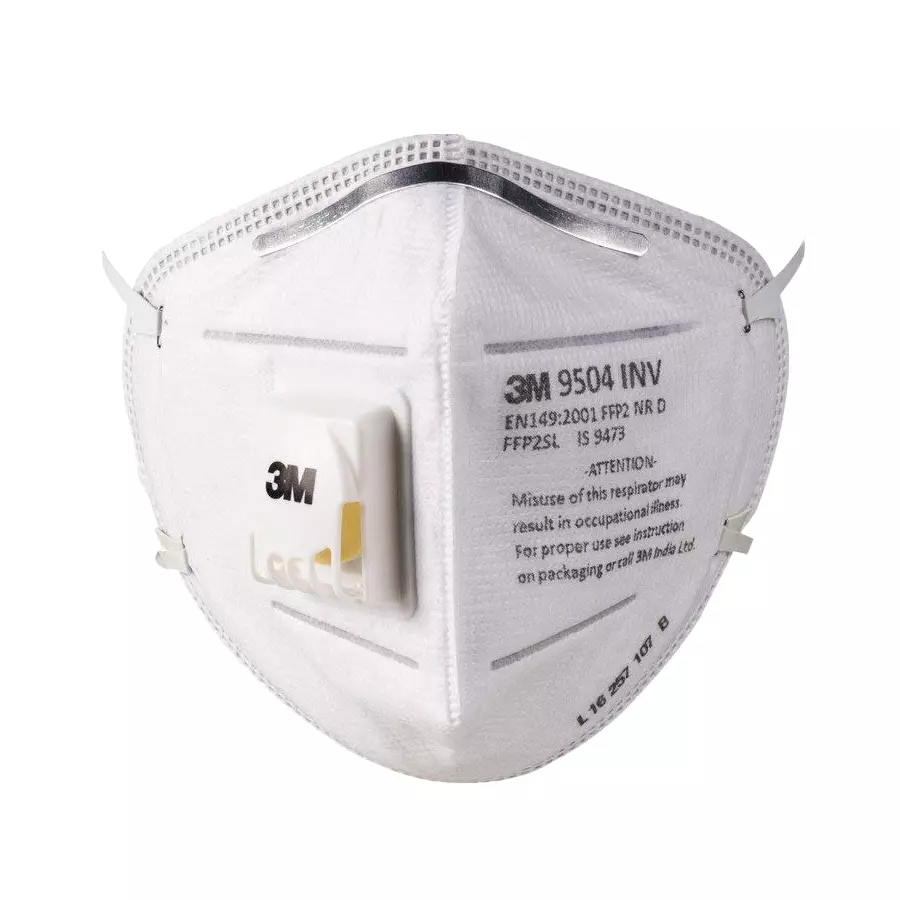
While they can filter larger dust particles, they are not effective against smaller particles like PM2.5, which can pass through or around the mask and enter the body. That’s why N95, KN95 and FFP2 respirators are strongly recommended in such situations. They are designed to filter at least 95% of very small particles when worn properly, making them useful while travelling and commuting. Ensure the mask is properly sealed around the nose and cheeks.
Plants: Good for Wellbeing, Not Air Purification
The idea of plants as air purifiers arises from the 1989 NASA experiment, which took place in sealed chambers. In real homes, offices and larger spaces, ventilation and air exchange occur much faster than indoor plants can remove pollutants, so their impact on PM2.5 is negligible.
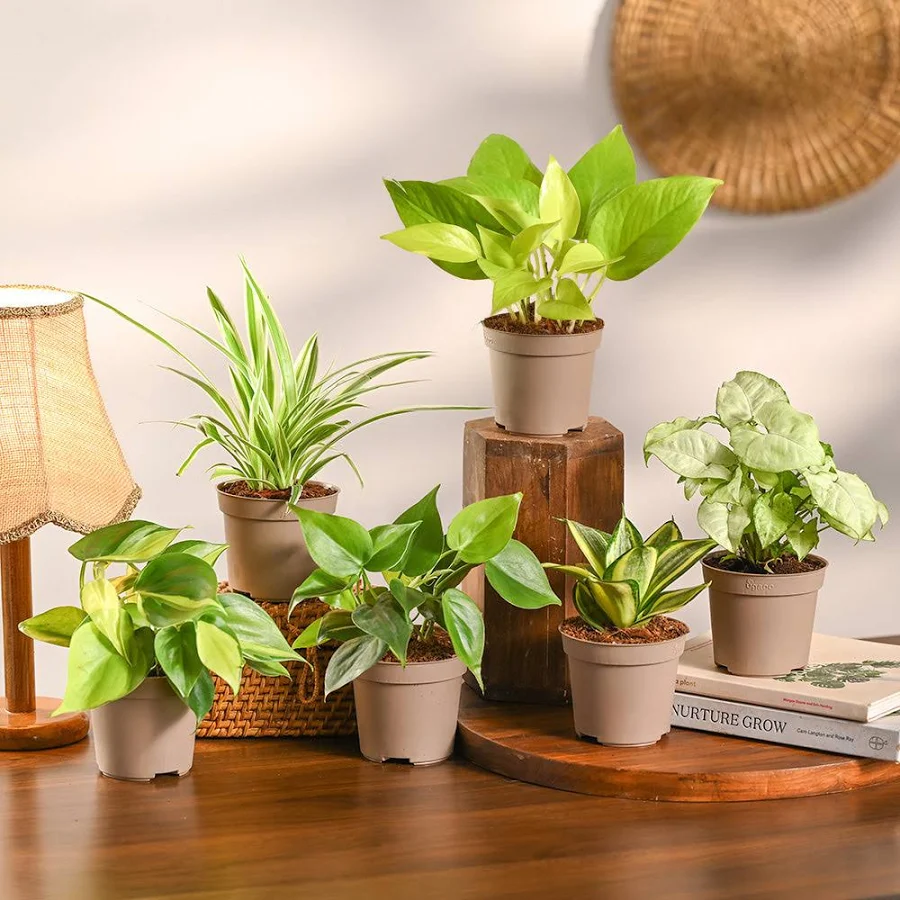
Drexel University researchers estimated that matching the effect of simply opening windows could require 10 to 1,000 plants per square metre of floor space. The American Lung Association also states that houseplants do not meaningfully clean indoor air.
Plants are a good showpiece for home decoration and can improve the feel of a space, but they are not a replacement for an air purifier.
Final Thought
During Delhi’s smog season, the most effective approach is not choosing between an air purifier, mask or plants—it is knowing when each one helps. Check the AQI before stepping out, use a properly sized HEPA purifier indoors, wear a well-fitted N95, KN95 or FFP2 respirator outdoors when pollution is high, and enjoy plants for their beauty rather than expecting them to clean the air.
For children, older adults, pregnant people and those with heart or lung conditions, limiting outdoor exertion during Poor, Very Poor or Severe AQI is especially important. Anyone experiencing persistent breathlessness, chest discomfort or worsening symptoms should seek medical advice.