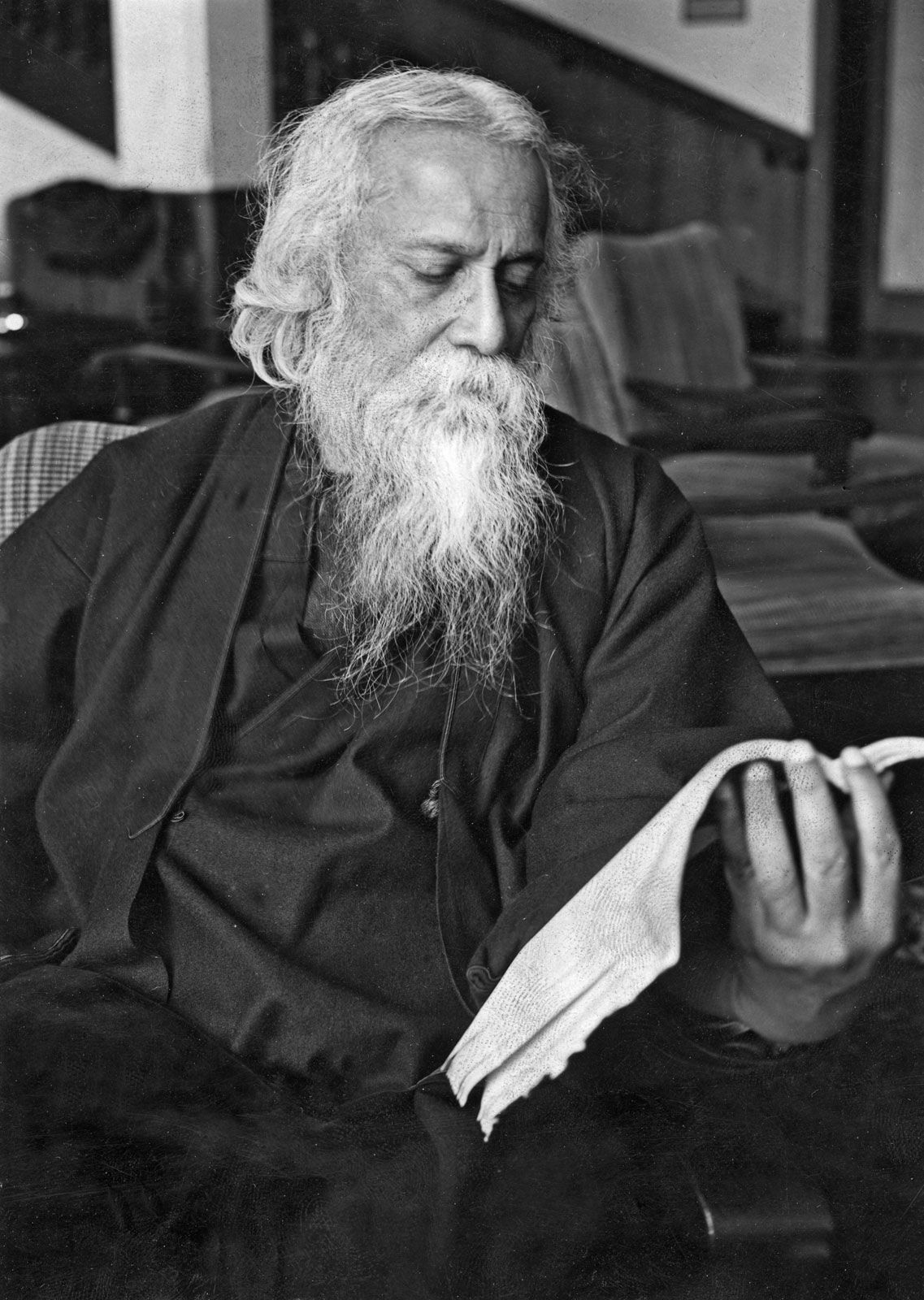
Rabindranath Tagore is known to most of the world as a poet and a Nobel laureate. But in the last years of his life, he was also a painter, and a rather bold one. Nearly a century after his paintings first travelled to Moscow, they have returned to the city, this time in a much larger and more personal way.
A Homecoming After Almost a Hundred Years
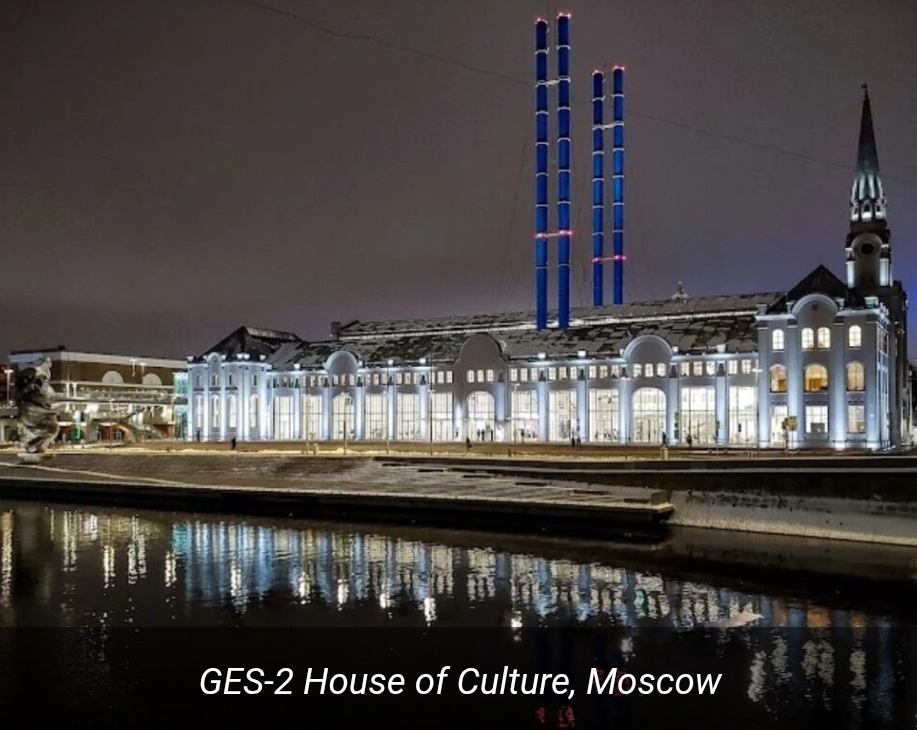
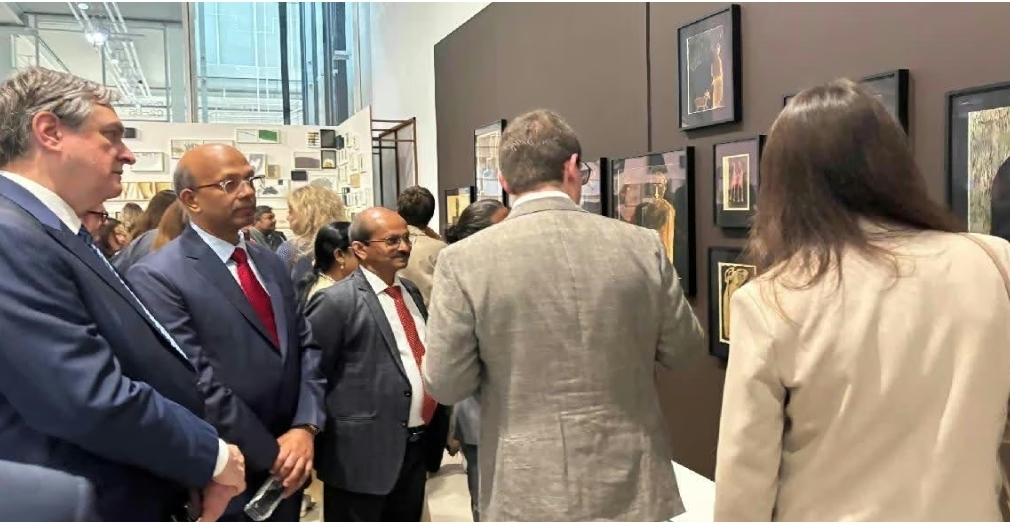
The exhibition, titled The World in a Single Nest, Following the Way of Tagore, opened at GES-2 House of Culture in Moscow on June 25 and will run till August 23, 2026. It is being held in Gallery C2 and marks the first major show of Tagore’s paintings in Russia since 1930, when more than two hundred of his watercolours were displayed at the State Museum of New Western Art. That earlier show drew thousands of visitors in just a few days, and Tagore himself wrote about how surprised he was by the response.
The exhibition is curated by Artem Timonov and Elena Yaichnikova, and it came together through a joint effort by Visva-Bharati’s Rabindra Bhavana Museum, the Pushkin State Museum of Fine Arts, the Birla Academy of Art and Culture, and Shrine Empire Gallery. Together, they brought together more than fifty of Tagore’s works for the show.
What Visitors Will See
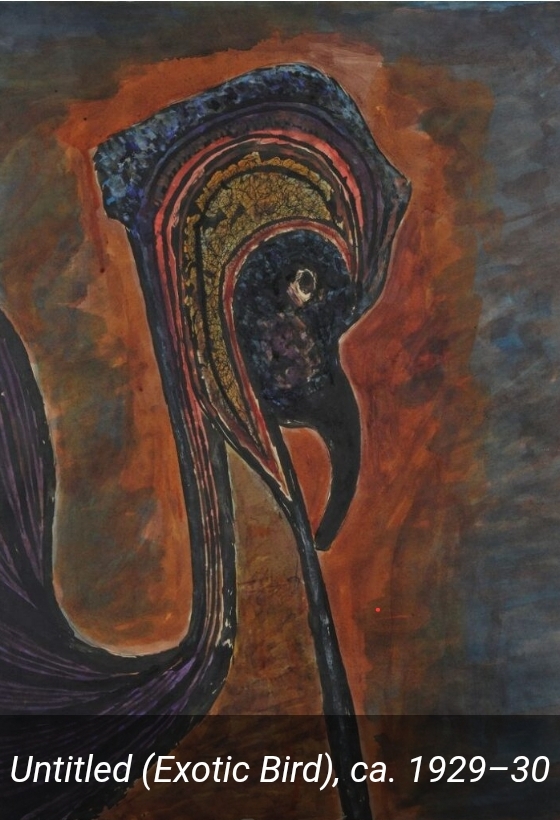
The show includes portraits, masks, birds and imagined landscapes, all done in Tagore’s distinct style. His paintings mix Indian artistic traditions with touches of Expressionism, Primitivism and Art Nouveau, the same movements that were shaping art across Europe at the time. What stands out most is his use of fluid lines and dreamlike figures that feel completely separate from his writing, almost as if a different artist made them.
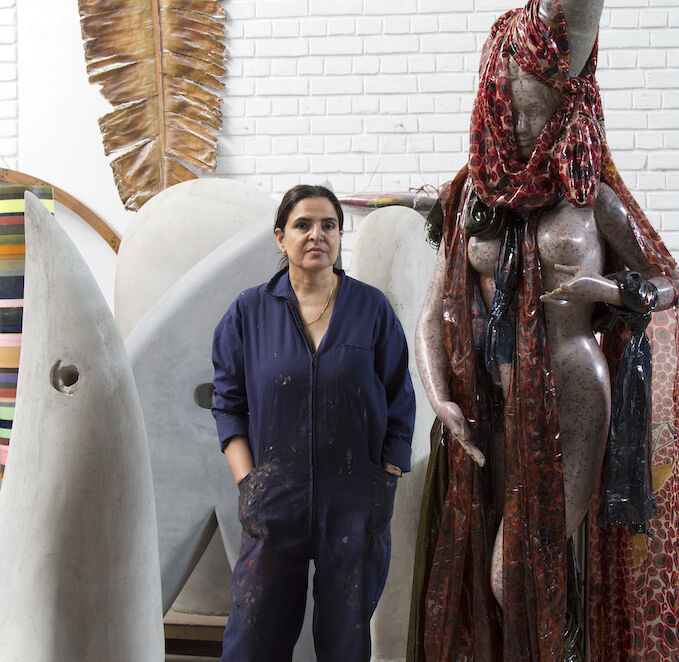
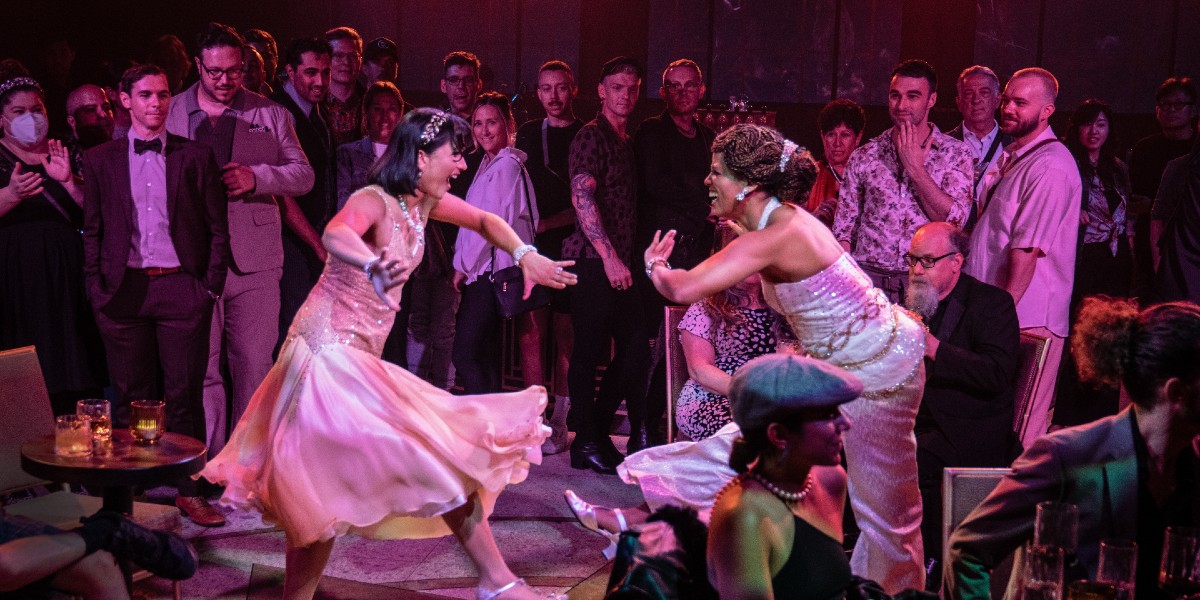
Alongside Tagore’s original works, the exhibition also places him in conversation with contemporary Russian and Indian artists, showing how his ideas on art, education and human connection still feel relevant today. There is also a series of talks planned through the run of the show, including one called Renaissance Man, Who is a Genius for Us Today, which looks at Tagore’s life as a writer, teacher, artist and thinker all at once.
A Painter Who Came Late to the Canvas
Tagore did not pick up a paintbrush seriously until he was well into his sixties. Yet in the final thirteen years of his life, he produced over two thousand five hundred works. He never trained formally as an artist, and his paintings took shape more through instinct than through technique. That freedom is part of what makes them so striking even now.
Why Moscow, and Why It Matters
Tagore’s connection with Russia goes back to his 1930 visit to the Soviet Union, when he spent nearly two weeks in the country and later wrote about his experience in a collection called Letters from Russia. He was drawn to how quickly the country was working to spread education, something close to his own beliefs, since he had built his university at Santiniketan around similar ideas. That trip left a lasting impression on him, and it seems fitting that his art has now returned to the same city, decades later.
The venue itself adds another layer to the story. GES-2 is a former Moscow power station that was redesigned by the Renzo Piano Building Workshop and now works as a major cultural centre. Housing Tagore’s paintings in a space like this, built from something industrial and turned into something artistic, feels almost like an echo of Tagore’s own journey from poet to painter later in life.
For anyone visiting Moscow this summer, the exhibition offers a rare chance to see a side of Tagore that most people never get to know: not the poet everyone reads about in school, but the artist who found a whole new language for himself late in life, and who once again has an audience halfway across the world.