Introduction: Dance of the Desert
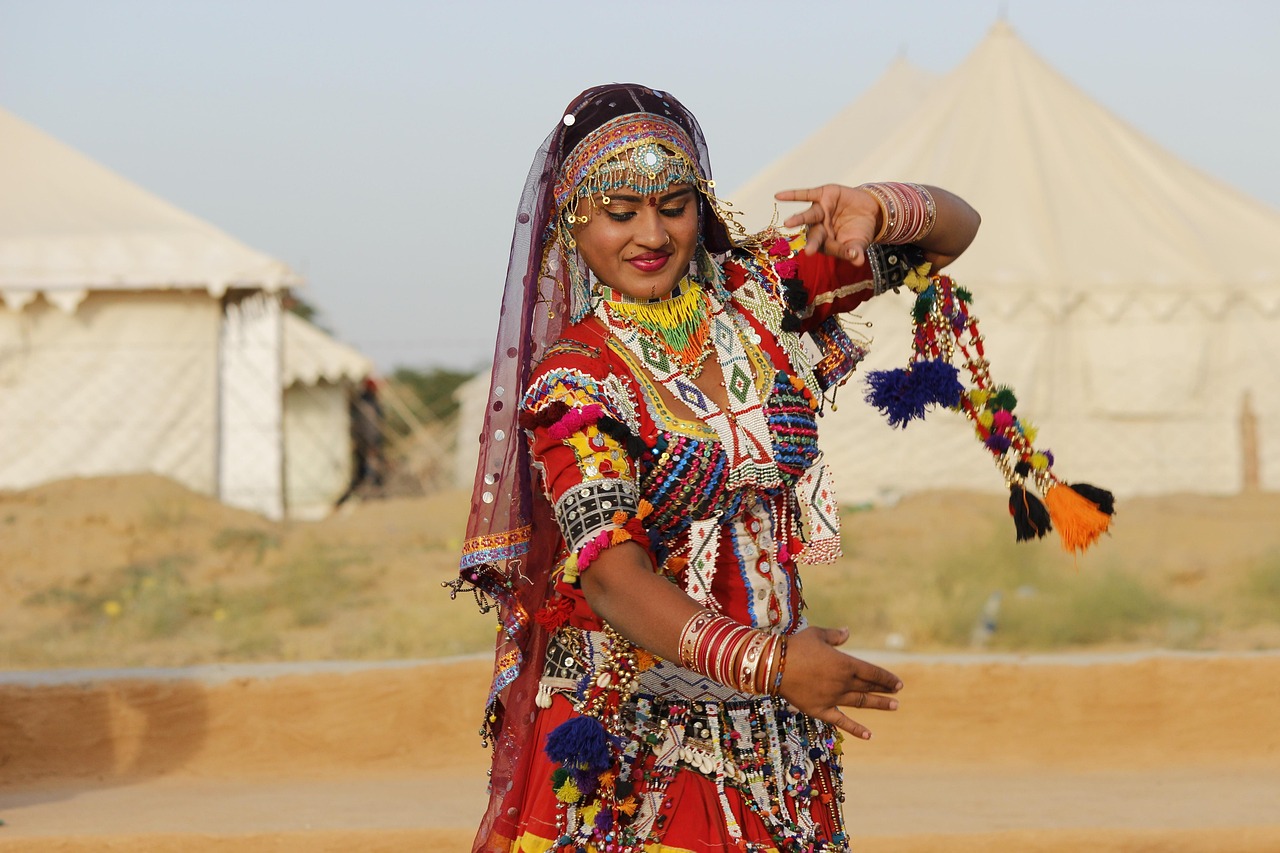
Nestled in the windswept Thar, where dunes roll like ocean waves, a group of women whirl in black skirts and embroidered blouses, their bodies moving with the sinuous grace of serpents. This is the Kalbelia dance, driven by the khanjari (a small frame drum) and accompanied by pungi, dufli, been, morchang, khuralio, and dholak, played by the community’s musicians (often men).
The performance evokes a man enchanting a snake with music: a living enactment of the Kalbelia’s traditional relationship with snakes, which has been adapted for modern audiences, helping to preserve their identity while providing a livelihood.
Origins of the Kalbelia Community
Historically, the Kalbelia were a nomadic community of snake-catchers and healers. Moving from place to place, they engaged in snake catching and venom trading; over generations, their songs and techniques were passed down orally. Over time, performers incorporated improvisation into their songs, using verse to convey myths, memories, and everyday life.
Costume, Movements & Musical Identity
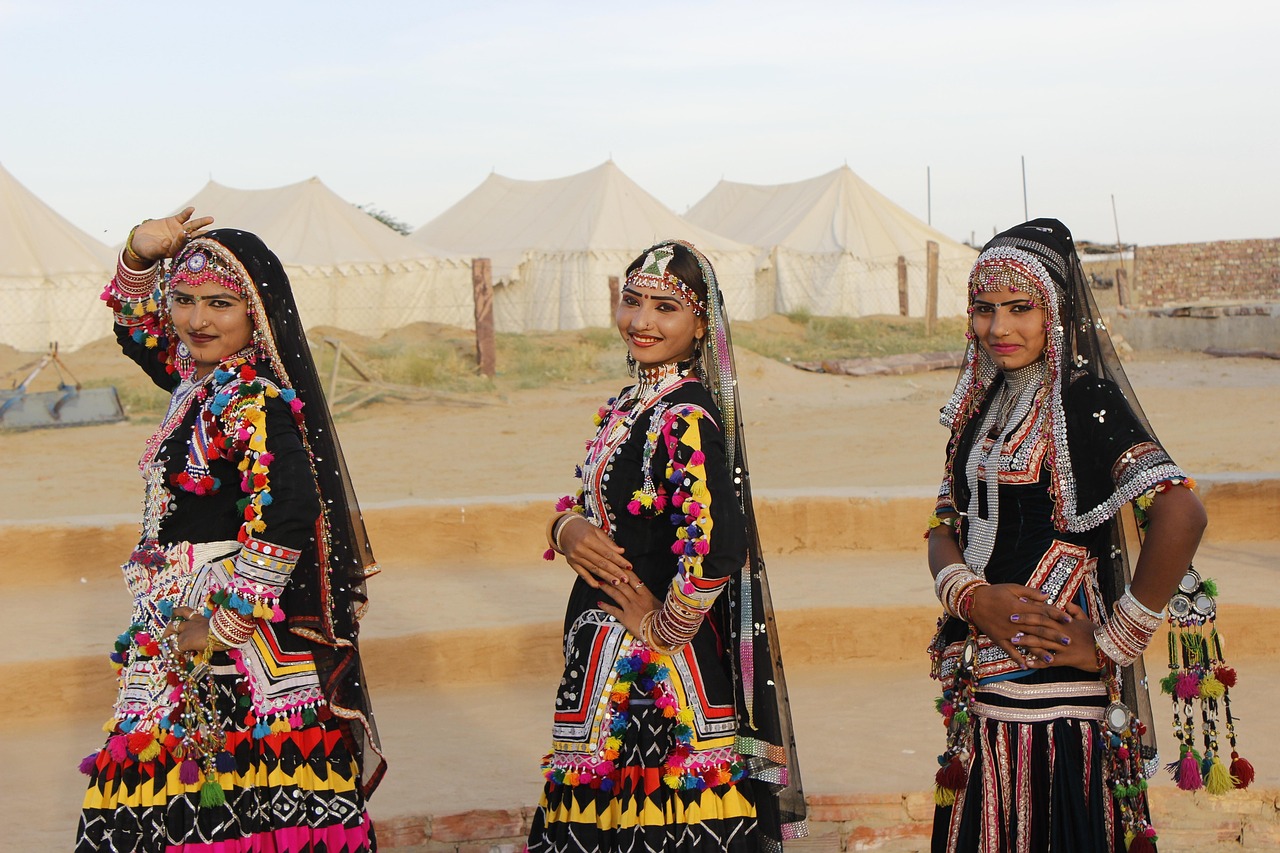
Every aspect of the performance carries meaning. The embroidered black skirts and mirrored blouses recall desert nights and the covert life of nomadic groups; the dancers’ low, swirling movements echo the serpent of Hindu lore. Music played on pungi (been), dufli, khanjari, morchang, khuralio, and dholak frames the dance, allowing singers and musicians to improvise and create a living, responsive performance that connects audiences to the community’s history.
Cultural Significance & UNESCO Recognition
In addition to the aesthetic elements, their dance also holds social value. Rooted in the culture and heritage that passes from one generation to the next, it serves as a public assertion of community pride at a time when traditional livelihoods are in decline. Even UNESCO, in 2010, recognised the Kalbelia folk songs and dances as part of the Intangible Heritage List, elevating this cultural treasure to a global stage.
Challenges Faced Today
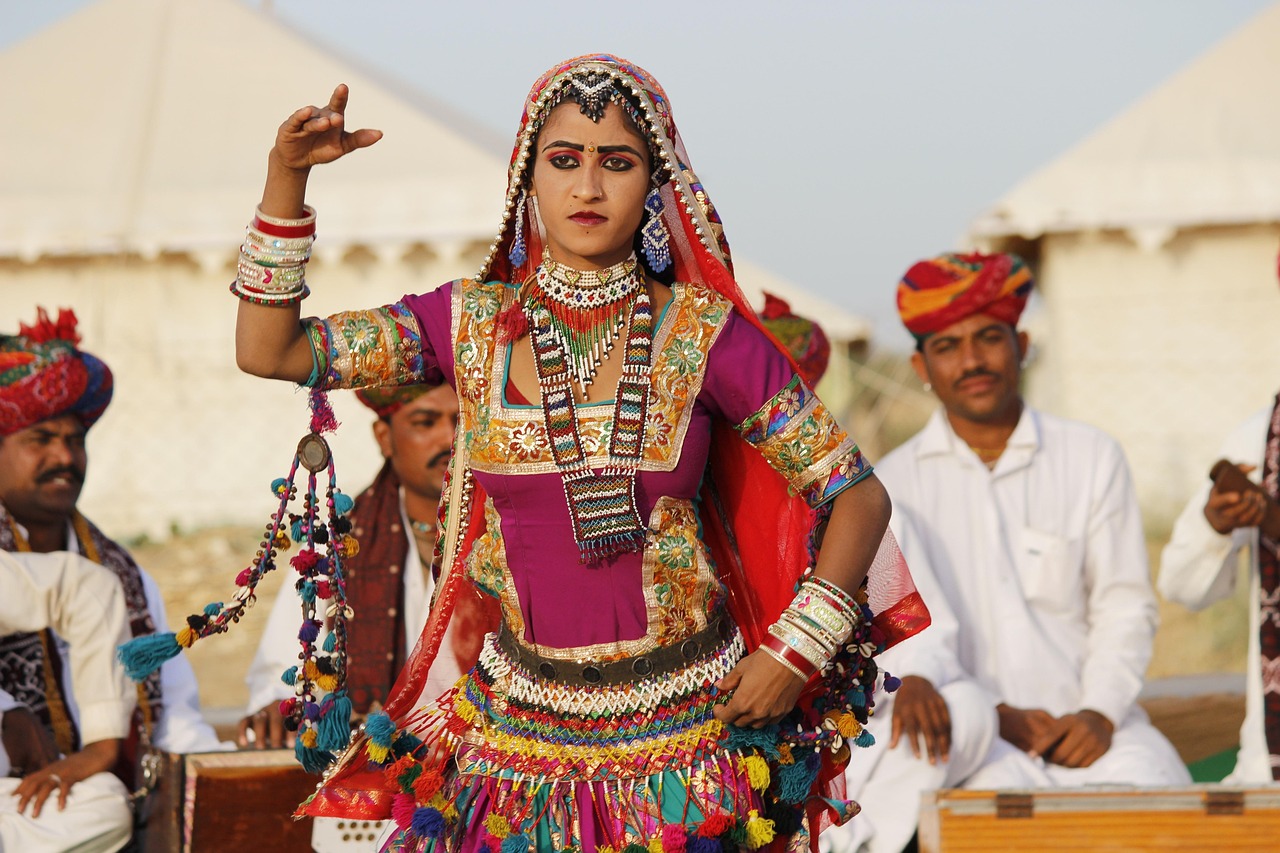
Yet the Kalbelia face pressures, including sedentarisation, loss of income from snake handling, tourism-driven commodification, and the changing aspirations of younger generations. These forces have shifted performances from village courtyards to staged festivals and international circuits. These opportunities bring visibility and income but can also reduce a living tradition to fixed “show” pieces. Community-led training, collaborative documentation and fair cultural tourism are among the strategies recommended to safeguard the art without stripping it of meaning.
Conclusion — A Living Cultural Legacy
Today, the Kalbelia remain a vivid symbol of Rajasthan’s cultural diversity: dancers who once read the body language of snakes now translate that attentiveness into music, movement, and story, an art that is at once local and global, ancestral and alive.