
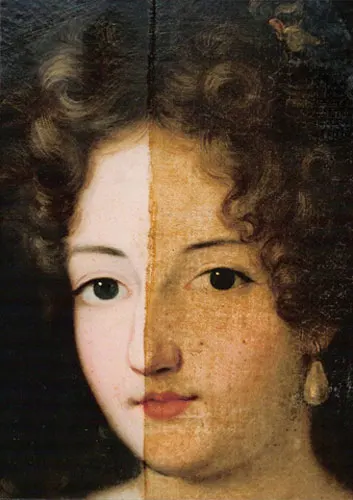
Step inside an art restoration studio and it feels more like a science lab than an artist’s workshop. There are microscopes, soft brushes, small bottles of solvent, and paintings propped up under bright lights. Every object in the room has one purpose. It helps bring a damaged artwork back to life without erasing its history.
The First Look
Nothing gets touched right away. A conservator starts by studying the piece closely, often under ultraviolet or infrared light. This shows old repairs, hidden sketches, and cracks the naked eye would miss. Photographs and written notes are taken at every stage so the whole process can be traced later. This record matters as much as the repair itself.
Cleaning Away the Years
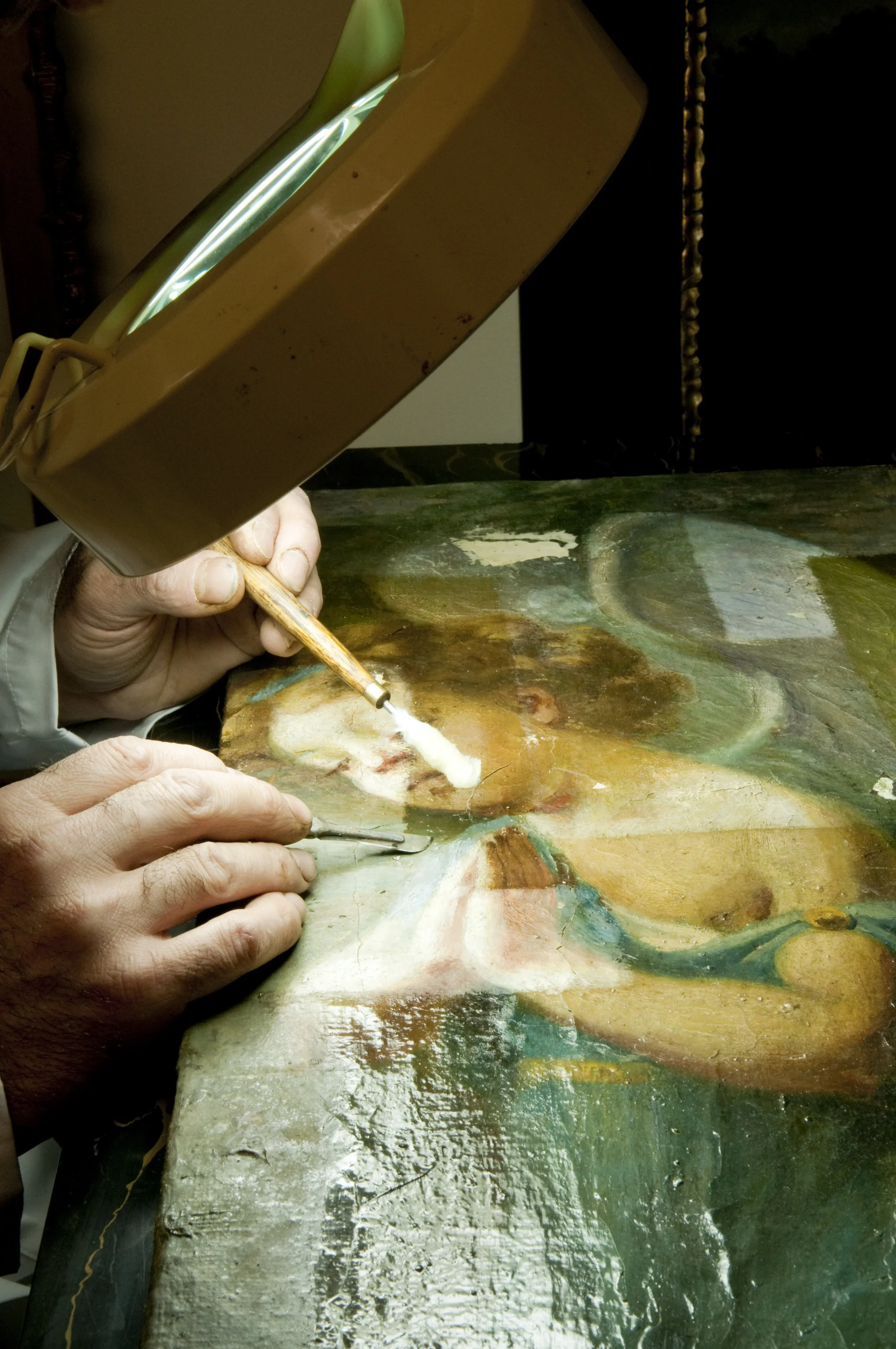
Dust, smoke, and old varnish build up on a painting over decades. Restorers remove this grime with cotton swabs, soft brushes, and carefully chosen solvents. The mixture is tested first on a tiny hidden spot, since the wrong solvent can strip away real paint along with the dirt. This step alone can take weeks on a single painting. Patience matters more than speed.
Fixing the Damage
Once the surface is clean, any structural problems come next. Flaking paint is reattached with a fine brush and a reversible adhesive. Torn canvas may be backed with new fabric on a special table. Cracked wood panels are stabilized with modern resins. The goal is always strength without changing what is already there.
Filling in the Missing Pieces
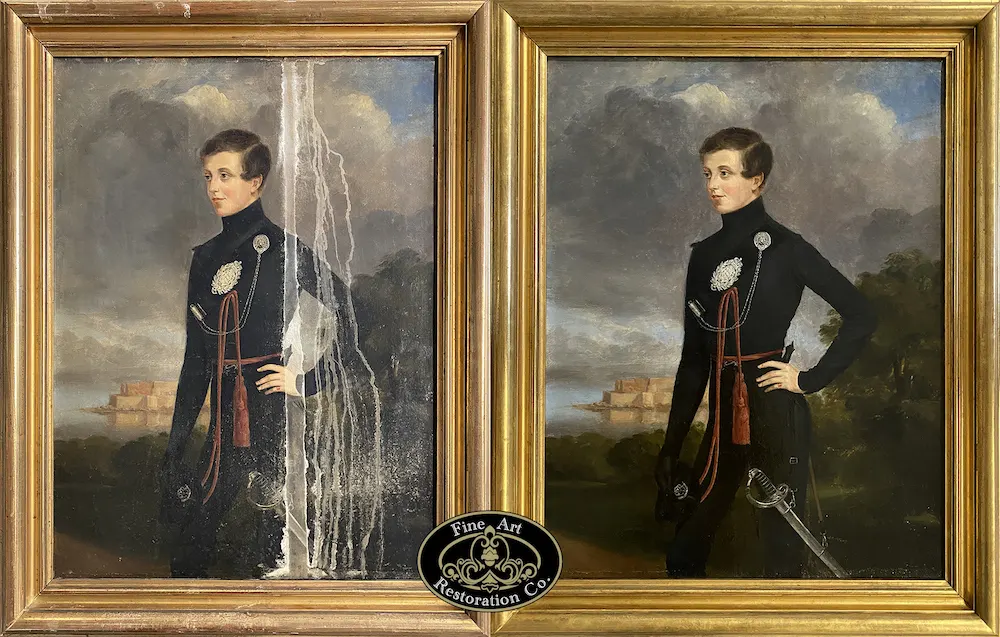
Where paint has been lost, conservators fill the gap and then paint over it, a process called inpainting. They mix pigments to match the surrounding colors as closely as possible. Up close, under magnification, the new paint is visible and honest about what was added. From a normal viewing distance, the painting reads as whole again.
A Final Layer of Protection
Once repairs are complete, a thin varnish is often applied. It protects the paint layer and brings back some of the original depth and color. Restorers choose a varnish that can be removed later without harming the paint underneath. Nothing in conservation is meant to be permanent or impossible to undo.
Why It All Matters
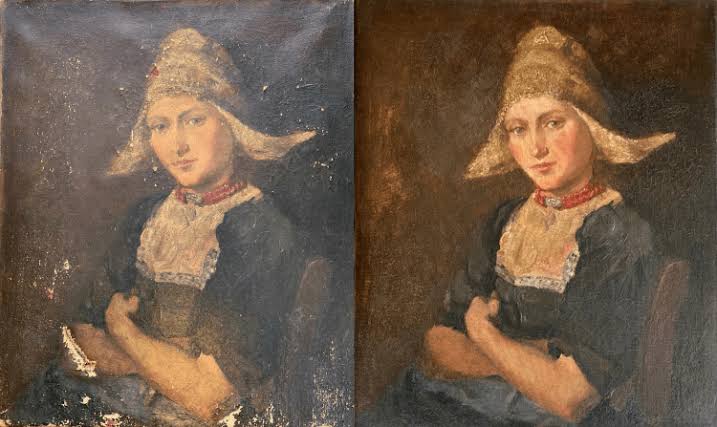
Good restoration does not try to make an artwork look brand new. It respects the years the piece has lived through while stopping further damage. Every choice a conservator makes, from the smallest cotton swab to the final coat of varnish, is meant to protect both the art and its story for the next generation to see. That balance of science, patience, and care defines the work happening quietly behind studio doors.