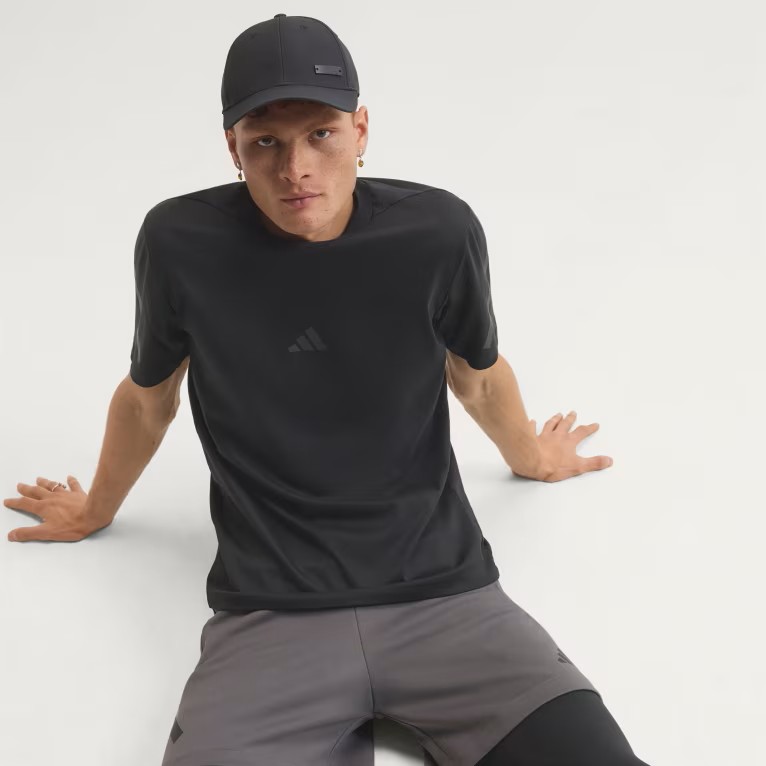
There was a time when wearing gym clothes outside the gym was considered lazy dressing. That time is over. Athleisure, the category that sits between athletic performance wear and everyday fashion, has become the most dynamic segment in Indian apparel in 2026 and shows no signs of slowing down. From office corridors to airport terminals to weekend brunches, the lines between sportswear and lifestyle clothing have dissolved entirely, and the brands that understood this shift early are now reaping the rewards.
Why India's Athleisure Boom Is Different
India's relationship with athleisure is not simply a delayed echo of a Western trend. It is being driven by a specific set of local forces that make this market genuinely distinctive. The rise of corporate gym culture, the post-pandemic shift toward health consciousness, the influence of IPL and cricket fitness culture, and a Gen Z consumer base that dresses for comfort first and occasion second have combined to create a category growing at over 20% year on year faster than any other segment in Indian fashion.
The Indian consumer is also younger than the average Western athleisure buyer. With over 377 million Gen Z consumers now driving nearly half of all fashion and lifestyle spending, and a millionaire household count that has grown 90% since 2021, India's premium athleisure segment has a customer base that is both massive and willing to spend.
one8 — The Brand That Changed the Conversation
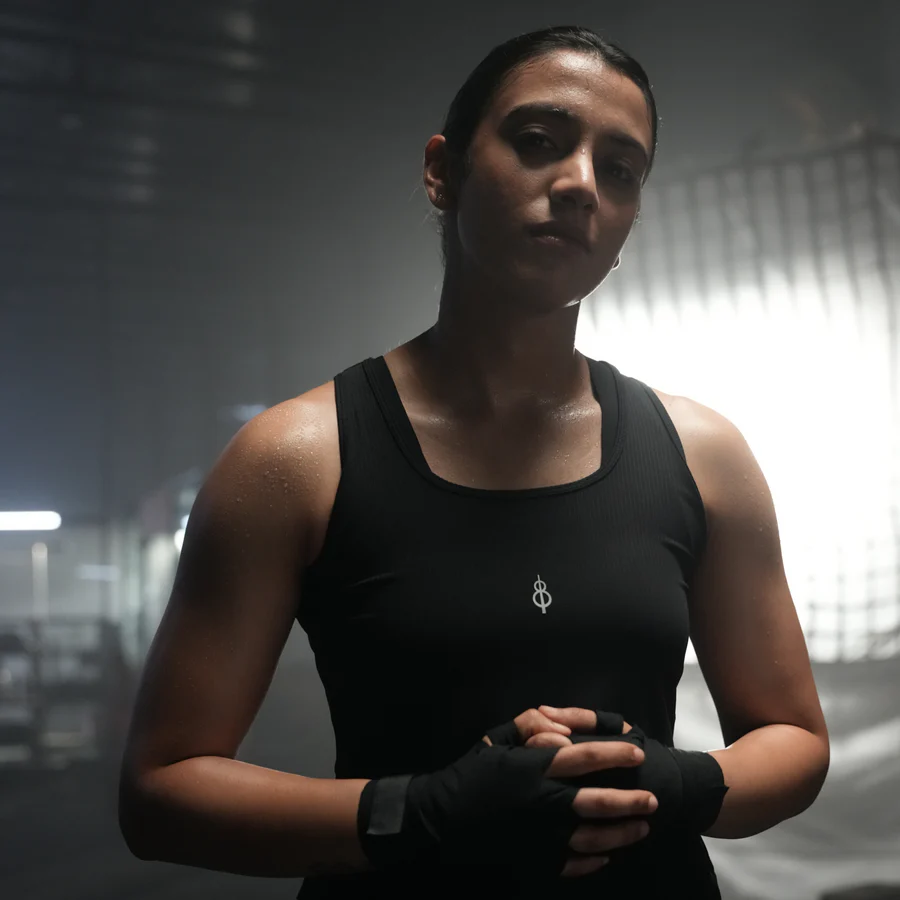
No Indian athleisure launch in recent memory has created the kind of anticipation that one8 generated in June 2026. Founded by Virat Kohli in partnership with Agilitas Sports, one8 is positioned not merely as a celebrity merchandise label but as India's first genuine attempt at a homegrown global high-performance sports brand. The debut collection, the Seam XVIII Signature shoes, priced at ₹9,230 to mirror Kohli's exact Test career run tally, sold out within minutes on the District app. The brand is built around Kohli's own obsessive approach to fitness: every element, from logo to lacing, went through multiple rejected prototypes before Kohli gave his approval. The ambition is explicit: Kohli has said he wants the brand to outgrow him and reach a point where people forget who started it.
HRX by Hrithik Roshan — The Pioneer
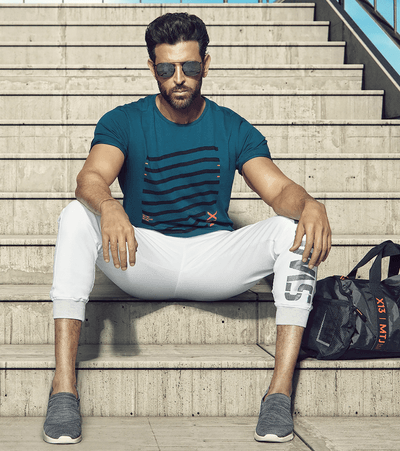
Before One8 existed, HRX was the benchmark for celebrity-driven Indian athleisure. Launched in 2013 in partnership with Myntra, HRX was ahead of its time: affordable, performance-focused, and built around Hrithik Roshan's own fitness identity rather than just his face. Today, HRX offers over 2,000 products across apparel, footwear, and accessories, with a price range (₹500 to ₹5,000) that makes it accessible to a far wider audience than most premium athleisure brands. It remains the highest-selling Indian fitness fashion brand on Myntra by volume, and its longevity in a market that has since become far more competitive is the clearest evidence of how well the original brand was built.
Puma India — The Global Giant That Went Local
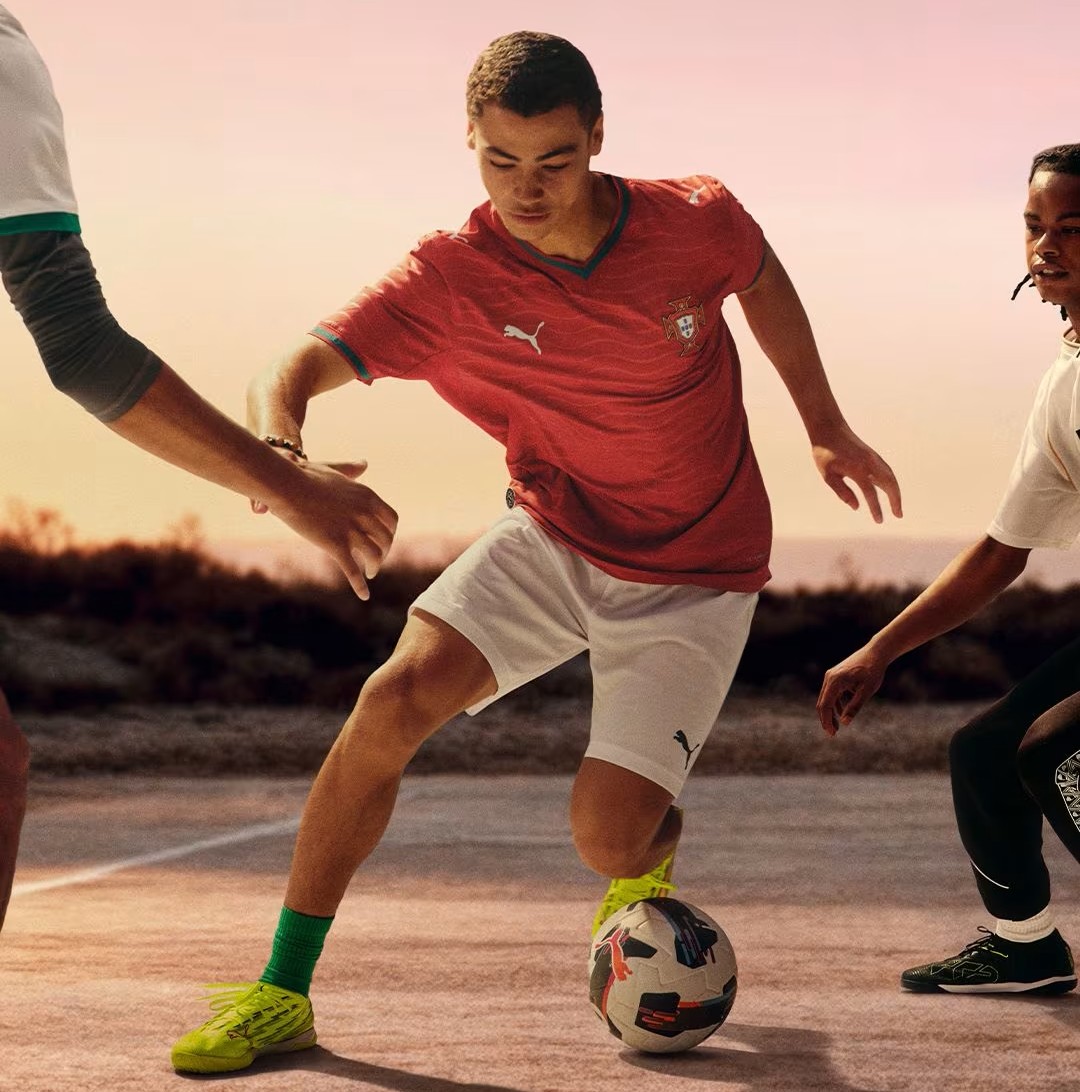
Among international brands, Puma has done more than any other to embed itself in the Indian market in a way that feels genuinely local rather than imported. Its ambassador roster, Virat Kohli (before his one8 launch), Neeraj Chopra, and several IPL franchises, was built with deliberate awareness of which Indian athletes actually resonate with the athleisure-buying demographic. Puma's India revenue has grown consistently, and it remains the market leader in the premium performance-athleisure crossover space. The brand's challenge now is Kohli's departure from its roster, which removes its single most powerful face at precisely the moment One8 launches as a direct competitor.
Adidas India — Design and Culture
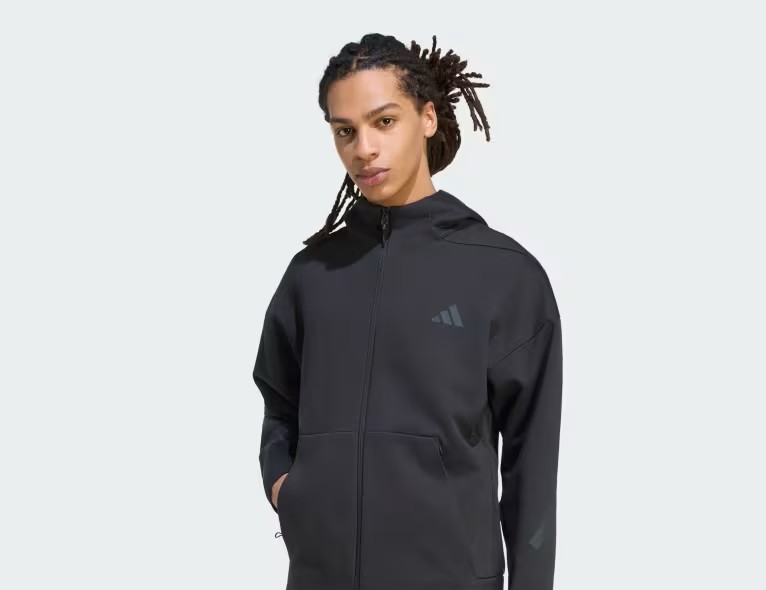
Adidas occupies a different space from Puma in the Indian market. Where Puma owns the performance narrative, Adidas has consistently leaned into street culture, design, and the lifestyle end of athleisure. Its collaborations, from Stan Smith editions to India-specific Diwali drops, have built a strong urban, fashion-forward audience that buys Adidas for aesthetics as much as function. The brand's YZY and Originals lines are particularly strong in metro markets, and its recent investment in women's athleisure in India has positioned it well for a demographic that represents the category's fastest-growing segment.
Wildcraft — The Outdoor-to-Athleisure Pivot
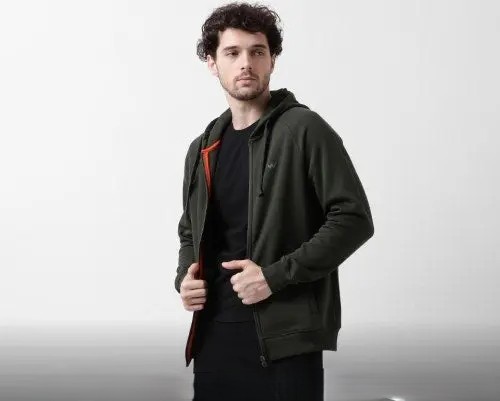
Wildcraft began as India's most trusted outdoor gear brand, but the last three years have seen a deliberate and largely successful pivot into athleisure. The brand's trail running shoes, trekking pants, and performance tees have found an audience that wears them far beyond the Himalayan trails they were designed for. The athleisure consumer's desire for clothes that look like they can handle a mountain, even if they're worn at a coffee shop, plays directly to Wildcraft's original brand identity. The pivot has been executed with enough design sophistication to avoid the functional-but-ugly trap that ends many outdoor brand athleisure attempts.
What Comes Next
The Indian athleisure market is entering a more competitive phase. one8's launch has raised the stakes for every brand in this category — if Kohli's brand succeeds at a global level, it will validate the entire Indian athlete-owned brand model and likely inspire a second wave of similar ventures. International brands like Nike, which still has a relatively limited direct-to-consumer presence in India compared to Puma and Adidas, are also watching.
The broader message is clear. Indians are not buying sportswear because they have suddenly all started running marathons. They are buying it because it looks good, feels good, and suits a lifestyle that increasingly refuses to choose between being comfortable and being stylish. The brands that understand this are building something that goes far beyond the gym.