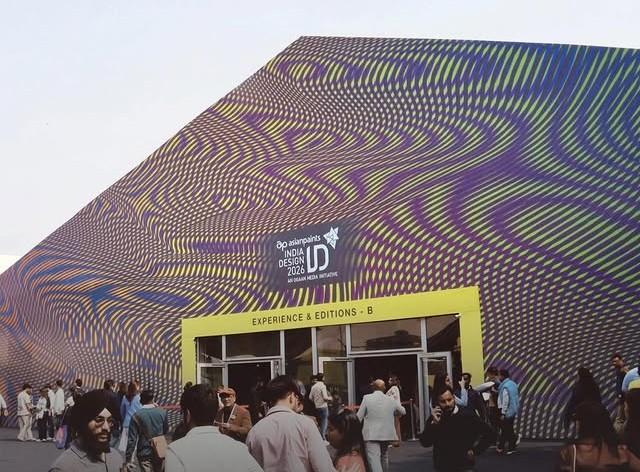
The 14th edition of Indian Design ID blended tradition and modernity under the theme of the Age of Syncretism. The exhibition has become the stage for over 150 prominent Indian and international artists to showcase their craft under one roof. The fair is held at NSIC, Okhla, Delhi, from 19 to 22 Feb, where discourse and creativity bloom through discussions on the design of the future. Besides this, the French Art de Vivre pavilion returns as one of the fair's central attractions by emphasising craftsmanship and creativity while showcasing its evolving design with a touch of tradition.
Theme: The age of syncretism
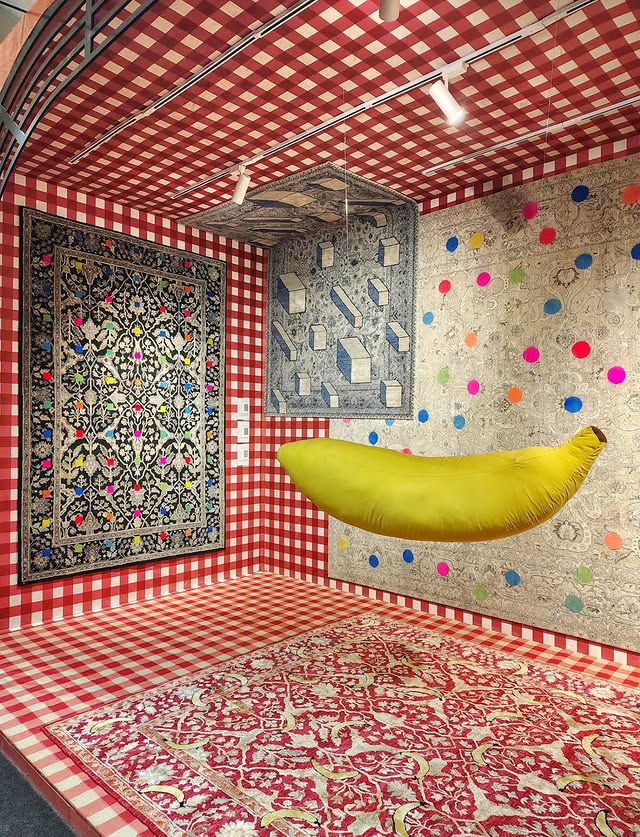
Honouring the theme's name, the Indian Design ID exhibition embodied the blend of heritage and innovation this year; local artisans brought designs that can keep up with the modern aesthetic while keeping tradition in mind, so people can resonate. Moreover, the emphasis has also been placed on sustainability, reflecting a mindset in which Earth is seen as a home above our personal space.
ID Salon at Bikaner House
The dream space for art lovers who don’t want to decorate but want to make a statement with their interior, this space offers solace. Filled with collectable designs such as limited-edition furniture, sculptural objects, and art-adjacent works, they suggest the surge in sophistication among people choosing interior design for their homes in India. Reflecting their interest in exclusivity over flashiness.
ID Symposium
Finding the right decor piece is no less than an activity of understanding literature, as both require a knowledge of the arts in their respective fields. Over the period, this fair became a stage for discourse among industry leaders, such as Mateo Kries, India Mahdavi, and Samuel Ross, on change and the future of design.
Marketplace & Learning
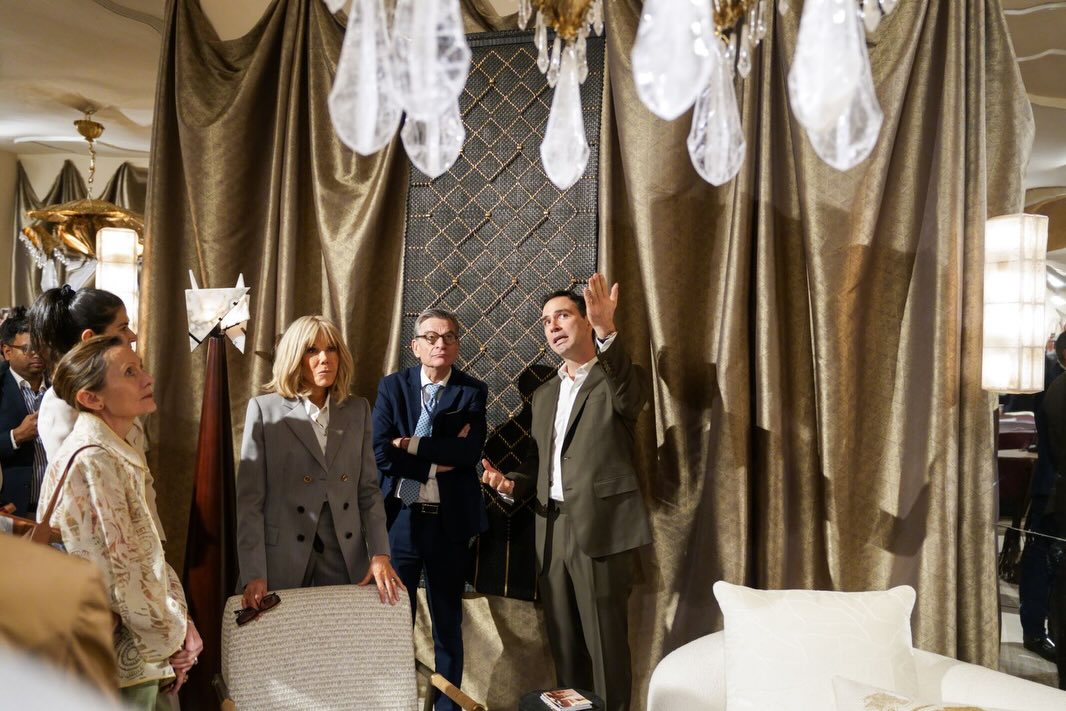
The fair doubled as a marketplace and classroom: many makers offered commissions and transparent pricing, while live demonstrations—block printing, natural-dye vats and quick furniture repair sessions—turned visitors into informed participants. Curatorial pairings between traditional artisans and contemporary designers produced hybrid materials and upcycling strategies that felt practical, not performative.
Verdict
This edition made syncretism tangible: a workable design approach that ties heritage to livelihoods and durability to desirability. Concise and convincing, the fair was essential viewing for anyone interested in where craft, commerce and conscience meet.
Image Credits: Instagram/@Indiadesignid