
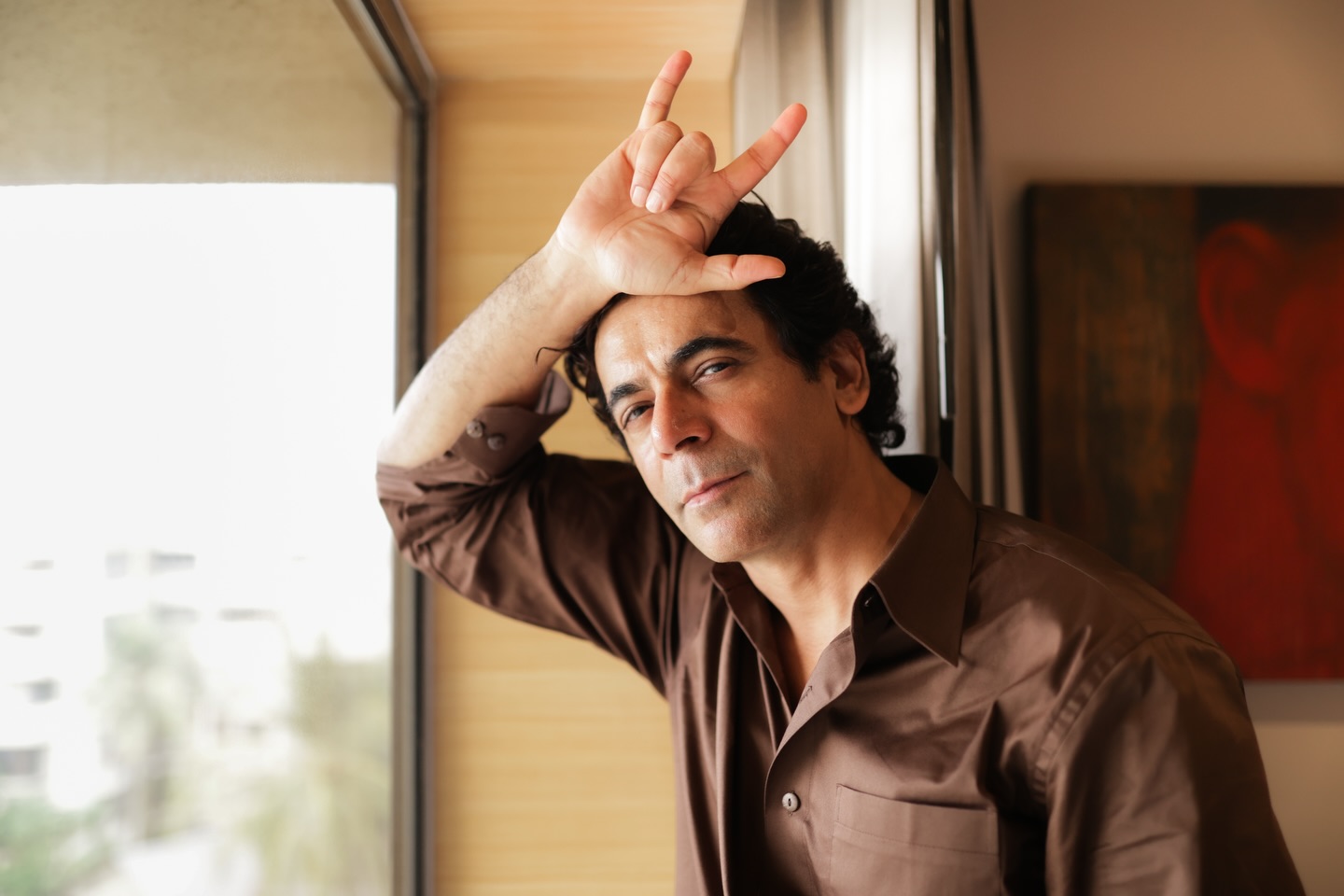
In an industry that often confuses noise with nuance, Sunil Grover stands apart — quietly, consistently, and almost defiantly. He is not merely a comedian. He is a shape-shifter, a storyteller, and perhaps one of the most underutilised actors of his generation.
Who is Sunil Grover? Beyond the Label of "Comedian"
To watch Grover perform is to witness a rare kind of artistic intelligence — one that understands not just humour but human behaviour in its most intricate, fleeting details. He possesses a quiet confidence, almost a stubborn refusal to blend into the noise that fills the entertainment industry. Sure, you can label him a comedian, but that label doesn't really cover it.
He is a shape-shifter, a storyteller — probably one of the most overlooked actors of his generation. Watching him on stage or screen, you see this strange kind of intelligence at work. It is not just about timing a punchline. It is about reading people, catching those tiny quirks, and capturing the fleeting ways we behave in ways that a camera rarely gets to see. His brilliance isn't loud — but it sticks with you long after the applause fades.
Sunil Grover's Mimicry: Interpretation, Not Imitation
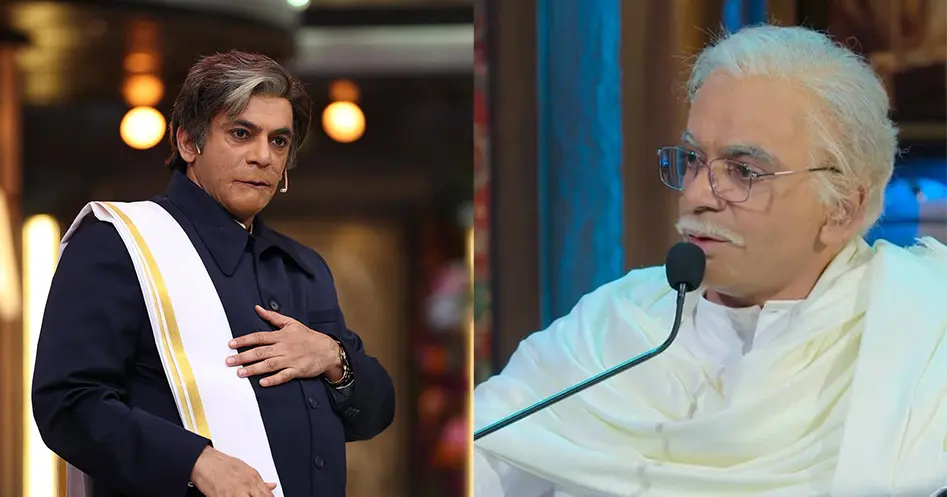
What truly makes Grover stand apart is not the act of mimicry itself but what he does with it. His impressions are not plain copying — they are interpretations. He doesn't replicate; he excavates.
Kader Khan — A Tribute Disguised as a Parody
Take his version of Kader Khan — not just a voice or a mannerism, but an emotional layer: the pauses, the tired weight in the delivery, the sense that the character has lived too much. It feels more like a tribute than a parody. There is a deep understanding at work — it almost feels like reverence.
Gulzar — Chasing the Soul, Not the Sound
When Grover slips into Gulzar's persona, it goes even further. He doesn't merely nail the accent or the pitch — he sinks into the silences, the gentle hesitations, and the quiet poetic rhythm that Gulzar is known for. He is not aiming for a perfect imitation; he is chasing the soul. And that is infinitely harder to pull off.
Govinda — Controlled Chaos
Even his take on Govinda is a masterclass. Govinda radiates wild, almost uncontainable energy. Grover catches that chaos but keeps it controlled — amplified just enough to land the laugh, never so much that it feels cartoonish. Beneath all the antics sits discipline, a technical rigour visible only to those paying close enough attention.
Iconic Characters: Gutthi, Dr. Mashoor Gulati & Bansuri
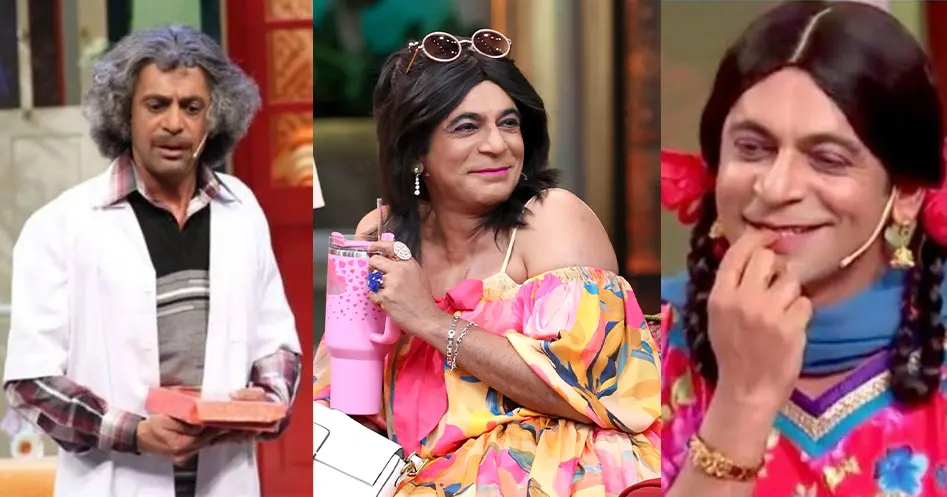
Despite his extraordinary range, Grover has repeatedly found himself boxed into formats that don't allow him to fully stretch. Television gave him fame, but it also gave him characters that, in lesser hands, would have remained one-dimensional. In Grover's hands, they became something entirely different.
Gutthi — Social Alienation Wrapped in Laughter
On paper, Gutthi is eccentric, awkward, even absurd. But in Grover's hands, she becomes a character full of longing, innocence, and a quiet ache for belonging. The way Gutthi introduces herself repeatedly, the slightly off-beat laughter, the exaggerated body language — these are not random quirks. They are carefully constructed behavioural patterns, almost like a study in social alienation wrapped in humour. You laugh. But somewhere, you also feel for her.
Dr. Mashoor Gulati — Theatre Disguised as Television Comedy
Dr. Mashoor Gulati thrives on chaos, yet is deeply rooted in a flawed sense of authority. Grover's comic timing is impeccable, but what elevates the performance is his control over rhythm. He stretches moments just long enough to build anticipation, then breaks them with unexpected punchlines. It is theatre disguised as television comedy.
Bansuri — The Evolution of a Mature Artist
Bansuri is perhaps Grover's most quietly subversive creation in recent times. Unlike the overt eccentricity of Gutthi or the flamboyant absurdity of Gulati, Bansuri operates in a more grounded, observational space. The humour doesn't explode — it seeps in. Grover plays Bansuri with a lived-in realism, allowing silences, glances, and micro-expressions to do the heavy lifting. It is almost cinematic in its approach. Bansuri signals Grover's evolution as an artist — less interested in instant applause, more invested in layered, lasting impact.
What Makes Sunil Grover Exceptional?
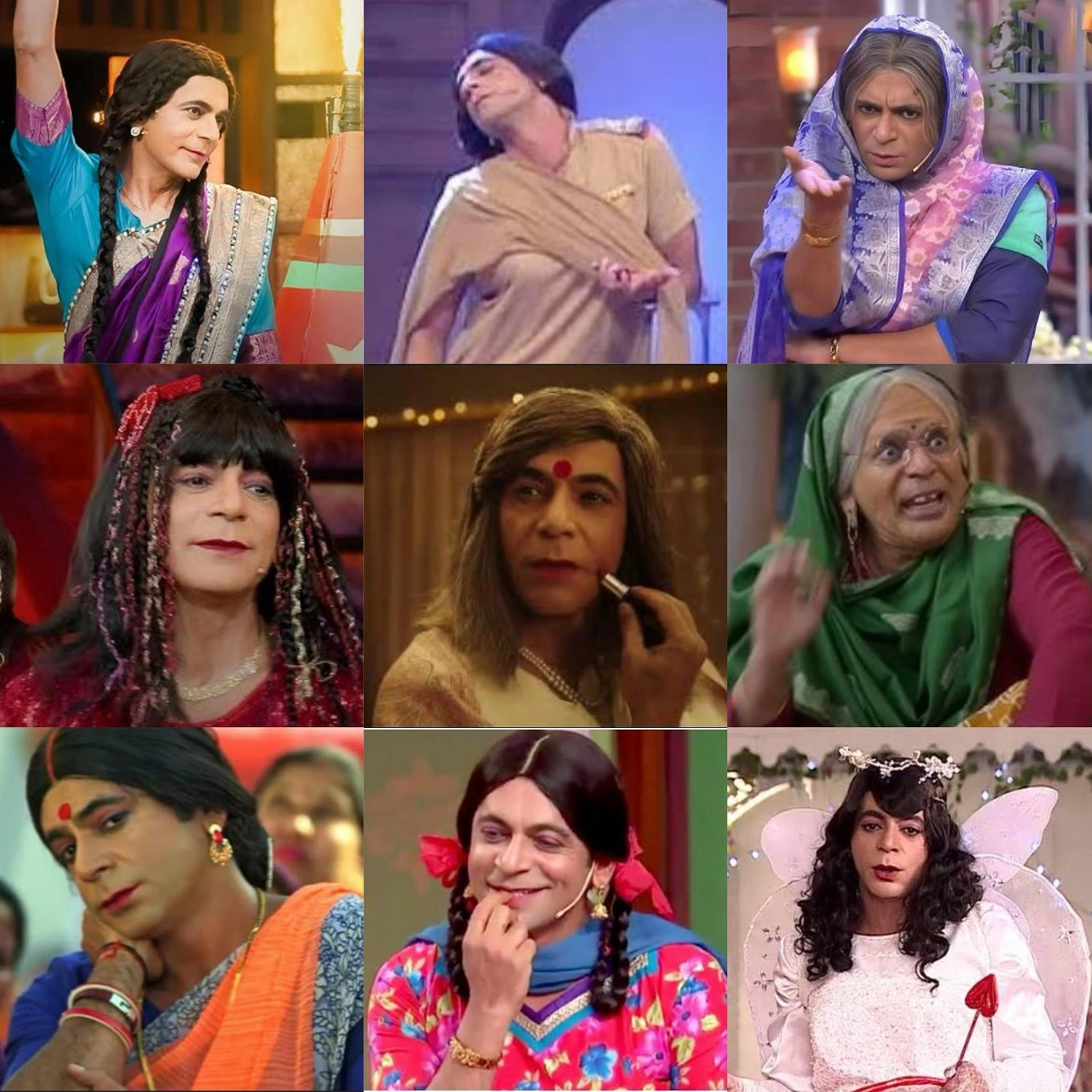
His mimicry is interpretive, not imitative — he captures the emotional truth of a person, not just the surface. Gutthi remains one of Indian television's most emotionally nuanced comic characters. Dr. Mashoor Gulati demonstrates a near-theatrical mastery of comic rhythm and timing. Bansuri marks a clear artistic evolution — restrained, cinematic, and deeply human. He is one of very few Indian entertainers who can move seamlessly between comedy and genuine dramatic depth.
The Quiet Frustration: India's Most Underrated Actor
People acknowledge his depth but rarely push him to explore it. Grover understands what comedy actually means — not just punchlines, but timing, empathy, and the ability to spot the weirdness in everyday life and hold up a mirror to it. He is much like those character actors who never quite become mainstream stars, yet redefine what the craft means. He doesn't push for attention; he earns it quietly.
Perhaps that is exactly why he slips under the radar. His brilliance isn't loud. It doesn't announce itself. But it sticks — the way a perfectly chosen word sticks long after louder, flashier sentences have dissolved.
He's not just in the industry. He's running alongside it, at his own pace, on a wavelength that most folks can't even hear — and even fewer can match.