Few foods have travelled as far and changed as much as sushi. What began as a humble preservation method in ancient Japan is today enjoyed in cities from New York to New Delhi, from Sao Paulo to Seoul. The story of sushi is really the story of how a dish can grow beyond its origins and find a home in kitchens and cultures all around the world.
Where It All Began
Sushi's earliest form, known as narezushi, was a way of preserving fish by packing it in fermented rice. The rice was not meant to be eaten. During the Muromachi period, people started eating the rice along with the fish, turning a preservation technique into a proper dish. By the Edo period, vinegar-seasoned rice replaced fermentation, making sushi quicker to prepare and far tastier. It was then that a chef named Hanaya Yohei invented nigiri, a hand-pressed mound of rice topped with fresh fish, which became wildly popular as street food sold from carts across Edo.
Sushi Steps Out of Japan
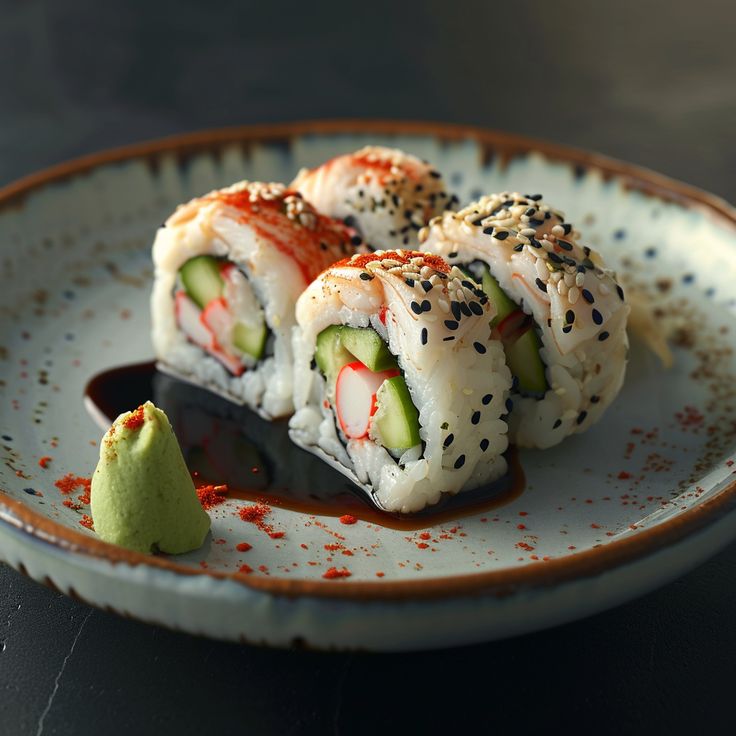
After World War II, sushi began appearing in the United States, driven by Japanese immigrants and growing curiosity about Japanese culture. The real breakthrough came in the 1960s with the California Roll, which swapped raw fish for cooked crab and added avocado and cucumber to suit Western tastes. For many people outside Japan, it was their first taste of sushi and opened the door to everything else.
Japan's mid-century economic expansion and aggressive global marketing of high-quality farmed fish helped sushi spread further. The introduction of farmed salmon in the 1980s was a particularly important moment. Conveyor belt restaurants made sushi casual and affordable, transforming it from a special-occasion meal into something everyday people could enjoy regularly.
Also Read: Craving Sushi? 5 Delhi NCR Spots That Deserve a Place On Your List
A Dish Shaped by Every Culture
Sushi adapted remarkably well to local tastes. In Brazil, it absorbed tropical flavours and cream cheese, becoming what locals call "Sushi a brasileira." Mexico added bold spices and jalapeños. South Korea developed Gimbap, its own rice roll tradition. Europe treated sushi as an upscale, gourmet experience. In India, vegetarian fillings like asparagus and cream cheese became popular, along with cooked seafood over raw fish, making sushi accessible to a much wider audience.
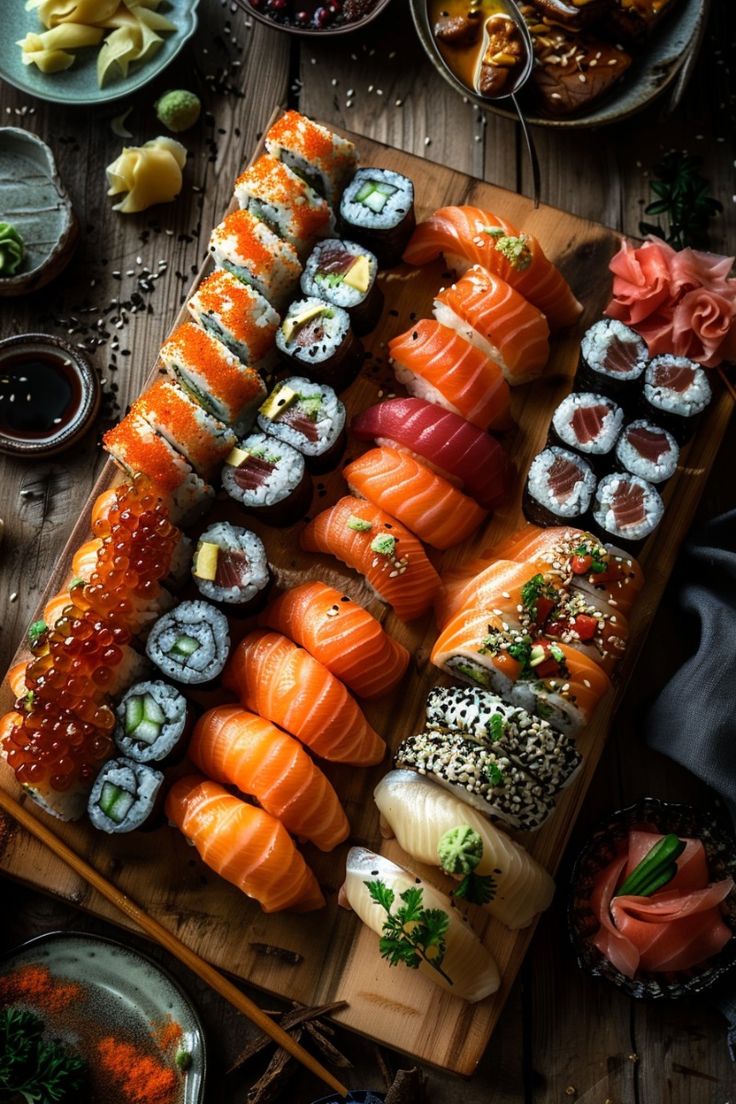
Today, sushi comes in many forms. Nigiri is the classic hand-pressed style. Maki is the rolled version wrapped in seaweed. Uramaki has the rice on the outside. Temaki is a cone-shaped hand roll. Chirashi scatters fish over a bowl of rice. And creative modern takes include the Philadelphia Rolls, Dragon Rolls, Spicy Tuna Rolls, and even the Sushirrito.
The Craft and Culture Behind Sushi
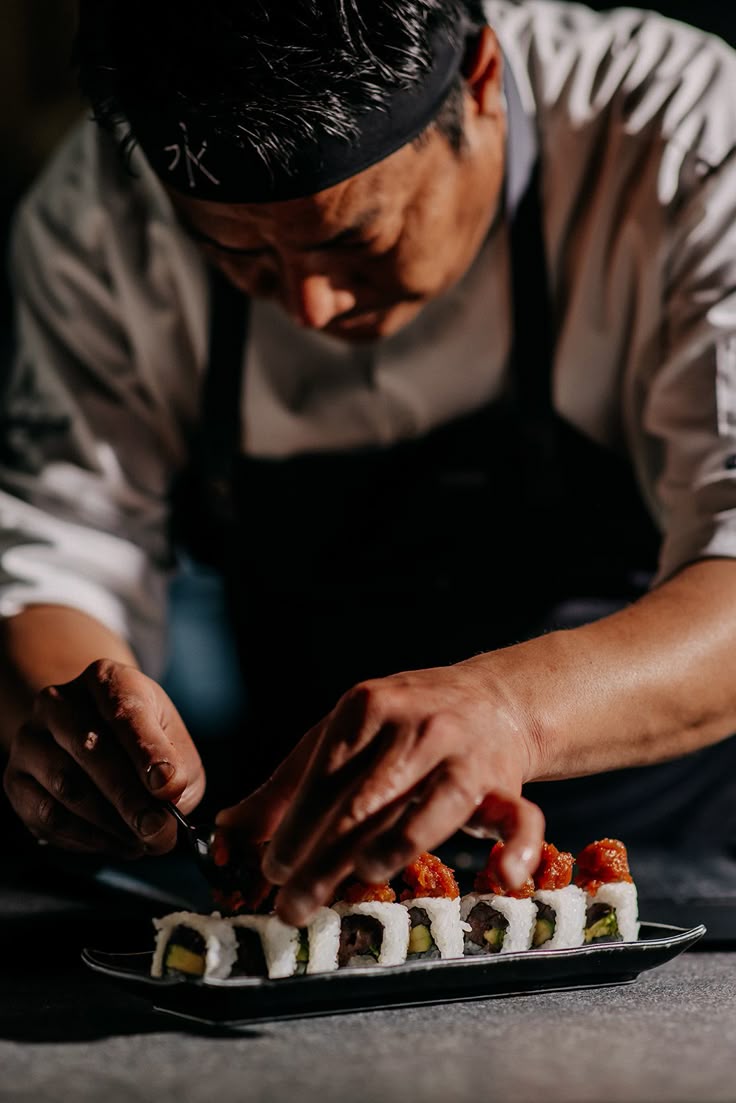
Traditional sushi chefs spend years perfecting their craft. The rice is considered just as important as the fish, and great sushi begins with getting it right. Eating sushi also comes with its own etiquette. In Japan, nigiri is eaten with the fingers. Soy sauce goes on the fish, not the rice. Ginger is for cleansing the palate between pieces, not topping the fish.
Beyond the craft, sushi is celebrated for its health benefits. It is low in calories, high in protein, and rich in omega-3 fatty acids from fishes like salmon and tuna. The natural portion sizes also make it easy to eat mindfully.
A Dish Without Borders
The spread of sushi has done more than put raw fish on tables worldwide. It has changed how people relate to Japanese culture, acting as a window into Japan's values of precision, freshness, and simplicity. Sushi succeeded globally not by staying exactly the same, but by being willing to change while holding onto what made it special. Whether you are eating a perfectly crafted nigiri in Tokyo or a spicy cream cheese roll in Brazil, you are part of one of food history's most remarkable journeys.