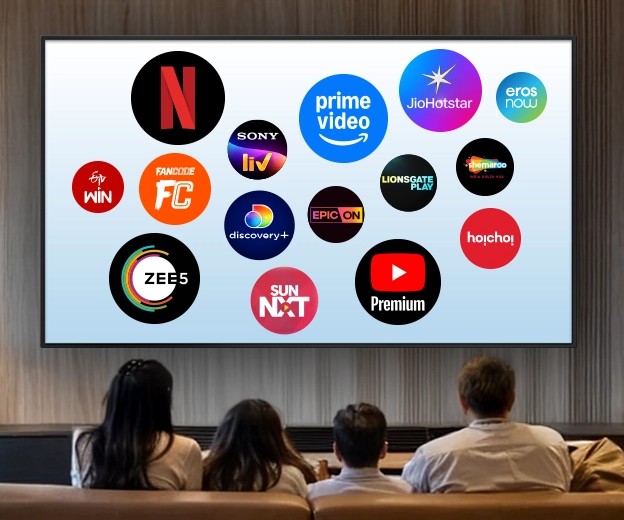
Bollywood, known for producing more films annually than any other film industry in the world, is witnessing a change in viewer behaviour. The surge in the number of OTT audiences offers much of the experience once only available in theatres, posing a question: does OTT undermine theatrical releases and contribute to their decline, or has it brought a revolution that gives viewers the power to embrace creativity and move away from mediocrity?
The paradox — India's biggest theatrical year ever — happened during the OTT boom
An interesting paradox in this debate surfaced when India's overall box office collections in 2025 crossed the ₹13,000 crore milestone, making it the biggest theatrical year on record. This offers a clear picture: even with more than 500 million Indians using streaming platforms, theatres continue to hold their ground, reinforcing the idea that audiences still prioritise films with a good story, strong character development, and immersive visuals.
Though theatre visits have declined over the years, viewers have become more careful with their choices and prefer to watch standard drama, comedy, and romantic films at home on streaming platforms. This has mostly affected mid-budget films, which often rely on formulaic storytelling.
Whereas we also continue to see long queues and excitement among audiences for theatrical releases that promise a grand cinematic experience. Movies like Kantara, Chhaava, and Dhurandhar are among the films that have generated strong theatrical buzz. Their visuals, music, and storytelling make the theatre experience far more immersive than what an OTT platform can offer. However, creating such films requires a massive budget. In 2025, 37 Indian films crossed the ₹100 crore budget, compared to 22 films in 2024, highlighting the growing dominance of large-scale theatrical releases.
How OTT changed what Indians actually watch
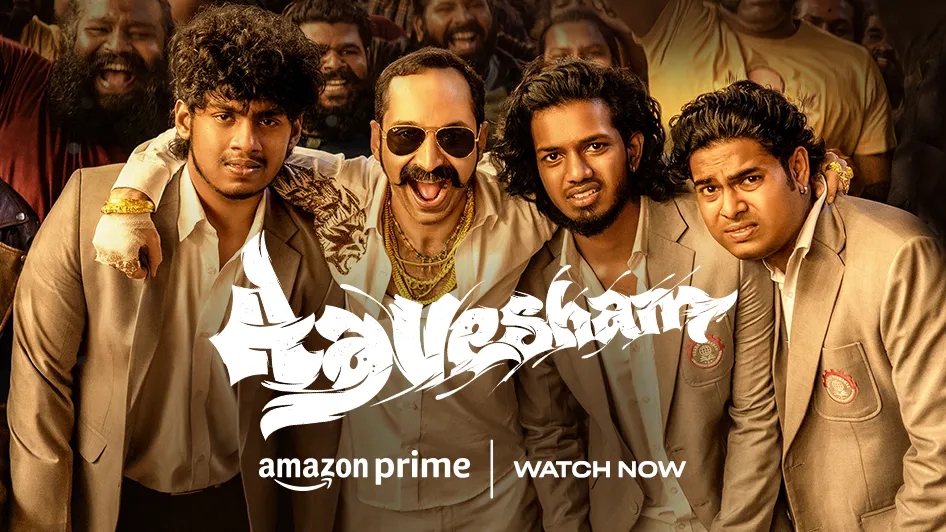
OTT has created a democratic space for films and series, giving Indian regional cinema—including Malayalam, Marathi, Kannada, Tamil, and Telugu productions—a platform to showcase their work. Earlier, only a few South Indian films starring major actors were dubbed into Hindi, often with limited accessibility. Today, audiences have the freedom to watch films and series from across India with subtitles or dubbed audio, allowing them to be recognised for their storytelling and character development.
Besides that, OTT platforms have given audiences the freedom to explore genres such as crime thrillers, horror, and stories dealing with mature themes that are often difficult to present in theatres because of certification restrictions or commercial limitations. Furthermore, they have extended opportunities for both actors and creators to experiment with long-form storytelling, as viewers are now willing to invest six to eight hours in a series with an excellent story and performances. Mirzapur, Asur, and Paatal Lok have proven this by offering not only gripping plots but also memorable characters that became defining performances in many actors' careers.
The South Indian revolution — and why OTT platforms prefer it over Bollywood
South Indian cinema has overtaken Bollywood in terms of OTT acquisitions, with around 60% of major film acquisitions in 2025 belonging to South Indian productions. This reflects the growing demand for South Indian films because of their stronger audience retention and completion rates, areas where many Bollywood films have struggled due to weaker storytelling and character development.
The rapid improvement in dubbing technology and the introduction of AI-assisted localisation have further helped regional films reach audiences across the country. Moreover, streaming platforms have reached saturation in Tier 1 cities and are now looking to expand their user base in Tier 2 and Tier 3 cities. Regional cinema, particularly Malayalam and Tamil films, often explores heartwarming slice-of-life stories as well as high-quality action films that resonate with audiences. Unlike Bollywood's dependence on familiar formulas, these industries frequently experiment with storytelling. Instead of spending excessively on star power, many filmmakers invest in writers, cinematography, and visual effects, reducing risk by focusing on the overall quality of the film rather than just big faces.
Who is actually making money — and how the economics changed

Earlier, films featuring major stars often secured lucrative OTT deals even before their theatrical release. Today, the focus has shifted towards result-driven films rather than star-driven films. Mid-level producers, who mostly relied on ₹30–40 crore comedy and romance films, have suffered the most, as viewers now prefer to visit theatres only for an immersive cinematic experience, something usually offered by large-scale productions.
Instead of acquiring films in bulk, streaming platforms have become more selective. They now prefer paying premium prices for films that perform well theatrically while avoiding hefty payments for underperforming titles. Among the biggest beneficiaries are multiplex chains, which have increased their profits through premium formats and food and beverage sales, with luxury theatre tickets often costing between ₹800 and ₹2,000. This shift has also benefited directors, cinematographers, VFX artists, and technicians, whose work plays a crucial role in enhancing the theatrical experience.
Gone are the days when major stars took away a significant portion of a film's budget without sharing the financial risk. Today, several leading actors are increasingly opting for profit-sharing or performance-based compensation models, allowing them to share both the profits and the losses with the producers.
Verdict
OTT has not replaced theatres; it has changed the way audiences consume entertainment. While streaming platforms have become the preferred destination for everyday viewing, theatres continue to thrive as the home of grand cinematic spectacles. For Bollywood, the future lies not in competing with OTT but in understanding what each platform demands. As audiences become more selective than ever, strong storytelling, originality, and meaningful cinema will ultimately decide which films succeed, regardless of where they are watched.