
There was a time when making coffee at home meant spooning instant granules into hot water and moving on with the day. That time is over. Walk into any millennial or Gen Z kitchen today and you might find a gooseneck kettle, a digital scale, a hand grinder, and a small collection of beans with tasting notes printed on the bag. Coffee has quietly become a hobby, and for many people, a small daily ritual worth slowing down for.
Beans With a Backstory
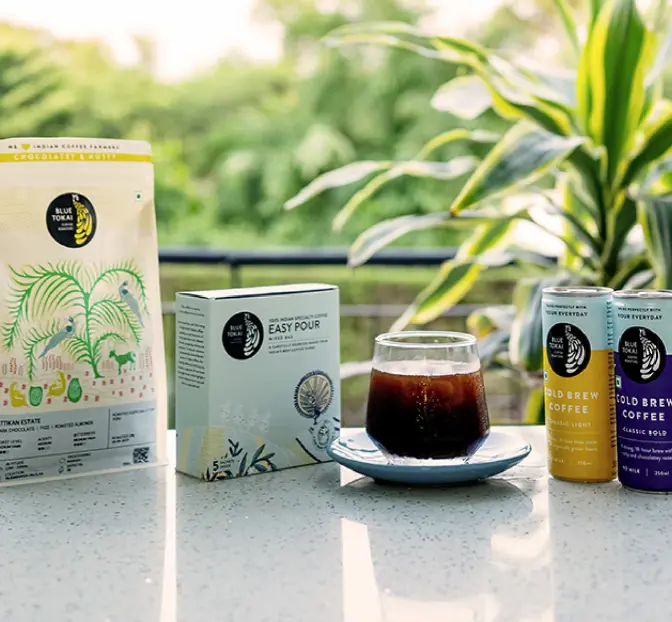
Part of this shift traces back to the growth of specialty coffee roasters who treat beans the way winemakers treat grapes. Brands like Blue Tokai helped popularize single-origin beans in India, printing details about the farm, altitude, and processing method right on the label. Suddenly, coffee wasn't just "coffee." It had a place of origin and a flavor story, and people wanted to taste the difference for themselves.
The Pour Heard Round Instagram
Instagram and YouTube turned brewing into something worth watching, not just drinking. Slow-motion pours over a Hario V60, the steady drip landing in a glass carafe, a Timemore grinder clicking through its settings—these clips are oddly hypnotic, and they made manual brewing look less like a chore and more like a craft. For a generation raised on aesthetics, a beautiful brewing setup on the counter became its own form of self-expression.
The Office Moved Into the Kitchen
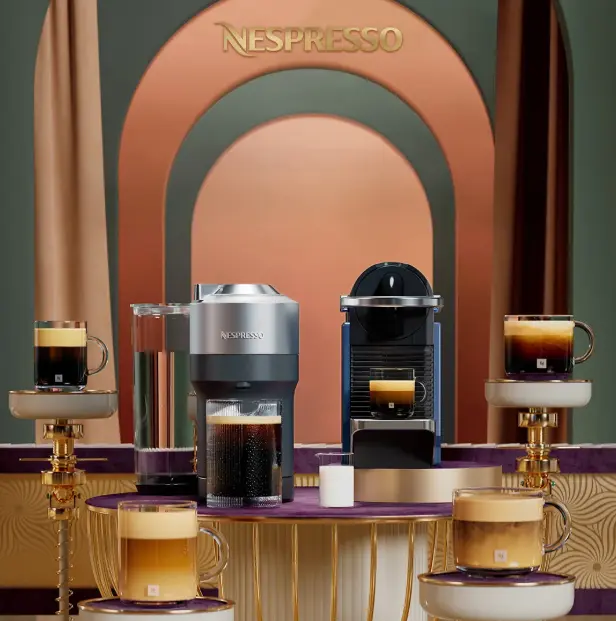
When home became the office, the neighborhood coffee run stopped being convenient. People started recreating that café moment for themselves. Some leaned toward speed and consistency with capsule machines like Nespresso, while others invested in compact espresso machines from De'Longhi to pull their own shots between meetings. Either way, coffee became a built-in break, a few minutes carved out of the workday that belonged entirely to the person holding the cup.
Five Ways to Chase the Perfect Cup
As interest grew, so did curiosity about method. The V60 pour-over rewards patience and control, letting drinkers adjust pour speed and water temperature to shape the final flavor. The AeroPress appeals to people who want something fast, portable, and nearly foolproof, which is why it travels well and shows up in dorm rooms and camping trips alike. The French press suits those who prefer a fuller, heavier-bodied cup and don't mind a bit of sediment. The Moka pot brings old-world charm and a strong, espresso-like concentrate to home cooks, often the same people who grew up watching it hiss on a stovetop. And for those chasing café-quality shots, home espresso machines have become the ultimate hobbyist upgrade.
Grind Size Is the New Small Talk
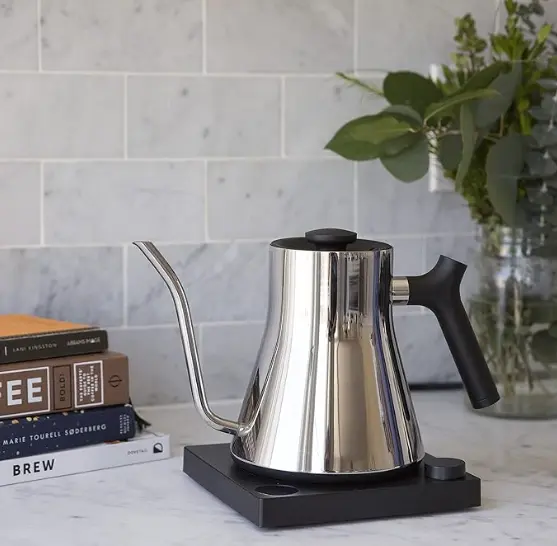
What ties all of this together is attention to detail that didn't exist in most homes a decade ago. People now think about roast profiles, not just roast levels. They care whether Blue Tokai beans are washed or natural, light or dark, and which estate they came from. Grinders from Timemore or Fellow let them dial in grind size the way they once adjusted a car stereo, tiny tweaks for a noticeably different result. Tools like the Fellow Stagg kettle, with its precise temperature control, exist because home brewers finally wanted the same consistency a barista chases. Even homegrown equipment brands like Budan, known for moka pots and affordable espresso machines built for Indian kitchens, are part of this same appetite for better gear.
Home coffee brewing has become less about caffeine and more about the few unhurried minutes it takes to make it. In a world of instant everything, that pause has turned into the point.