Fashion has a way of circling back. What was once considered over-the-top or outdated always finds a new audience, and right now that audience is Gen Z. Bollywood's early 2000s style—bold, glittery, and unapologetically loud—is everywhere again. From rhinestone-studded tops to low-rise bottom wear, a whole generation that did not live through the Y2K era is wearing it like it was made for them.
The Fashion of an Era: What Y2K Actually Means
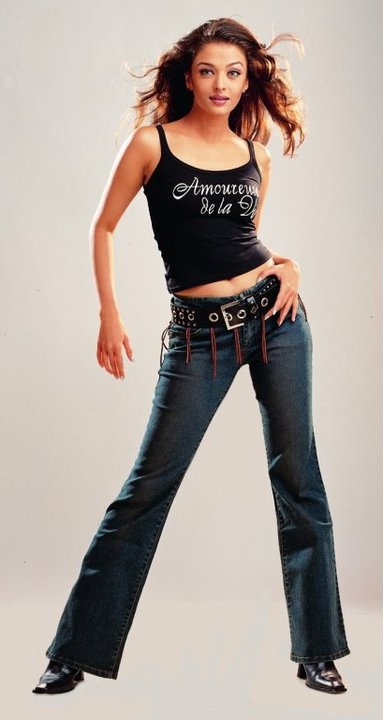
Y2K refers to the year 2000, but as a fashion term it covers the late 1990s through to the mid-2000s. It was an era defined by optimism and a very specific kind of maximalism. Low-rise jeans, metallic fabrics, butterfly clips, tiny tinted sunglasses, and crop tops that left little to the imagination. Everything was shiny and a little futuristic. It was fashion that wanted to be noticed.
In India, Bollywood was the engine that drove this aesthetic into everyday life. Long before Instagram and Pinterest, people took their style cues from their favourite actors on screen. The songs, the films, the magazine spreads, all of it fed into what people wore. The Y2K Bollywood look became a cultural moment, and decades later, social media has given it a loud and enthusiastic second life.
What Defined Y2K Bollywood Fashion
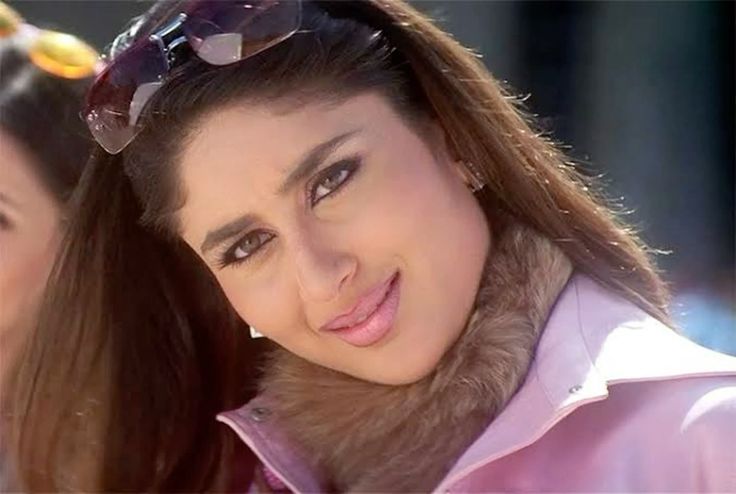
Y2K Bollywood fashion had a very clear visual identity, and a handful of actresses defined it completely. Kareena Kapoor's character Poo in Kabhi Khushi Kabhie Gham is perhaps the most iconic reference point of the entire era. Dressed in sequin crop tops, leather trousers, and animal prints, Poo made maximalism feel aspirational. Kareena also appeared in low-rise jeans paired with crop tops and chunky belts across several films, making her the undisputed style icon of the decade. Ameesha Patel in Kaho Naa Pyaar Hai similarly turned crop tops into a wardrobe essential, and the breezy, romantic looks from that film still feel strikingly wearable today.
Rhinestones and heavy embellishments were everywhere in this era. Rani Mukerji and Preity Zinta led the charge on the glittery side of things, with sequined lehengas, shimmery sarees, and metallic gowns becoming their red carpet signatures. Priyanka Chopra turned cargo pants and crop top combinations into a fashion statement, bringing a sense of confidence and edge to a look that could have easily felt casual. Meanwhile, Aishwarya Rai and Sushmita Sen popularised butterfly tops and halter necks, often adorned with rhinestones or bold prints, which became symbols of the glamorous, free-spirited image Bollywood projected in the early 2000s.
Beauty was just as bold as the clothing. Shilpa Shetty and Raveena Tandon were among the actresses who embraced frosted lips, glossy eyeshadow, and streaked hair in shades of red, blonde, and burgundy. These beauty choices were as much a part of the Y2K Bollywood look as the clothes themselves, and they are now making their way back into makeup trends as well.
Why Gen Z is Drawn to Y2K Bollywood Fashion
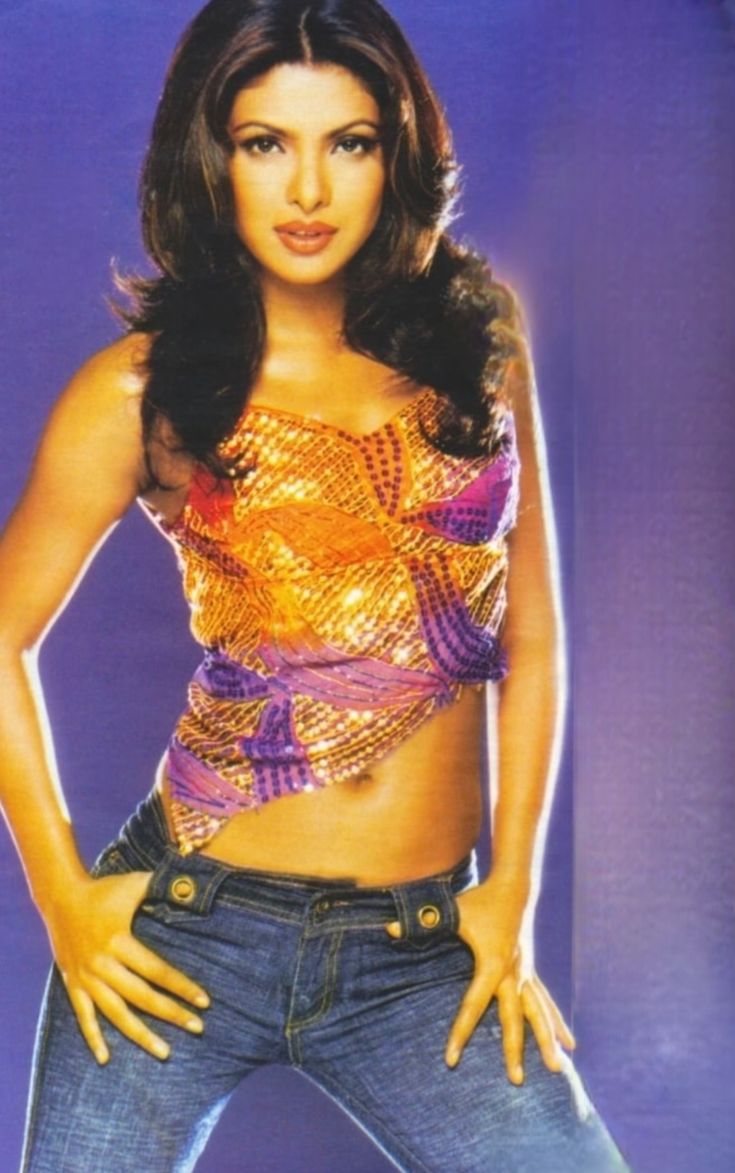
Image Courtesy: Pinterest/@Seerat
It might seem surprising at first. Gen Z did not live through the Y2K era. Most were toddlers or not yet born when these films released. So why does this aesthetic feel so personal and relevant to them now?
A big part of it is borrowed nostalgia. Growing up watching older siblings or parents enjoy this era, or stumbling across old Bollywood songs on YouTube, created a kind of secondhand familiarity. Clips of Kareena Kapoor in K3G or Priyanka Chopra in Aitraaz routinely go viral, racking up millions of views from people who were not even born when those films came out. There is something deeply appealing about a fashion era you did not personally experience but feel connected to through popular culture.
There is also a very deliberate rejection of minimalism happening. The clean lines and muted tones that dominated fashion through the 2010s started to feel a bit lifeless to a generation that grew up expressing themselves loudly online. Y2K fashion offered the complete opposite. It was maximalist, expressive, and fun. For Gen Z, wearing a rhinestone top or a pair of tinted butterfly frames is as much about identity as it is about style. The boldness that Aishwarya Rai and Sushmita Sen carried on screen feels like exactly the kind of energy this generation wants to channel in their everyday lives.
Gen Z is Not Just Copying, They Are Reinventing It
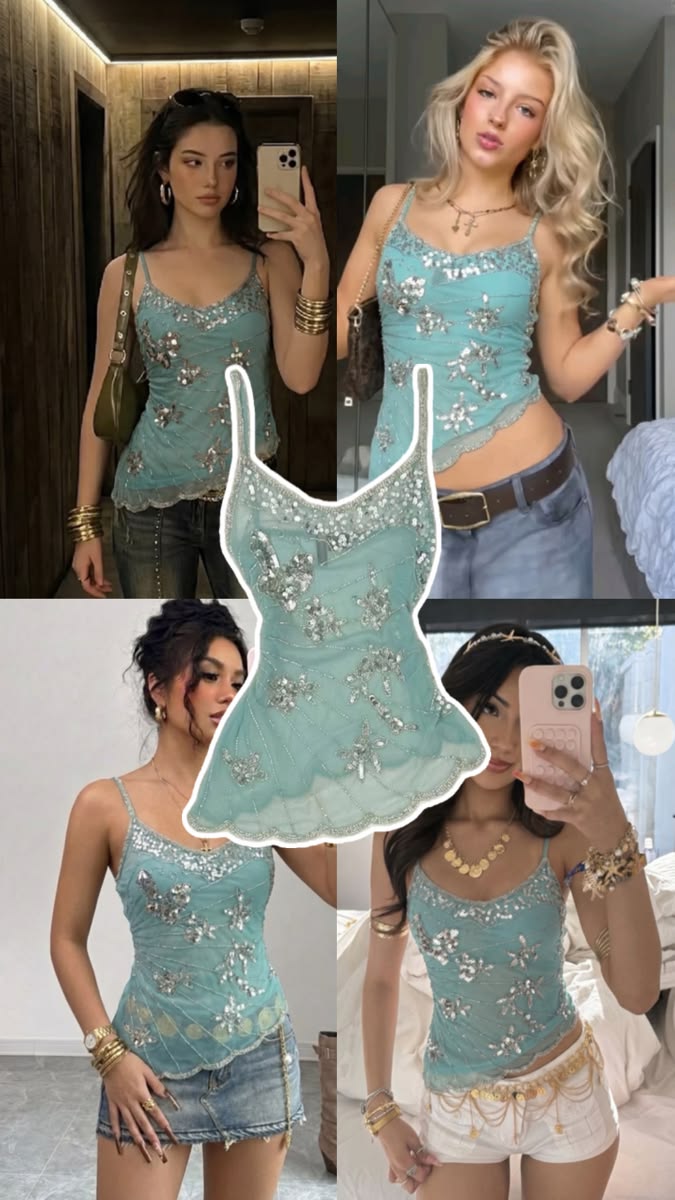
What makes this revival genuinely interesting is that Gen Z is not simply recreating old looks. They are putting their own stamp on them. The Poo look from K3G, for example, is not being replicated outfit for outfit. Instead, elements like the sequin crop top or the animal print co-ord are being picked out and styled with more contemporary pieces. Silhouettes have been updated. Fits are being thrifted and reworked. There is a sustainability dimension here too, with many young people actively choosing secondhand fashion over buying new, which gives the trend an ethical angle that fits naturally with how this generation thinks.
Fusion is central to the Gen Z take. The result does not look like a costume. It looks genuinely contemporary. Looks inspired by Preity Zinta's shimmery film wardrobes or Rani Mukerji's glittery red carpet moments are being reinterpreted in ways that feel both nostalgic and fresh.
How Bollywood's Influence on Fashion Has Evolved
For a long time, Bollywood's influence on fashion moved in one direction. A film released, people saw the looks, and those looks slowly filtered into markets and shops over the following months. The cycle was slow and driven entirely by what big stars wore on screen.
That model has changed completely. Today, the influence moves through social media first. A clip of Priyanka Chopra in Don or Aishwarya Rai in Dhoom 2 goes viral, someone recreates the outfit in a reel, it gets shared thousands of times, and suddenly it is a trend with its own momentum. This has made the whole process faster, more democratic, and harder to predict. Bollywood's past has become a living archive that Gen Z actively mines for inspiration, and the stars of the Y2K era have become fashion references in a way they probably never anticipated.
More Than Just Nostalgia
The return of Y2K Bollywood fashion is about more than just looking back. It speaks to something larger about how Gen Z relates to culture, self-expression, and identity. The looks that Kareena Kapoor, Priyanka Chopra, Aishwarya Rai, and their contemporaries wore on screen two decades ago have outlasted changing trends and an entirely new media ecosystem because they carried something beyond clothing. They carried a feeling of boldness, colour, and confidence that clearly still resonates.
And that feeling translates just fine to a generation that never saw those films in theatres but knows every iconic frame from a clip on their phone. If anything, the distance makes it feel even more