Every year, as the flames of Holika Dahan rise into the night sky, we retell the ancient story of Prahlad—the child who stood firm in his faith—and Holika, whose arrogance led to her downfall. It is easy to treat this as just another mythological victory of good over evil. In a world so steeped in division and nihilism, there is a sense in which this story is less folklore than it is a reflection of our time.
Prahlad of the modern world
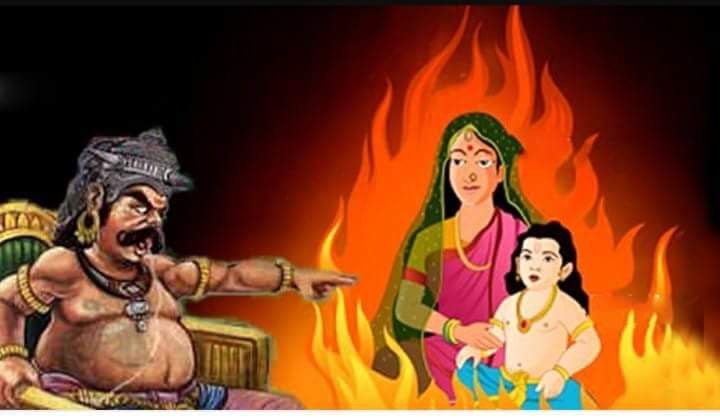
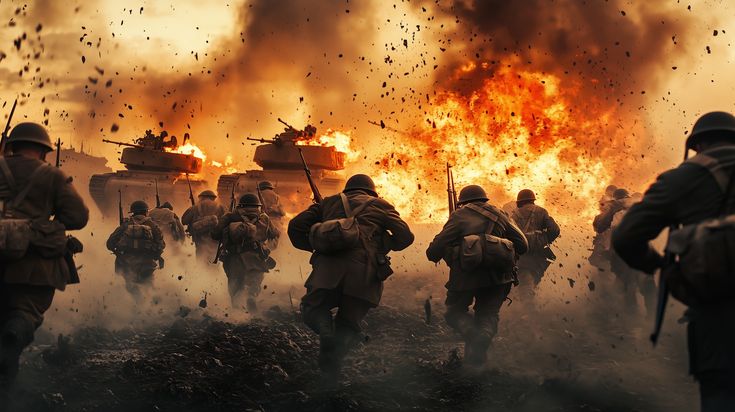
We live in an era in which what we think of as honesty today is a fragile concept, one that seems almost naïve. Wars continue to rage in countries around the world, while political discourse has never been sharper, and the number of people being deceived through the rapid dissemination of misinformation continues to grow exponentially faster than those who receive accurate information. The individuals who choose to maintain their integrity often pay a very high price. In many ways, Prahlad continues to be "in the fire" — remaining calm, fully committed to his convictions, and surrounded by forces that wish to stop him from speaking out.
Holika: Embodiment of human vices
In today’s view, Holika does not exist as a single entity. Rather, her presence can be seen in systems that reward manipulation over merit, in places that suppress dissent from those in power, and in the normalisation of ethical compromise. Holika's existence is manifested whenever might is confused with right. The tragedy of Holika's existence does not lie in her existence per se — it lies in humanity's ability to distinguish between them (good and evil) from one another. As per legends, Holika, in contemporary terms, is not a single villain. She lives in systems that reward manipulation over merit, in power structures that silence dissent, and in the quiet normalisation of ethical compromise. She appears whenever might is mistaken for right. The tragedy is not that Holika exists — history has always had its share of her — but that she often appears to be winning, at least in the short term.
And hope, like Prahlad, is stubborn.
It survives in small acts of courage — in dialogue instead of division, in empathy instead of enmity, in rebuilding after destruction. Even between nations locked in conflict, the human instinct to heal, negotiate, and restore eventually re-emerges. History, despite its cycles of violence, repeatedly shows us that destruction burns fast, but endurance lasts longer.
Embracing the fire of hope over engulfing in flames of wickedness
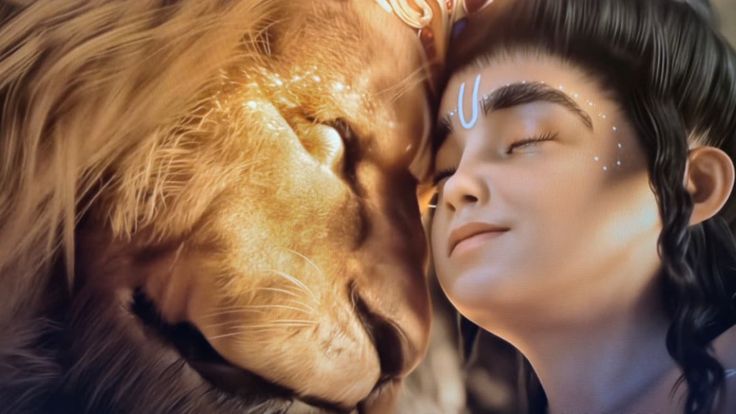
As we mark Holika Dahan in our contemporary moment, perhaps the question is not whether evil still exists — it clearly does. The real question is whether we still have the patience and conviction of Prahlad.
Because in a world that often feels engulfed in flames, hope may be the only fire that truly deserves to keep burning.
Image Credits: Pinterest