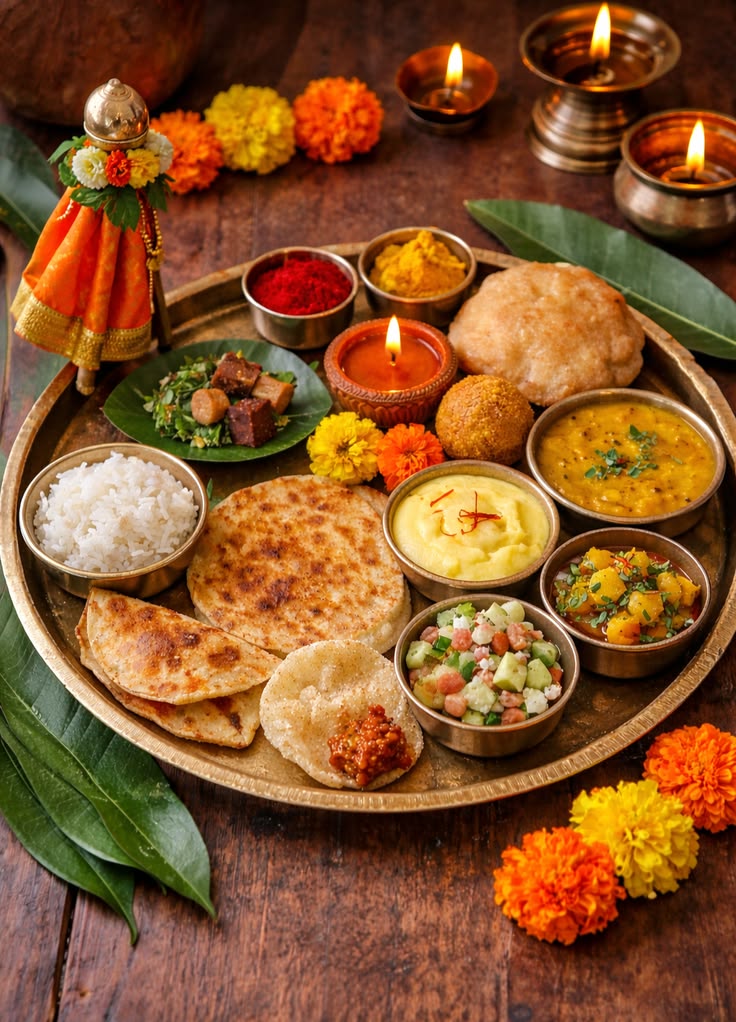
Gudi Padwa marks the beginning of the Maharashtrian New Year, bringing with it a feeling of new beginnings, hope, and quiet happiness. Celebrated mainly in Maharashtra and Goa, the festival welcomes spring with simple yet beautiful traditions; homes are cleaned, rangolis brighten the entrances, and the gudi is hoisted outside as a symbol of positivity and prosperity. It is one of those days where culture and emotions come together so naturally. Like every Indian festival, food becomes an important part of the celebration, bringing people closer and reflecting the many flavours of life itself.
Here are five dishes which truly make a Gudi Platter feel festive, each one capturing the essence of the festival in its own way.
Ugadi Pachadi: Why is Ugadi Pachadi eaten on Gudi Padwa?
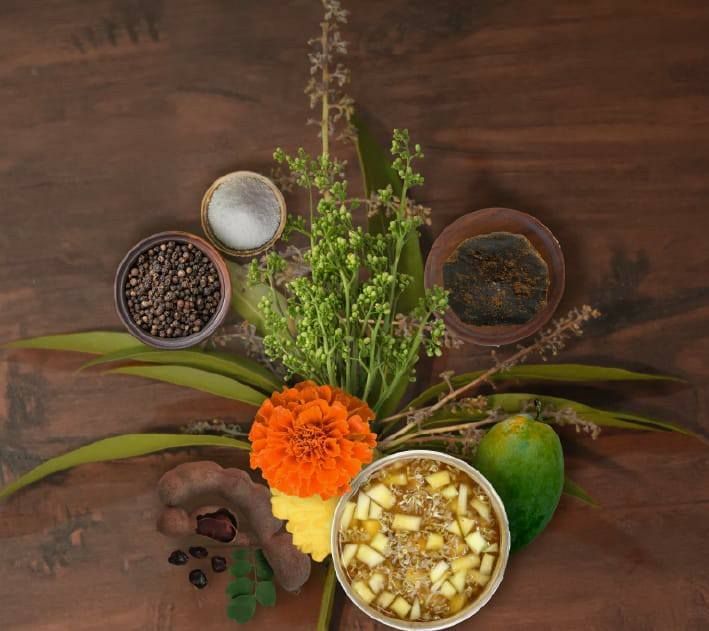
Ugadi Pachadi is not just a dish; it is a reflection of life in a single bowl. Made with a unique blend of six flavours—sweet, sour, bitter, spicy, salty, and tangy—it symbolises the many emotions we experience through the year. The bitterness of neem, the sweetness of jaggery, and the tang of tamarind come together in a way that feels both unusual and meaningful. It is often the first thing tasted on this day, serving as a gentle reminder to embrace every moment, just as it comes.
Puliogare: Gudi Padwa rice dish
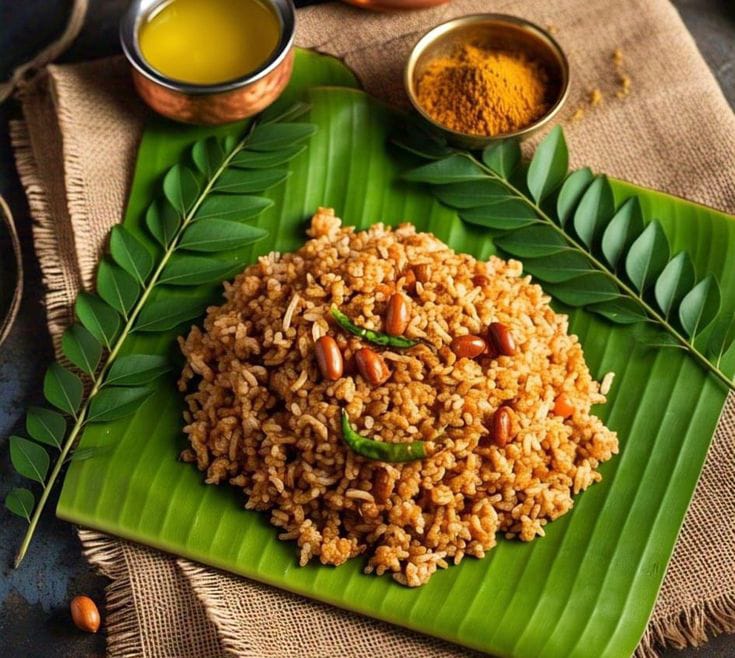
Puliogare, or tamarind rice, brings a familiar comfort to the festive platter. Its tangy flavour, balanced with spices and the crunch of peanuts, makes it both simple and deeply satisfying. Prepared in many households during celebrations, it carries a sense of warmth and familiarity like a dish that has been passed down through generations, unchanged yet always loved.
Bobbatlu (Obbattu): Gudi Padwa sweet dishes
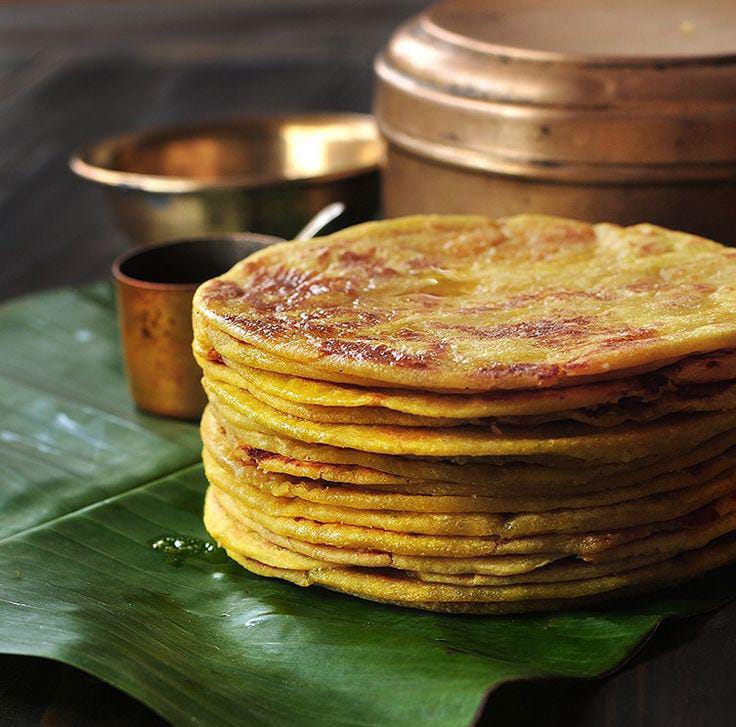
Soft, golden, and delicately sweet, Bobbatlu is one of the most cherished festive treats. Stuffed with a rich filling of jaggery and lentils and cooked gently on a pan with ghee, it melts in the mouth with every bite. Known as 'obbattu' in some regions, it is a symbol of celebration, often made with care and shared with loved ones.
Payasam: recipe for festivals
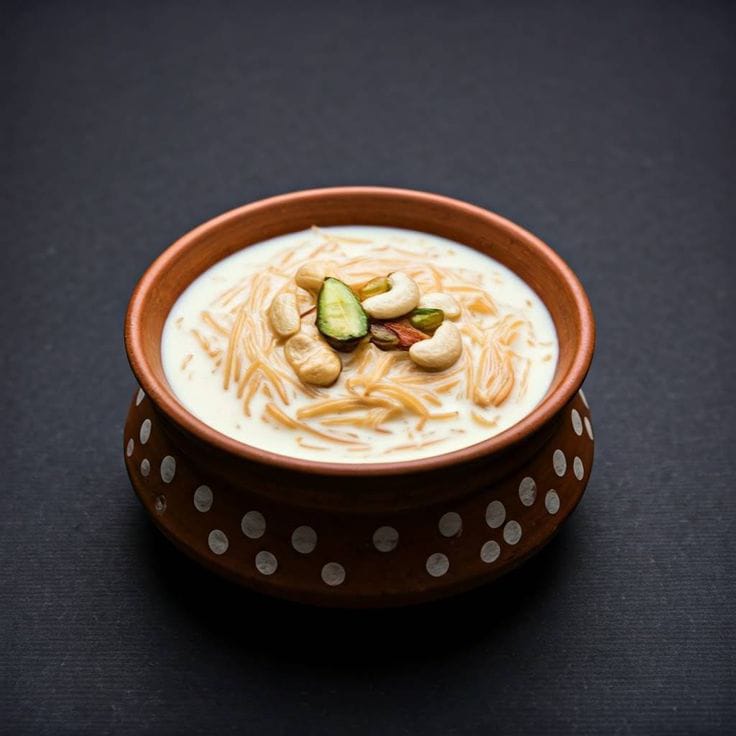
No festive meal feels complete without Payasam. Creamy, fragrant, and lightly sweet, it brings a sense of comfort that lingers beyond the meal. Made with milk, vermicelli or rice, and enriched with nuts, it carries the essence of celebration in every spoonful. It is the kind of dish that feels both indulgent and nostalgic, often reminding one of family gatherings and shared moments.
Kosambari: Healthy Gudi Padwa dish
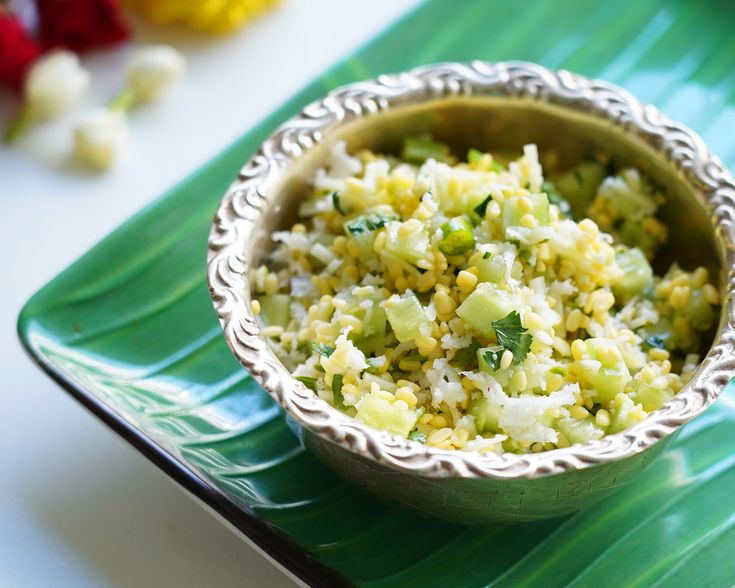
Amidst the rich and festive flavours, Kosambari adds a refreshing balance to the platter. Light, wholesome, and subtly flavoured, it is made with lentils, fresh vegetables, and a hint of seasoning. Its simplicity stands out, offering a moment of calm between the more indulgent dishes. It completes the meal, not by overpowering it, but by quietly bringing everything together.
A Celebration Beyond the Plate
Gudi Padwa is how we start anew, holding on to hope while embracing everything life brings along the way. The festive platter, with its blend of flavours, becomes a quiet reflection of this thought. Each dish, whether sweet, tangy, or simple, carries a story of tradition, care, and togetherness. It is in these small, shared moments—sitting together, serving one another, and savouring familiar tastes. Perhaps that is what makes Gudi Padwa so special, not just the rituals or the food, but the warmth and meaning they bring into our lives.