Monsoon brings relief from the heat, but it also brings its own set of health troubles. Here is a simple guide to keeping every part of your body in good shape through the rainy months.
Hair and Scalp

Humidity traps sweat and moisture on the scalp, creating the perfect ground for dandruff and fungal infections. Wash your hair more often than usual, dry it fully before tying it up, and avoid sharing combs or towels. If itching or flaking gets worse, an anti dandruff shampoo with ingredients like ketoconazole or zinc pyrithione can help, but a persistent problem is worth showing to a dermatologist.
Skin

The combination of sweat, humidity and pollution during monsoon often triggers acne and can worsen eczema. Stick to a light, oil free moisturizer and a gentle cleanser, and wash your face twice a day rather than over scrubbing it. Keep skin folds like underarms and behind the knees dry, since trapped moisture there invites fungal rashes.
Eyes

Waterlogged streets and stagnant puddles carry bacteria that can cause conjunctivitis, commonly called eye flu, which spreads quickly during this season. Avoid touching or rubbing your eyes with unwashed hands, skip sharing eye makeup, and wash your hands often. If your eyes turn red, itchy or watery, see a doctor rather than trying home remedies.
Feet
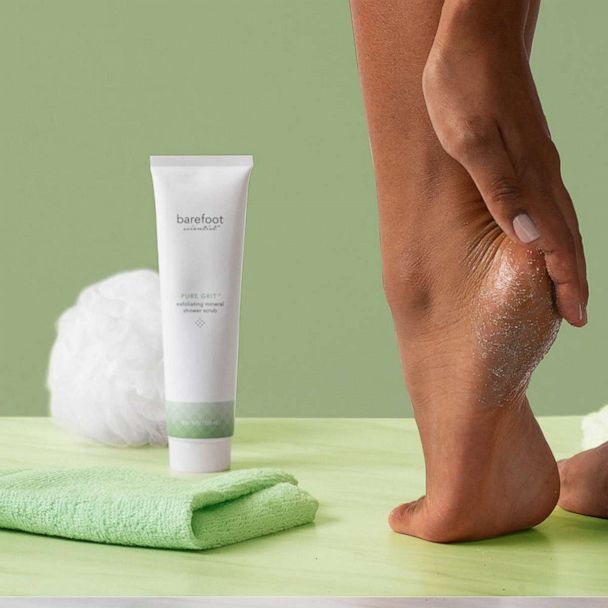
Feet spend hours in wet shoes and socks during monsoon, making them prone to athlete’s foot and blisters. Keep a spare pair of dry socks at work, dry your feet thoroughly after getting wet, and use an antifungal powder if you are prone to infections. Rubber or waterproof footwear helps more than canvas shoes that stay damp all day.
Gut

Waterborne illness peaks in monsoon, so food and water safety matter more than ever. Stick to boiled or filtered water, avoid cut fruit and street food that has been sitting out, and wash vegetables well before cooking. Staying hydrated still matters even though you may feel less thirsty in humid weather.
Sleep
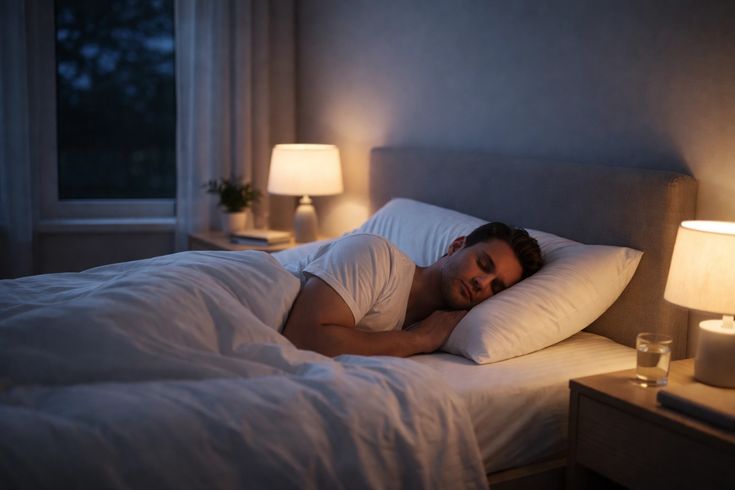
High humidity can make it harder to fall and stay asleep, since the body struggles to cool itself at night. A dehumidifier or a fan pointed away from the bed can help, along with lighter cotton bedsheets and nightwear. Keeping your room slightly cooler than usual often makes a bigger difference than any bedtime routine change.
Immunity

There is no single food or supplement that will monsoon proof your immune system, despite what many ads suggest. What actually helps is consistent sleep, regular meals with enough protein and vegetables, and staying active even when it is raining outside. Vitamin C and turmeric may support general health, but they are not a substitute for basic hygiene and rest, which do far more of the real work.