

While running an errand to stock up on monthly groceries for the household, the criteria for choosing each product that will go onto the plate have changed. Where accessibility and culture once mostly defined our choices, what lies beyond the surface has now emerged as a determining factor that has gone beyond a fleeting trend, busted many myths and brought about a systematic change not just in the consumer but in the market as well. And protein has turned out to be a leading factor among all these elements that are now shaping our eating behaviour. But what led to this change and has influenced the market while putting traditional food into a modern eating landscape? We will find out in this article.
The Reason Behind the Trend
The sudden shift in behaviour is more structural than fleeting. What earlier mainly remained important among gym-goers and athletes has now reached the common household. From post-pandemic awareness to extensive fitness influencer content on social media, label literacy among consumers has significantly grown. Now, the majority are looking for meals that not only quench their hunger but also offer essential nutrients like protein, which plays an important role in building and sustaining muscle in our body, along with several other functions such as repairing tissues, creating enzymes and hormones, supporting the immune system, transporting oxygen and nutrients, and keeping us full. This has now become common knowledge among people.
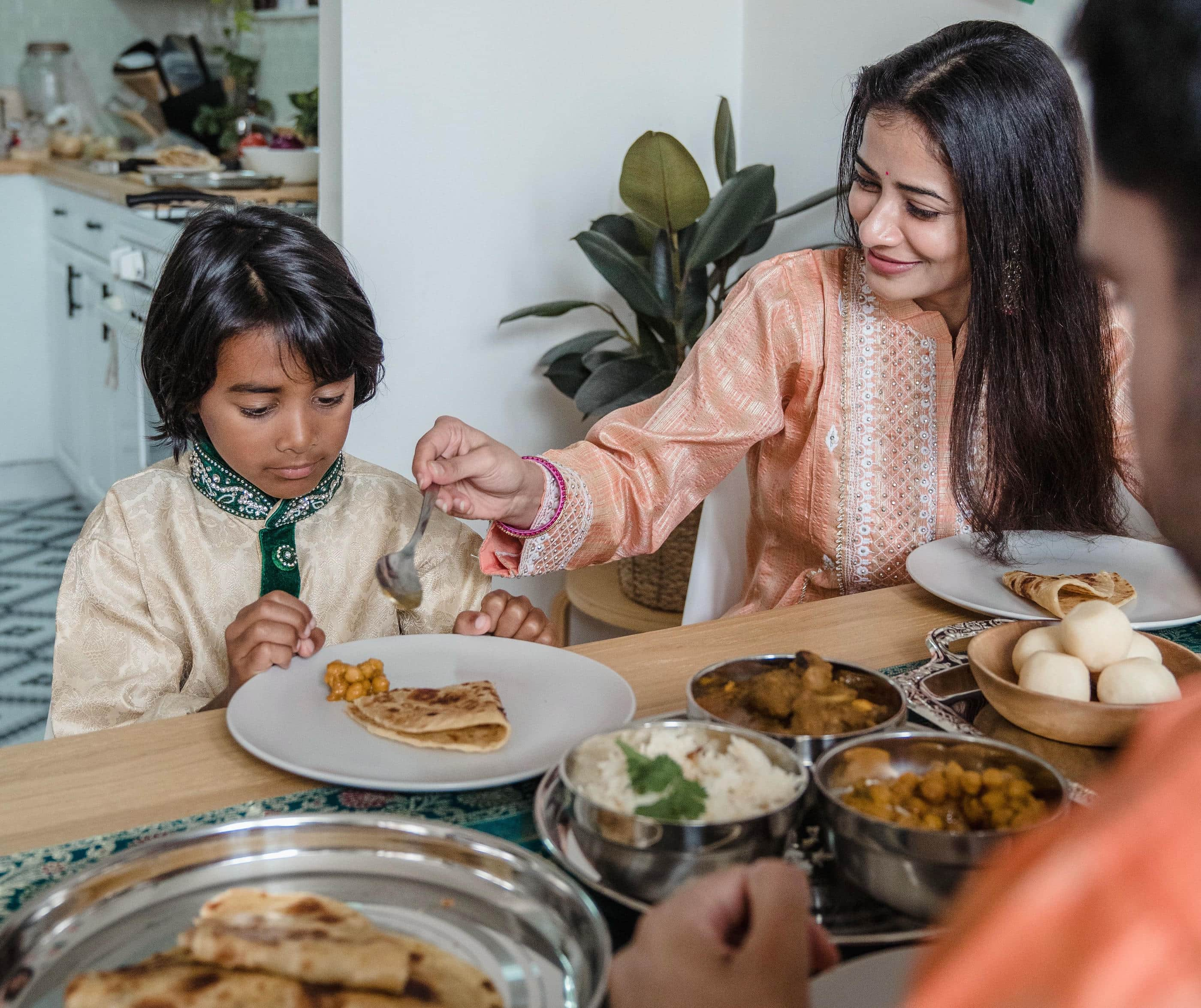
According to ICMR-NIN, the recommended dietary allowance for protein is 0.83 g per kg of body weight per day for healthy adults when the diet contains high-quality protein.
Besides this, another factor that seems to be a major contributor to the shift is the demographic change in India, where 27 per cent of the population is now Gen Z, who account for 35 per cent of consumption. For a generation whose life revolves around the internet, information and awareness are things they have always been fed, which has built their habits and enabled them to differentiate between quality and noise. No matter where they go—from cafés to restaurants to travelling—their choice of products always involves a meticulous inspection of the amount of protein and nutrition.
Breaking Myths With Balanced Meals
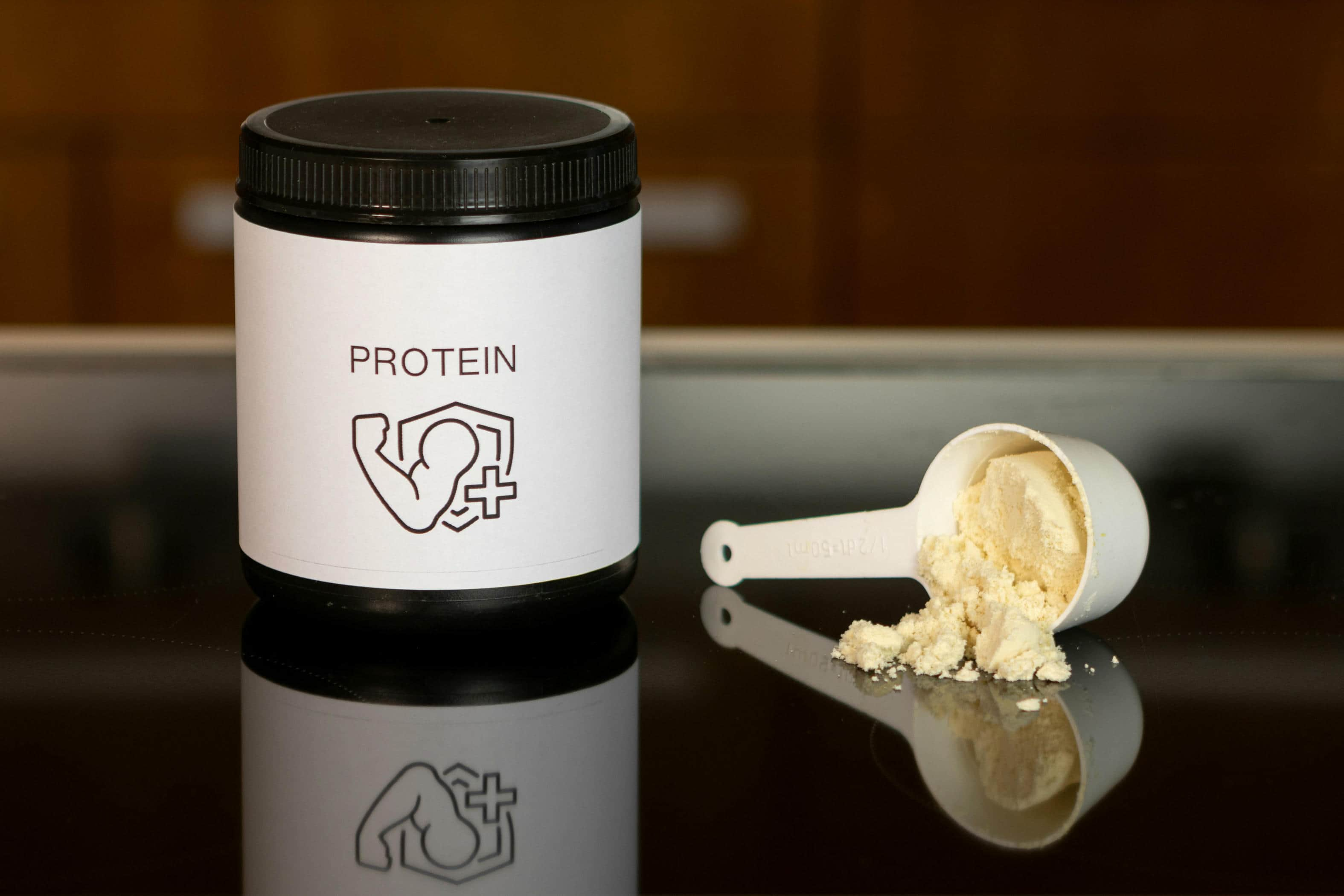
While the several options in food allow us to complete our daily protein intake, many people opt for protein powder to meet their needs. Protein powders may be useful in specific situations, but they should not replace balanced meals and should be chosen carefully based on individual needs and professional guidance. However, despite this, the myths related to the intake of protein powder prevent many from consuming it. As gyms and fitness have become a staple and the internet has reached every corner, many influencers are now using the platform to bust all these myths and even help consumers differentiate between good- and bad-quality protein. This has helped the masses to understand the concept where Protein alone does not build muscle; resistance training and overall nutrition matter to and vegetarians can meet protein needs with planned meals. So now, people do not see things just in black and white and believe in myths, but ensure that their every decision and belief stems from authenticity and facts.
Reinventing Food Culture, Not Replacing It
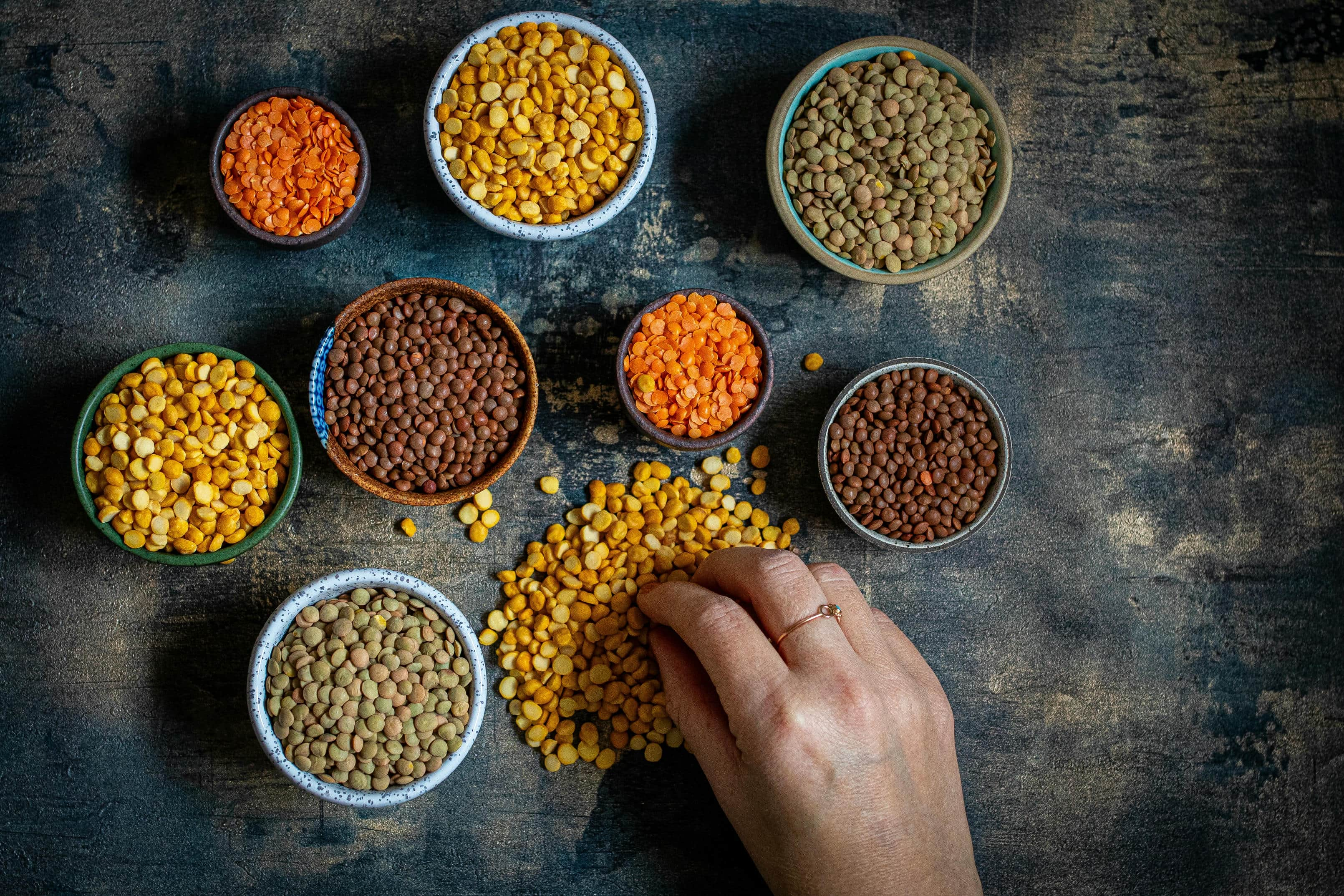
The focus on protein has not totally altered food culture; rather, it has brought us back to our roots, which might have been forgotten if awareness had not brought the nutritional value of such products to the surface. Millets, oats, quinoa, almonds, seeds and many more are now being reinvented by brands to cater to protein intake along with other nutrition, ensuring balance by keeping culture at the centre.
Final Thought
Protein has become more than a fitness trend; it is now shaping the way Indians think about food, health and everyday choices. From traditional ingredients like dal, curd, paneer and millets to modern products such as protein bars and shakes, the focus on nutrition is bringing both awareness and innovation into Indian kitchens. However, the goal should not be to chase protein at every meal, but to build a balanced diet that supports individual needs, lifestyle and long-term health. As consumers become more informed, the protein economy is likely to keep growing—not by replacing Indian food culture, but by giving it a more mindful and modern meaning.