Gen Z’s drink habits are changing fast. Instead of treating beverages as simple refreshment, many younger consumers now want drinks that support energy, focus, gut health, and even mood, which is why matcha, protein coffee, and functional drinks have become everyday favourites.
Why the trend is growing
A major reason is that Gen Z sees wellness as part of routine life, not a separate activity. Reports show younger consumers are actively choosing functional beverages for morning, afternoon, and social occasions, with matcha sales rising and interest in protein drinks also increasing. Gen Z is also more likely than older groups to swap coffee or alcohol for drinks that feel healthier and more intentional.
Another reason is identity. For many in this generation, drinks are not just about taste; they signal lifestyle, values, and self-image. Brands that look modern, feel clean, and offer visible benefits tend to perform better because Gen Z likes products that are both functional and expressive.
Why matcha works
Matcha fits the Gen Z mindset because it offers a smoother caffeine experience than coffee for many drinkers while also feeling premium and social media-friendly. It is associated with calm energy, wellness culture, and an aesthetic that photographs well, which makes it especially popular in cafés and on short-form video platforms. Industry reports also show rising demand for matcha as part of the wider functional drink boom.
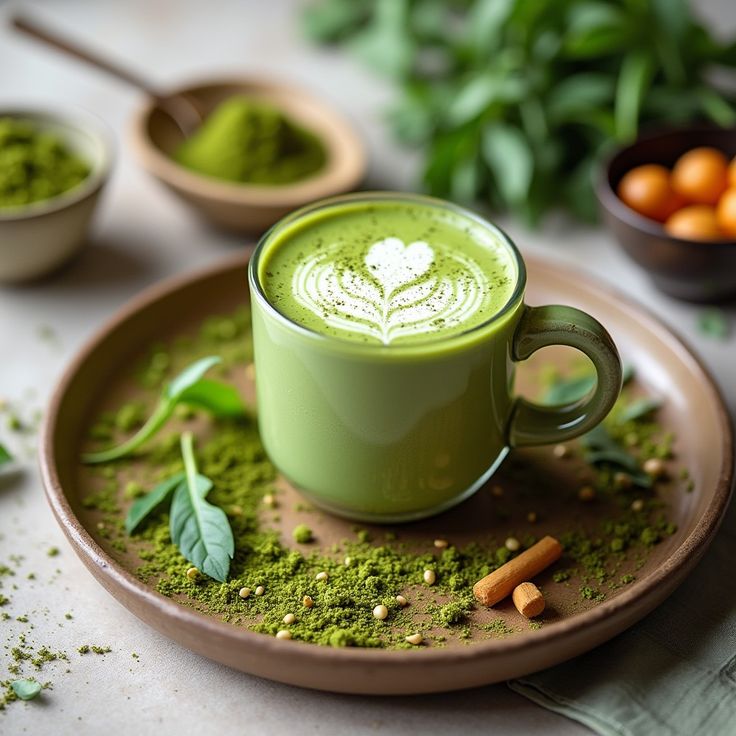
The appeal is not only about health claims. Matcha has become a cultural signal of a more mindful, curated lifestyle, and that matters to younger consumers who often choose drinks as much for the vibe as for the ingredient list.
Why protein coffee is taking off
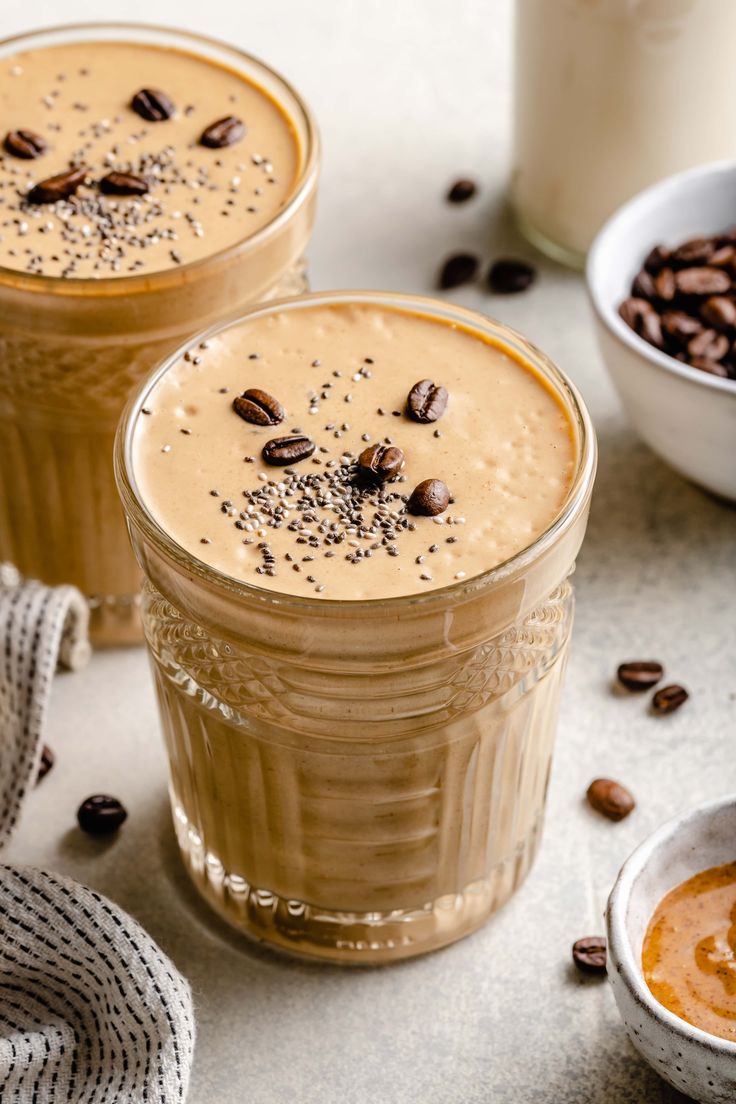
Protein coffee works because it combines two things Gen Z wants: convenience and function. It delivers caffeine for alertness and protein for satiety or fitness goals, which makes it attractive to busy students, young professionals, and gym-goers looking for an easy on-the-go option. Search data and market commentary show growing interest in protein drinks as consumers look for practical health boosts during the day.
It also fits into the “better-for-you” consumption pattern. Instead of choosing between a treat and a health product, Gen Z increasingly wants both in one cup, and protein coffee sits right in that middle ground.
What functional drinks offer
Functional drinks are succeeding because they promise a benefit beyond hydration. That benefit may be energy, focus, digestion, immunity, or recovery, and the category includes drinks such as kombucha, kefir, matcha-based beverages, mushroom drinks, and protein-enhanced options. Retail data shows strong growth in the category, with Gen Z consuming these products more frequently than the general population.

These drinks also reflect a broader shift in how wellness is consumed. Younger buyers are not necessarily looking for strict diet culture; they want drinks that feel useful, enjoyable, and easy to fit into a normal day. That is why the category is expanding beyond niche health stores into mainstream cafés, supermarkets, and D2C brands.
What brands should learn
For brands, the message is clear: Gen Z wants function, taste, and aesthetics in the same product. Drinks that are overhyped but do not taste good will not last, because taste remains a top priority even in wellness-led categories. Successful products need a clear benefit, simple ingredient communication, and a brand story that feels authentic rather than forced.
In India and globally, this creates space for both premium and affordable players. The winning brands will be the ones that make functional drinks feel everyday, not medicinal, while still delivering visible value to the consumer