Indian ethnic wear in 2026 has transitioned from occasion-based fashion choices to everyday wear ubiquity, empowering women to wear tradition not just during festivals and special events but anytime they feel like it. This shift brought minimalism into the mainstream while reserving maximalism for special occasions.
Moving away from heavy embellishment and machine-produced apparel, people are not just chasing fleeting trends but seeking pieces that last for centuries and connect them to culture without compromising contemporary aesthetics. Apparel that reflects intent and carries its story without being too much is reimagined through prints, fabrics, and silhouettes. With this, people can build their wardrobe around different hours of the day, from casual outings to evening meetings to office wear. Let us find out the trends that surged into demand and are changing the landscape of ethnic wear.
The Prints
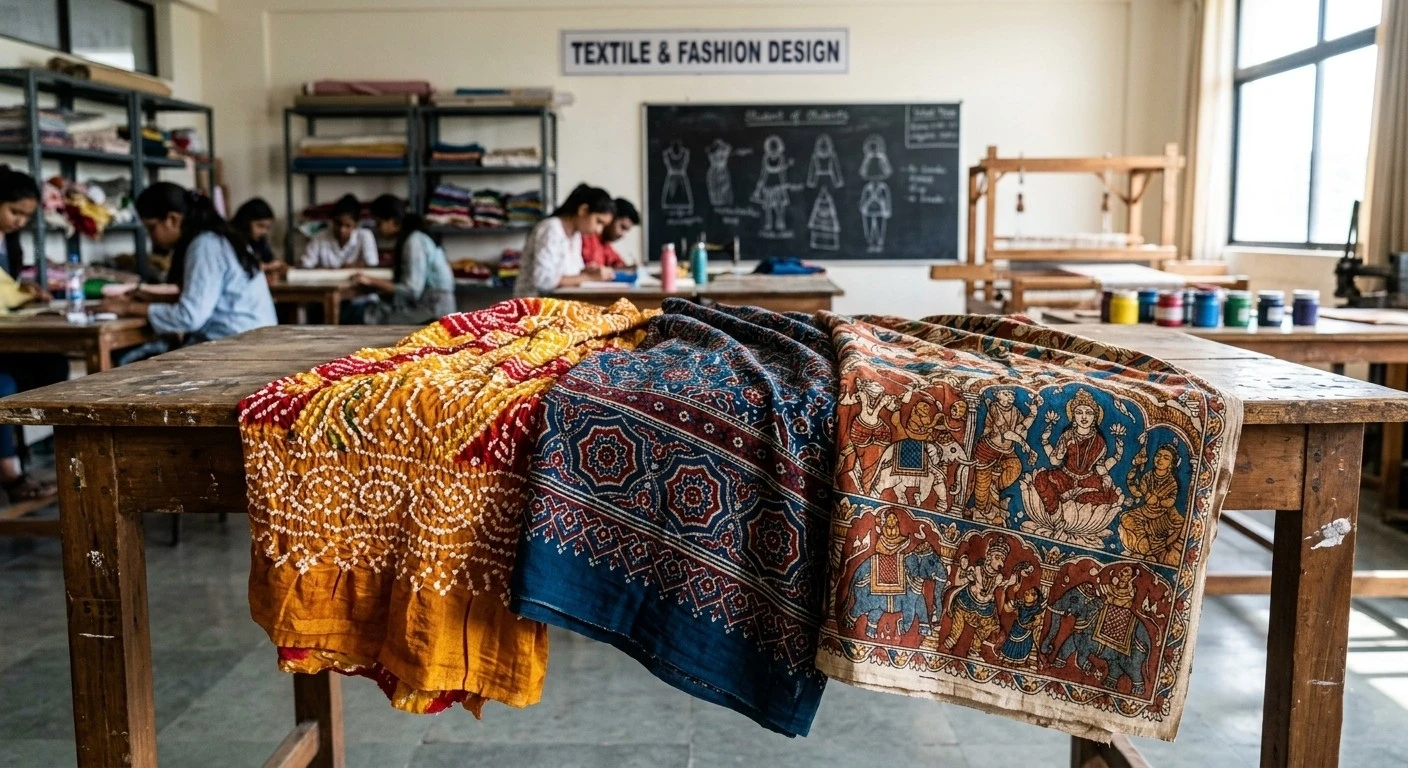
To reflect tradition and craft without being overwhelming, contemporary ethnic wear features prints to deliver the impression. Century-old techniques with cultural motifs and designs on a modern ethnic silhouette serve as a bridge between tradition and contemporary fashion.
Ajrakh
An ancient technique that uses blocks to print beautiful geometrical designs on apparel was developed in Kutch, Gujarat, and Sindh. Its elegant symmetrical design adds depth to the garments and emphasizes the beauty of the silhouette. The natural colors used during the process mainly include indigo, madder red, and earthy brown, which are able to sit between both tradition and modern aesthetics.
You can style your ensemble by wearing an Ajrakh-designed kurta complemented by Afghani trousers, palazzo, or wide-leg pants. This allows the design to stand out while keeping everything else simple.
Kalamkari
Another traditional technique making its place in the modern fashion landscape is Kalamkari—handmade painting done on clothes with different nature-inspired motifs and designs. Its popularity is rising among contemporary customers who look for something personal that conveys a story and feels unique.
A Kalamkari motif on a Chanderi fabric enhances the design through its lustrous texture. Pair it with straight pants or Afghani trousers to complete a sophisticated ethnic look.
Bandhani
Traditional Rajasthani and Gujarati dye techniques, whose roots trace back to ancient times, are known for their designs created by small dots of dye and thread. Though it has been part of ethnic apparel for centuries, the current era shifts its use from occasional to casual.
The intent is to keep everything else simple by letting the design stand out—for that, you can pair your Bandhani kurta with simple straight or wide-leg pants and palazzo. This offers a subtle elegance that makes it a much stronger daily staple in ethnic style.
The Silhouettes
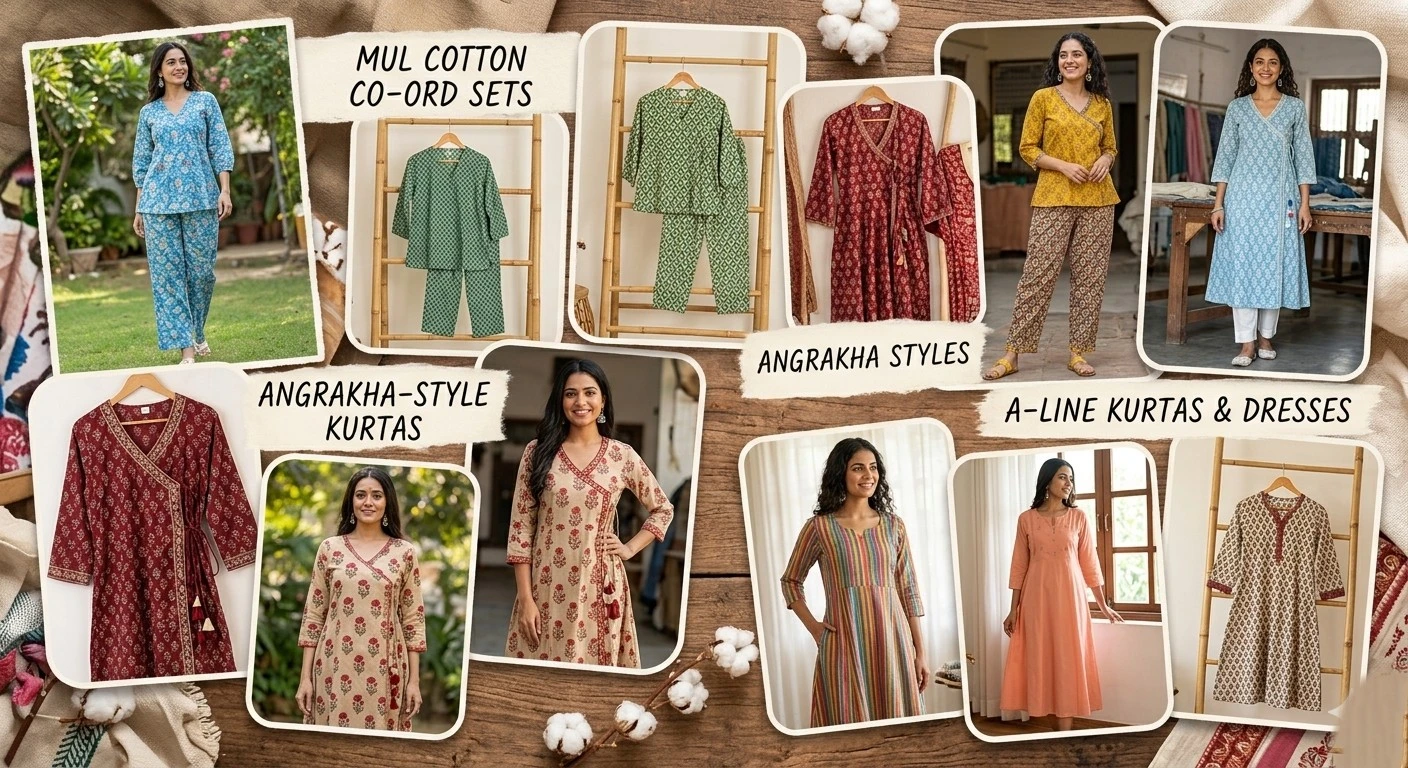
Indian kurtas are playing a pivotal role in reimagining the ethnic wardrobe, from simple jewel tones to traditional Indian patterns. They let you arrive with the understated charm of ethnic attire while keeping contemporary style intact.
Co-ord Sets
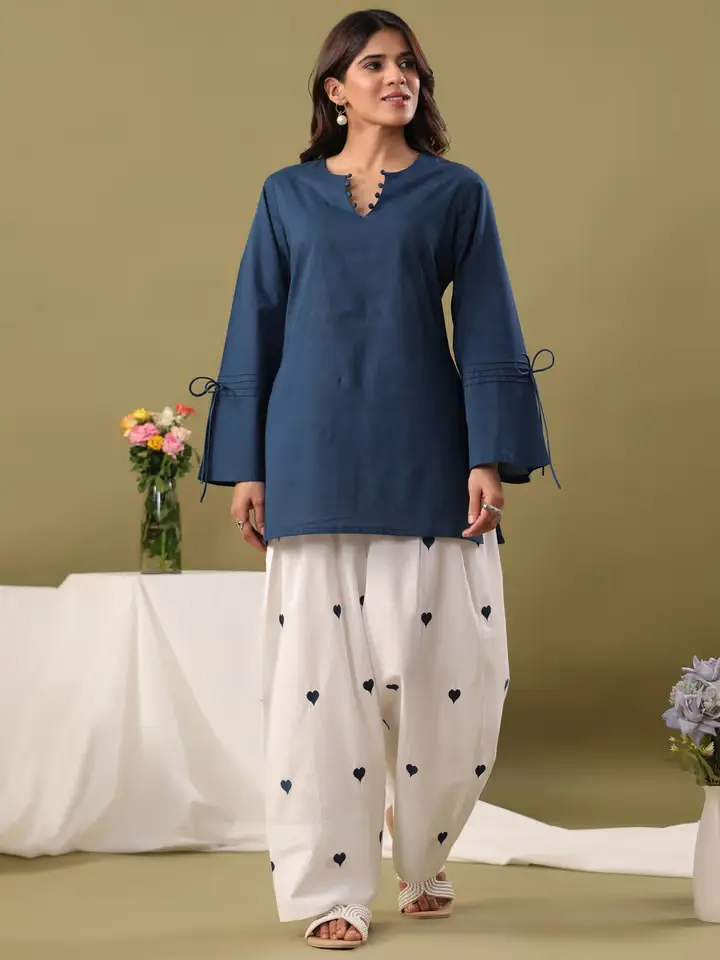
A matching pair of kurta and trousers that has emerged as a popular staple of the Indian fashion landscape has become an effortless wear for everyday occasions. With a cohesive color palette and traditional Indian designs in different forms—Ajrakh, Kalamkari, or Bandhani—it translates into casual attire that carries craft without demanding effort.
Angrakha-Style Kurtas
The Angrakha is one of the most quietly powerful silhouette revivals of 2026—a kurta distinguished by its diagonal wraparound neckline, drawn from Mughal-era court dressing and now reimagined in contemporary fabrics like mul cotton and Chanderi. What makes it enduring across generations is its ability to flatter every body type; the diagonal line creates a natural visual length that straight necklines rarely achieve. It works as a standalone statement for festive occasions and transitions just as seamlessly into everyday dressing when rendered in a lighter, breathable fabric.
A-line in Mul Cotton
If there is one silhouette that defines the ease of everyday ethnic dressing in 2026, it is the A-line kurta in mul cotton — soft, breathable and effortlessly flattering across body types. Where synthetic fabrics were once the default, Indian women are now reaching for natural, skin-friendly textiles that move well through long days and India's unforgiving summer and monsoon months. Mul cotton and its cousin muslin deliver exactly that—a fabric that looks considered without demanding effort, making the A-line silhouette in this textile one of the most wearable and most-reached-for ethnic pieces of the season.
The Fabrics
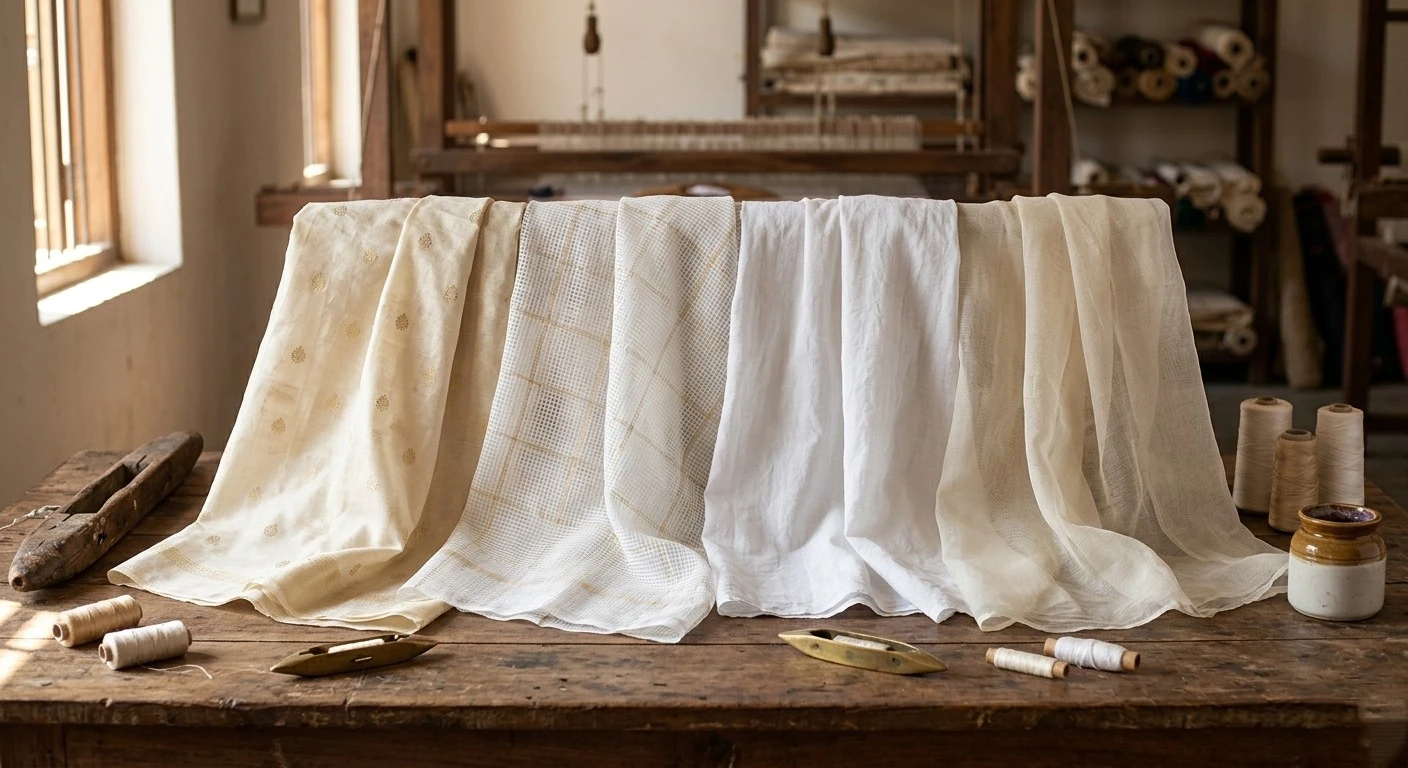
If prints and silhouettes tell you what to wear, fabrics tell you how it will feel—and in 2026, how it feels has become just as important as how it looks. Indian women are moving decisively toward natural, handwoven, and breathable textiles, choosing fabric quality as the primary measure of a garment's worth.
Chanderi and Kota Doria
Chanderi, from Madhya Pradesh, and Kota Doria, from Rajasthan, have emerged as the season's celebratory fabrics of choice. Both are lightweight with a luminosity that reads as festive without the physical burden of heavier materials. Chanderi pairs particularly well with Kalamkari detailing and hand embroidery, making it one of the strongest fabric-craft combinations of the year. Kota Doria, with its characteristic square weave and sheerness, works beautifully for daytime weddings and sangeet occasions where the dress needs to carry both grace and comfort across long hours.
Mul Cotton and Muslin
For everyday ethnic dressing, mul cotton and muslin have become the fabrics that Indian women are building their wardrobes around. Soft against the skin, they breathe through the season and require no effort to style—a kurta in mul cotton with wide-leg pants is a complete look that works from a morning errand to an afternoon meeting without a second thought. More women are choosing these over synthetics, and the shift is less about trend than about the cumulative discovery that natural fabrics simply feel better to live in.