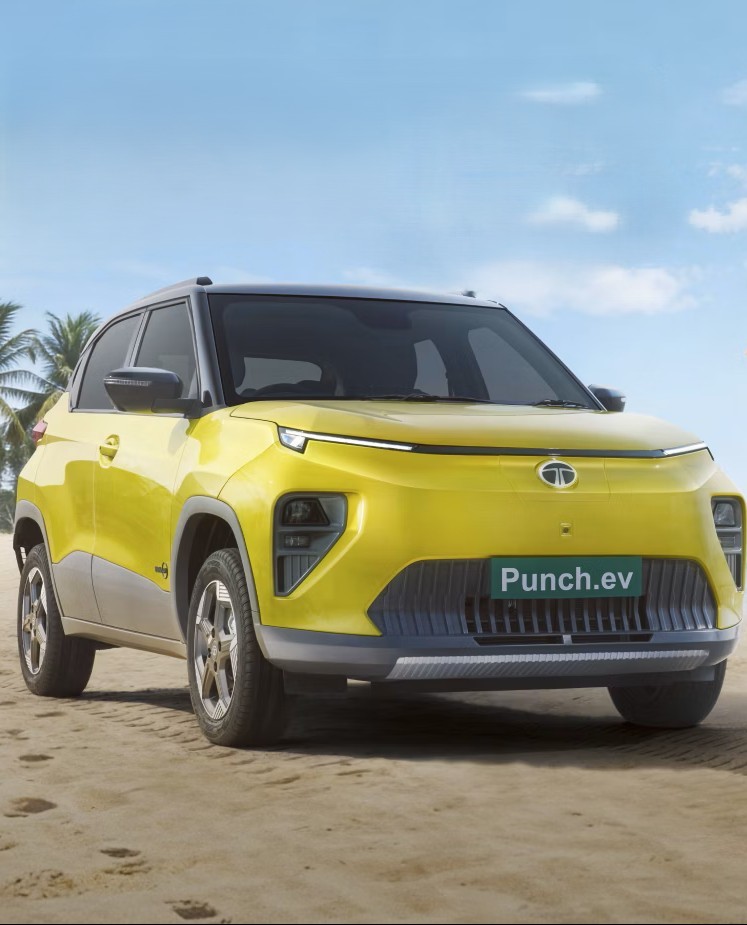


The shift toward electric vehicles (EVs) is now a rapidly accelerating reality. As the world faces climate change, urban pollution, and the depletion of fossil fuels, EV technology has become a promising solution to reshape the way we move. What powers these sleek, silent machines? Understanding the core of EV technology demystifies what makes electric cars unique and why they represent more than just a trend.
How does an EV car generate energy?
Transitioning from aspiration to practical design, at the heart of every EV lies its electric powertrain, which replaces the internal combustion engine (ICE) found in conventional vehicles. Instead of burning petrol or diesel, EVs use electricity stored in high-capacity batteries to drive an electric motor, which in turn powers the wheels. This system not only eliminates tailpipe emissions but also significantly reduces the number of moving parts, resulting in lower maintenance needs and a smoother driving experience.
Long-life Battery
Building on the electric powertrain, the battery pack is arguably the most critical and expensive component in an EV. Most modern EVs use lithium-ion batteries—the same type found in smartphones and laptops—favoured for their high energy density, longevity, and efficiency. A typical EV battery pack consists of hundreds, sometimes thousands, of cells arranged to deliver the required voltage and capacity. Battery technology continues to evolve rapidly, with researchers exploring solid-state alternatives that promise higher range, faster charging, and improved safety.
Complementing advanced batteries is another key feature of EVs: regenerative braking, a smart system that captures kinetic energy usually lost as heat during braking and converts it back into electrical energy, which is then stored in the battery. This not only boosts efficiency but also extends the vehicle's driving range, especially in stop-and-go urban traffic.
Charging facility
Enabling these technological advances is a growing charging infrastructure, which plays a vital role in the EV ecosystem. Charging methods range from standard wall outlets (Level 1), faster home chargers (Level 2) to high-speed DC fast chargers in public spaces. Charging times vary—from several hours at home to 30–60 minutes at a fast-charging station. Overnight home charging often becomes a game-changer for city dwellers, turning what used to be a trip to the gas station into a simple plug-in before bedtime.
Advanced Technology and connectivity

The role of advanced onboard technology and connectivity cannot be understated in modern EVs. Many come equipped with smart interfaces, app-controlled climate systems, over-the-air software updates, and autonomous driving capabilities. These features aren’t just gimmicks—they optimise energy usage, provide real-time data on battery health, and help users locate nearby charging stations or plan efficient routes.
How much distance would it cover on a single charge?
One of the lingering concerns for potential buyers remains range anxiety—the fear that the vehicle will run out of charge during a journey. That said, improvements in battery range and the rapid expansion of charging networks are steadily alleviating this concern. As a result, many current models offer a real-world range of 300 to 500 kilometers on a single charge, which comfortably covers daily commuting and weekend trips.
Environment Friendly
In addition to practical benefits, there are also noteworthy environmental advantages. From an environmental perspective, EVs represent a cleaner option than traditional vehicles, particularly when charged with renewable energy sources. Although battery production carries a notable carbon footprint, research indicates that most EVs offset this impact within a few years through zero-emission operation.
The future of EV technology

Looking beyond current advantages, the future of EV technology looks even more promising. Innovations in wireless charging (eliminating the need for physical cables), vehicle-to-grid (V2G) systems where cars can return unused electricity to the power grid, and solar-integrated bodies (where solar panels are built into the car’s exterior) are pushing the boundaries of what EVs can do. As governments around the world offer incentives and automakers invest heavily in electric mobility, we’re witnessing the birth of a cleaner, smarter, and more sustainable transport system.
Takeaway
Ultimately, understanding EV technology goes beyond just batteries and motors. It is about embracing a transformative shift in how we think about energy, mobility, and sustainability. As infrastructure expands and technology improves, electric vehicles are poised not only to replace gasoline cars but also to redefine the driving experience itself. Now is the time to learn, adapt, and take an active role in this evolution—your engagement can help shape the future of mobility.