Every year, over a billion Muslims around the world observe an entire month of fasting without food or water from dawn to sunset. The month of Ramadan abstains a person from eating or drinking from dawn to sunset for 30 days. After completing the month of fasting by sighting the crescent moon on the last day, they celebrate this accomplishment and show gratitude the following day, which is known as Eid (Eid-ul-Fitr).
Fasting is considered one of the five pillars in Islam; this enhances their consciousness and makes them more patient, grateful and humble for whatever they have. Besides this, on Eid, people gather in large grounds, mosques, playgrounds, and parks to offer prayer, also known as Salat al-Eid, to Allah for giving them the strength to complete Ramadan. This congregation not only shows their devotion but also reinforces the equality, brotherhood and forgiveness.
What Is the Story Behind Eid ul-Fitr?
The inception of Eid dates back 1400 years, to the 7th century, in the Arabian Peninsula. The Prophet Muhammad was born there and received the knowledge of the Quran through revelation by the angel Gabriel around 610 CE in the cave of Hira, near Mecca (in present-day Saudi Arabia). The month in which the Prophet was bestowed with this knowledge is commemorated as Ramadan. As the final messenger of Allah, he started to preach the message of the Quran to the people: that everyone is equal, and justice, compassion, and charity are sacred duties.
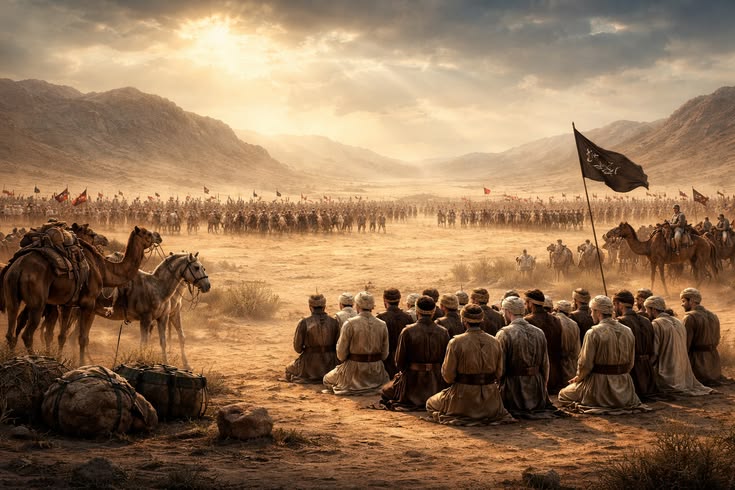
However, some strong leaders of the city who exploited others in the name of religion felt threatened by this and issued prosecution against him. To save his and his followers' lives, they migrated to Madina, and the migration was so important that the Islamic calendar starts from this time. After staying there for a year, Prophet Muhammad realised the need for celebration to mitigate all the suffering they went through. Thus, he performed Ramadan for the first time in 624 CE with all his followers, and after its completion, they celebrated it on the following day, which is known as Eid ul-Fitr (Festival of Breaking the Fast).
How do they celebrate on the Day of Eid ul-Fitr?
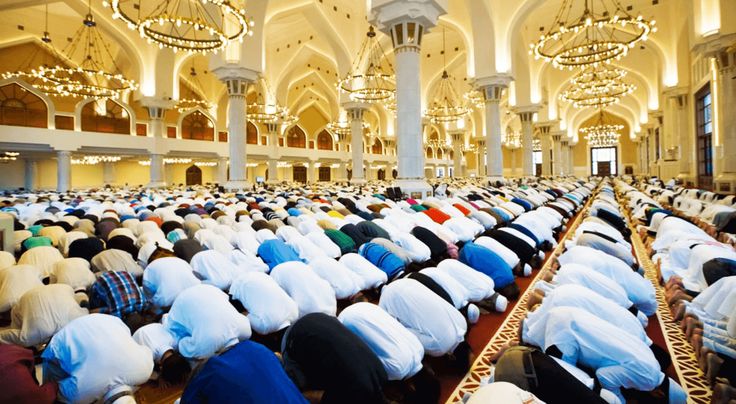
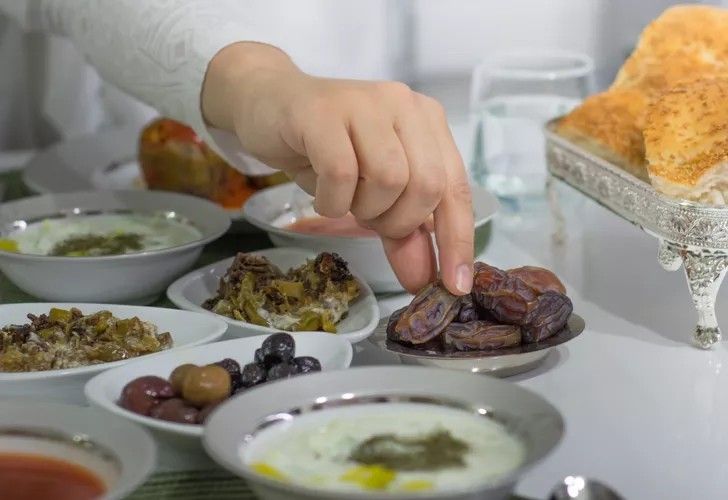
On the day of Eid, people take early morning ritual baths before sunrise, then wear their finest new clothes. Before heading to the prayer, they do a sunnah in which they eat an odd number of dates — usually 3 or something sweet. Thereafter, they perform charity (Zakat al-Fitr), which requires donating some amount of money to the poor so they can also enjoy the occasion. It is mainly for people who are capable of doing it, and then comes the special Eid prayer (Salat al-Eid), where a large number of Muslims gather in a common area to perform. The prayer is followed by a sermon (khutbah) reminding people of gratitude, generosity, and community. After the prayer, everyone turns to their neighbours—strangers or friends—and warmly greet each other: "Eid Mubarak!" (Blessed Eid!) or "Eid Sa'id!" (Happy Eid!).
What Are the Five Pillars of Islam, and How Does Eid Relate to Them?
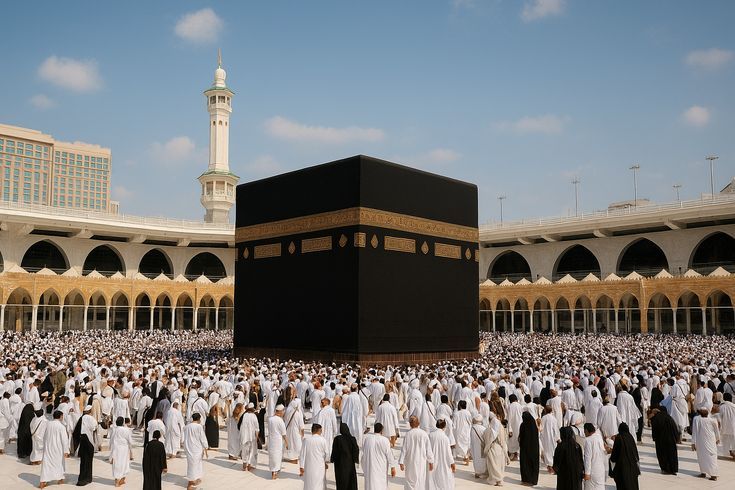
Islam preaches justice, forgiveness, peace, charity, brotherhood, and equality among humans, and to emphasise this among their followers, they have stated the five most noble rules that every Muslim should follow:
1. Shahadah: Declaration of faith: "There is no god but Allah, and Muhammad is His messenger."
2. Salah: Five daily prayers
3. Zakat: Giving a portion of wealth to the poor
4. Sawm: Fasting during Ramadan
5. Hajj: Pilgrimage to Mecca once in a lifetime
Four out of five of these things are fulfilled during Ramadan and on Eid; fasting for 30 days showcases their faith in Allah, and donating money to people in need underscores their duty toward humanity. This makes these five pillars not just a ritual but a service for the betterment of humanity.
Takeaway
Eid ul-Fitr is far more than a single day of feasting and festivity. It is the culmination of a month of sincere devotion, patience, and self-discipline. Rooted in 1,400 years of history and observed by over a billion people across the world, it stands as a powerful reminder of the values Islam holds at its core — gratitude, equality, generosity, and community. Whether you celebrate it or simply witness it: Eid ul-Fitr is a celebration of the human spirit's capacity to endure, reflect, and ultimately rejoice. Eid Mubarak.