People embracing, bright smiles, and heartfelt warmth connote celebratory moments with Eid. It is a festival that spreads joy and kindness, filling hearts with love. Eid al-Fitr is more than just the end of Ramadan. It is the dawn of joy after a month of devotion. As the crescent moon is sighted, families prepare to gather, prayers fill the air, and streets come alive with festive spirit. It is a time when kindness flows freely, charity is given to those in need, and tables are laid with food that brings everyone together.
But Eid feels incomplete without sweets, and among them, sevai holds a special place, weaving together tradition and taste. From creamy sheer khurma to coconut-laced variations, sevai is the dessert that unites families across regions, each adding its own flavour to the celebration. Festivals are often remembered through flavours, and for many households, the taste of Eid begins with a warm bowl of sevai.
The Story of Sevai
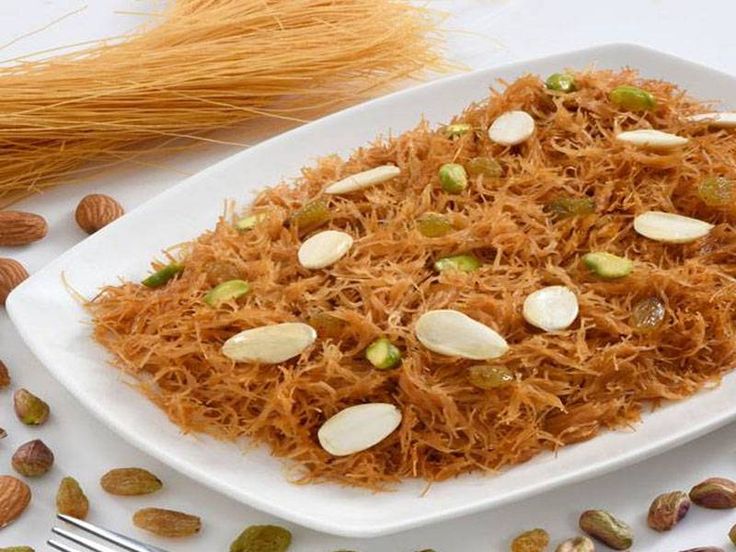
Sevai, or vermicelli, may look simple—delicate strands made from wheat or rice flour—but its story stretches across centuries and cultures. Historians trace its earliest forms to Asia, where noodle-like dishes were already popular in ancient times. Through trade routes and cultural exchanges, vermicelli travelled across regions, reaching Persia and Central Asia. When the Mughals brought their rich culinary traditions to India, sevai found a place in festive kitchens. During this period, sheer khurma—a rich mixture of milk, dates, nuts, and vermicelli—became a highlight of Eid celebrations.
Over time, sevai adapted to local tastes, absorbing the flavours of every region it touched. Today, sevai is more than just a dessert. It is a symbol of Eid itself—served after prayers, shared with guests, and fondly remembered as the taste of celebration. From creamy puddings to dry roasted versions, sevai reflects India’s diversity, with every region adding its own twist to this timeless sweet.
Sheer Khurma: The Heart of Eid Tables
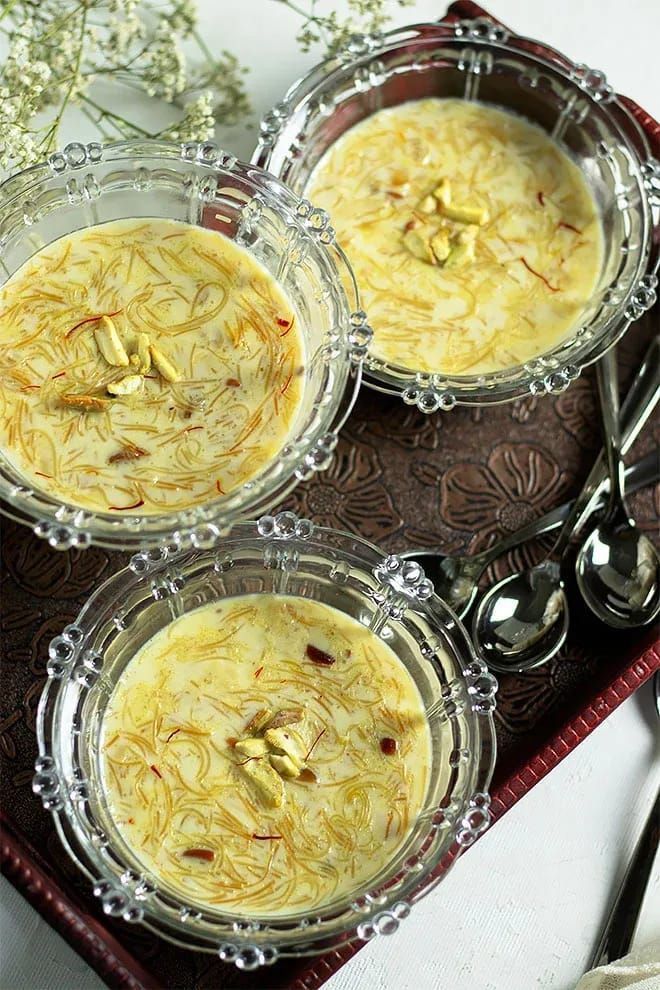
Sheer Khurma, the jewel of Eid tables, traces its roots to Persian and Mughal culinary traditions, where vermicelli was simmered in milk with dates, nuts, and saffron. Over time, the dish became deeply woven into Eid celebrations across the Indian subcontinent.
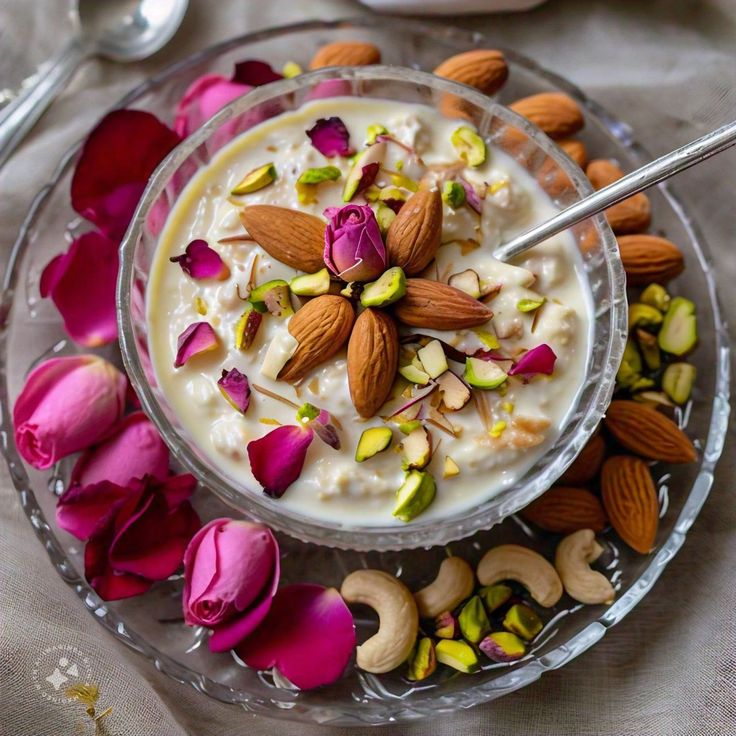
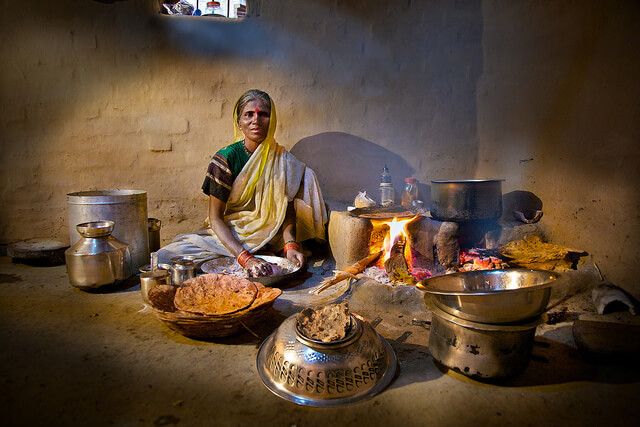
In earlier times, when refrigeration was unknown, families stored sheer khurma in earthen pots or handis. The milk was slowly reduced to a thick consistency, while ingredients like sugar, dates, and nuts helped maintain its richness and flavour. This careful preparation allowed the dessert to stay fresh for several days, making it perfect for sharing with guests throughout the festive period. Today, sheer khurma continues to be lovingly prepared across North India, especially in cities like Delhi, where it is served after Eid prayers as a symbol of warmth and hospitality.
Zafrani Sevai: A Taste of Nawabi Elegance
Zafrani Sevai carries the fragrance of Nawabi kitchens, where saffron and cardamom were treasured for their luxury and aroma. Vermicelli is roasted in ghee and then simmered with milk, infused with delicate strands of saffron that lend it a golden hue.
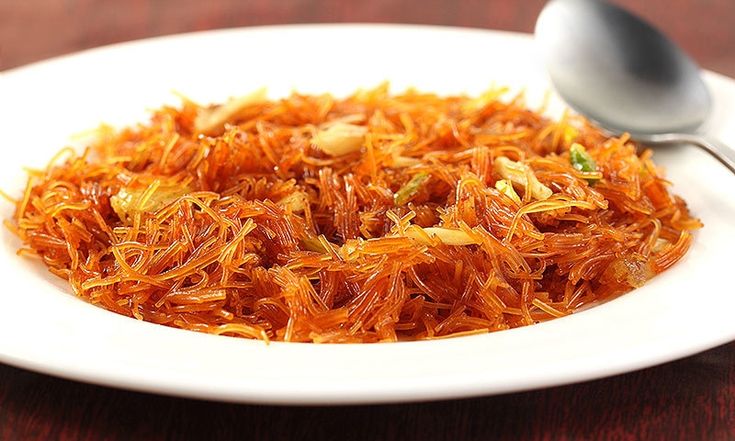
Historically, ingredients like saffron and ghee helped preserve both the flavour and richness of the dish. The balance of aroma, sweetness, and warmth made Zafrani Sevai a favourite in royal kitchens. Today, it remains a festive favourite in Lucknow and across Uttar Pradesh, where families prepare it during Eid as a symbol of elegance and culinary tradition.
Coconut Sevai: A Southern Celebration
Coconut Sevai brings a tropical sweetness to Eid tables in South India. In this variation, vermicelli is cooked with grated coconut, jaggery, and cardamom, creating a dessert that is lighter yet deeply aromatic.
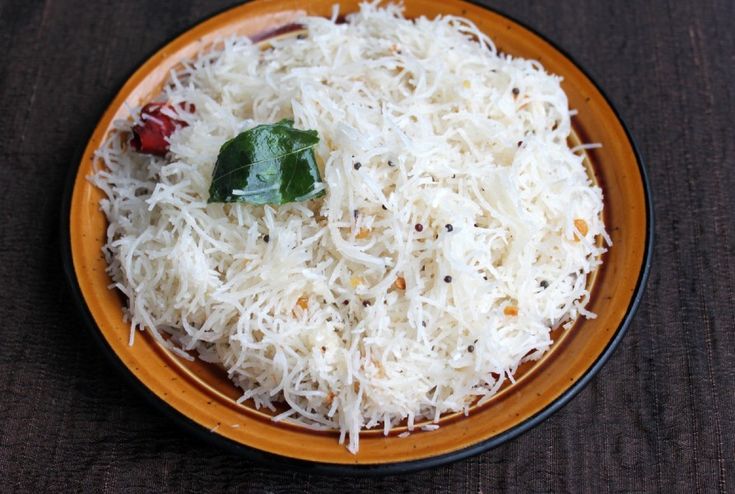
Traditionally, jaggery and coconut added natural richness while helping the dish stay fresh longer. The vermicelli, roasted in ghee, contributed both flavour and texture. Today, Coconut Sevai is widely enjoyed in Tamil Nadu and Kerala, where families prepare it not only during Eid but also for other festive occasions, blending tradition with local flavours.
Dry Sevai: Hyderabad’s Aromatic delight
Dry Sevai offers a lighter yet equally flavourful version of the classic dessert and is especially popular in Hyderabad’s Eid feasts. Vermicelli is roasted in ghee until golden, then tossed with sugar and cardamom and generously garnished with nuts.
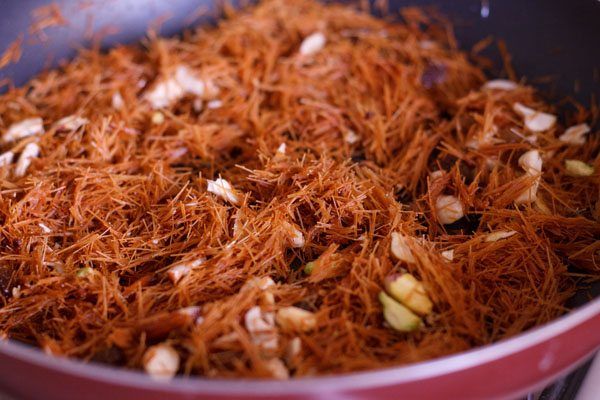
This preparation was also practical in earlier times. The ghee coating helped protect the vermicelli from moisture, while sugar and spices preserved its flavour. Stored in earthen pots, dry sevai could last for days, making it easy to serve guests throughout the celebrations. Today, it remains a beloved choice in Telangana, offering a fragrant alternative to milk-based versions and reflecting the region’s rich culinary heritage.
More Than a Sweet Dish
Eid lives through many elements—from glowing streets and festive lights to warm embraces and kind smiles. It is preserved in memories: children visiting relatives, a grandmother stirring a pot of sheer khurma in the kitchen, and families waiting eagerly for the first taste. In those moments, love quietly becomes tradition.
Eid feels like a shawl woven with golden threads of generosity, warmth, and togetherness. As we savour the sweetness of sevai, perhaps the true celebration lies in sharing that kindness with others.
Image Credits: Pinterest