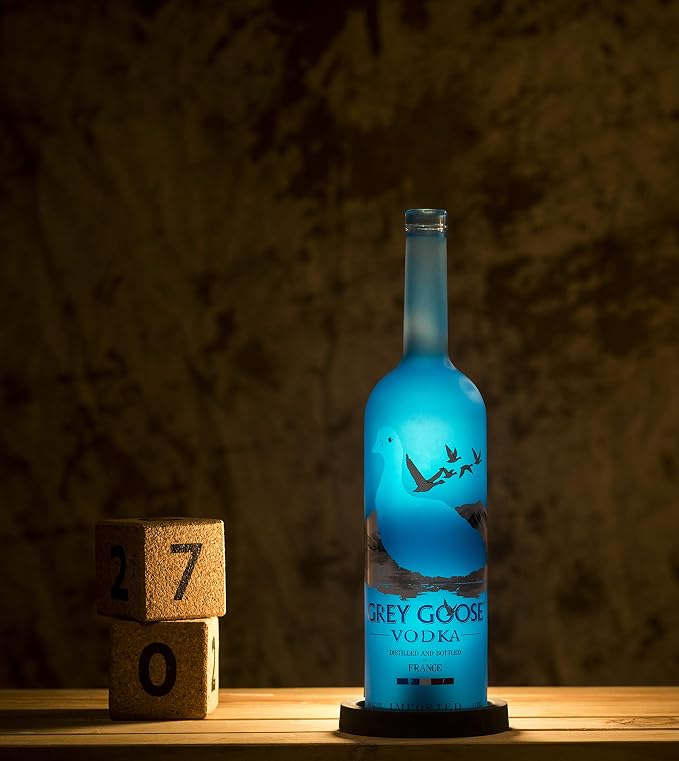
If you put a bottle of vodka in your average home freezer, you might find it is still completely liquid hours later. This leads to a common question: will vodka actually freeze? Yes, but the temperature you need depends a lot on the level of alcohol in the drink.
Pure water freezes at 0°C, but alcoholic drinks are mixtures of ethanol and water, and ethanol lowers the freezing point of the mixture. This is the reason why spirits can stay at a liquid temperature at which water would freeze.
Why Doesn’t Vodka Freeze in a Home Freezer?
Most regular vodka is about 40 % alcohol by volume ( ABV ). Ethanol-water freezing-point data published in the literature suggest that an ethanol-water mixture of about this concentration freezes at about -23°C. A household freezer is usually about -18°C. That's cold enough to freeze water but not usually cold enough to freeze standard 40% vodka. This is why vodka in a domestic freezer is normally very cold and slightly more viscous but not frozen into a solid block of ice.
The exact freezing behavior can depend on the concentration of alcohol and other ingredients in the drink.
The Science: Alcohol Lowers Freezing Point
The major player is ethanol, the type of alcohol found in alcoholic drinks. As water cools and turns to ice, the molecules arrange themselves into a crystalline structure. Adding ethanol interferes with that process. The presence of ethanol makes it harder for water molecules to arrange themselves into the crystal structure needed to form regular ice. In general, the more ethanol there is, the lower the freezing point will be. Ethanol-water data show that a mixture of 10% alcohol freezes at about -4°C, 20% at -9°C, 30% at about -15°C and 40% at about -23°C. At higher concentrations the freezing point is further lowered. So alcohol does not automatically make a drink freeze resistant. It just means much lower temperatures are needed before freezing occurs.
What Happens to Vodka When It Freezes?
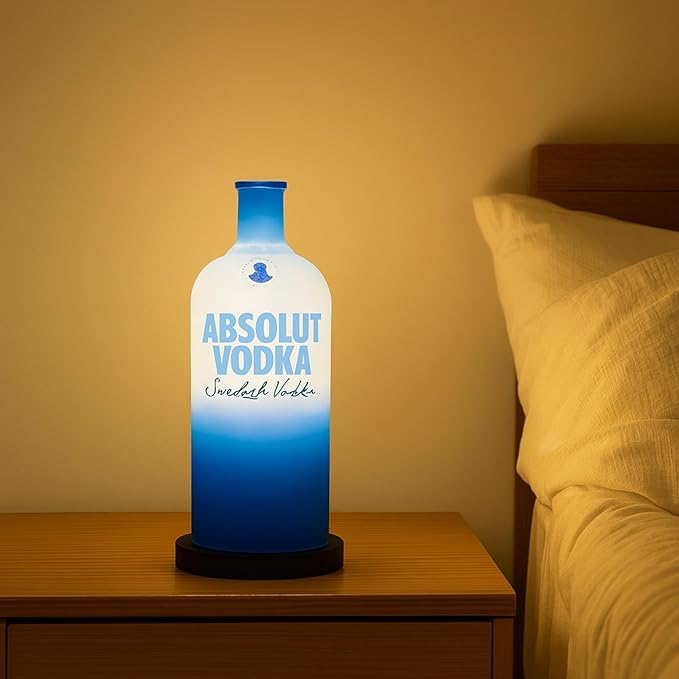
While vodka may not freeze completely solid, something interesting can happen as it cools down. The liquid will become colder and may change viscosity . It will be a little thicker when you pour it . But it generally remains liquid in a normal freezer. If the freezer is much colder than a standard home model, the vodka may eventually start to freeze. At sufficiently low temperatures the water component can begin to freeze out as ice crystals leaving the liquid phase relatively enriched in ethanol. Freezing an alcoholic beverage, therefore, is not always quite as simple as a whole bottle suddenly becoming one solid block.
In contrast, the higher the concentration of alcohol, the lower will be the freezing point in general, although very high concentrations of ethanol-water mixtures have a more complicated phase behavior. The data on freezing points show, for example, that a 50% ethanol-water mixture freezes at about -32°C, while a 60% mixture freezes at about -37°C. A 70% mixture is about -48°C. That is why high proof spirits are so resistant to freezing.
But it’s not just about the alcohol strength. Commercial beverages may contain sugar, flavorings, acids and other dissolved substances, all of which will affect the freezing behavior.
What About Whiskey, Rum And Brandy?
Many popular distilled liquors have a similar alcohol content to vodka, typically around 40% ABV. This means that they can also maintain liquidity in a normal household freezer.
Whiskey: Most standard whiskeys are about 40% ABV, so they usually stay liquid at normal freezer temps.
Rum: Standard rum is typically 40% ABV and it won’t freeze in a home freezer either.
Brandy: Also, a lot of brandies are around 35-40% ABV, so they won't freeze solid in a standard freezer.
It is contingent upon the alcohol concentration and formulation of the bottle.
What Will This Do to Beer and Wine?
Beer and wine are different in that they contain much less alcohol. Most beers are about 4 to 6 percent alcohol, while wines range from 10 to 15 percent. Their freezing points are thus much nearer to the freezing point of water. A 10 percent mixture of ethanol and water has a freezing point of about -4 degrees Celsius, and a 20 percent mixture is about -9 degrees Celsius. That means beer and wine can freeze in a regular home freezer. Another problem is, liquid expands as it freezes. Leaving a sealed glass bottle or can in the freezer too long can cause the expanding liquid to damage the container or burst it.
Can You Freeze Alcohol Cubes of Ice?
Don’t think you can pour vodka into an ice-cube tray and expect it to float like water. Standard 40% vodka liquid will keep in most household freezers. You'd have to get it a lot colder to freeze it. But cocktails and mixed drinks are different. If you add water, juice or another low-alcohol ingredient to vodka, the overall percentage of alcohol goes down. Therefore the mixture can freeze more easily. Sugar changes the way they freeze, so sweet liqueurs and cocktails act differently than straight spirits.
Can Alcohol Ever Freeze Completely?
Yes. Alcohol is not immune to freezing. It just takes extremely low temperatures to do it. Pure ethanol has a freezing point of about -114°C, while ethanol-water mixtures freeze at temperatures that depend on the composition of the mixture. Data for ethanol-water solutions show how dramatically the freezing point can drop with increasing alcohol concentration. So when someone tells you vodka can’t freeze, that’s not exactly true. It is more correct to say that regular vodka typically will not freeze in a normal home freezer.
Takeaway
Vodka and other spirits can indeed freeze, but the alcohol they contain alters the temperature at which they will freeze. Freezing point of a 40% ABV vodka is about -23°C so it will not freeze in a normal home freezer which is around -18°C. Beers and wines, which have lower alcohol content, will freeze solid in your freezer, as they freeze at much higher temperatures. The higher the proof, the colder the conditions required. So, next time you see your vodka is still liquid while the ice tray beside it is frozen solid, there’s no mystery. The chemistry of ethanol is what causes the freezing point of water to be lowered.