Most homes have a television in the living room, a laptop on the kitchen counter, and a phone charging beside the bed. The average household now owns more than ten connected devices. There is barely a corner left that isn’t adjacent to a screen. This is the problem the digital detox nook is trying to solve. At its core, it is simply an attempt to carve out one corner of the house where notifications, emails, and constant availability cannot follow.
What It Actually Looks Like
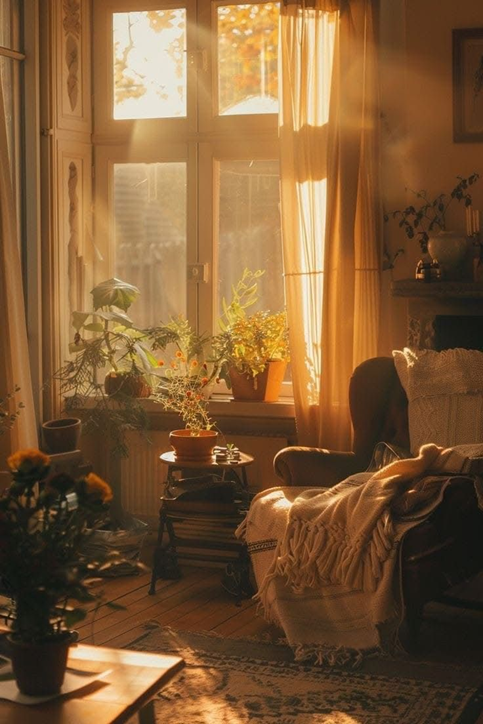
The spaces people are creating are rarely elaborate. A cane chair beside a balcony window. A floor mattress tucked into a quiet corner of the bedroom. A narrow window seat with a reading lamp and a stack of second-hand books. In smaller apartments, sometimes it is simply one armchair moved deliberately away from the television. The unifying feature is what’s missing: no television nearby, no visible phone charger, no laptop within arm’s reach.
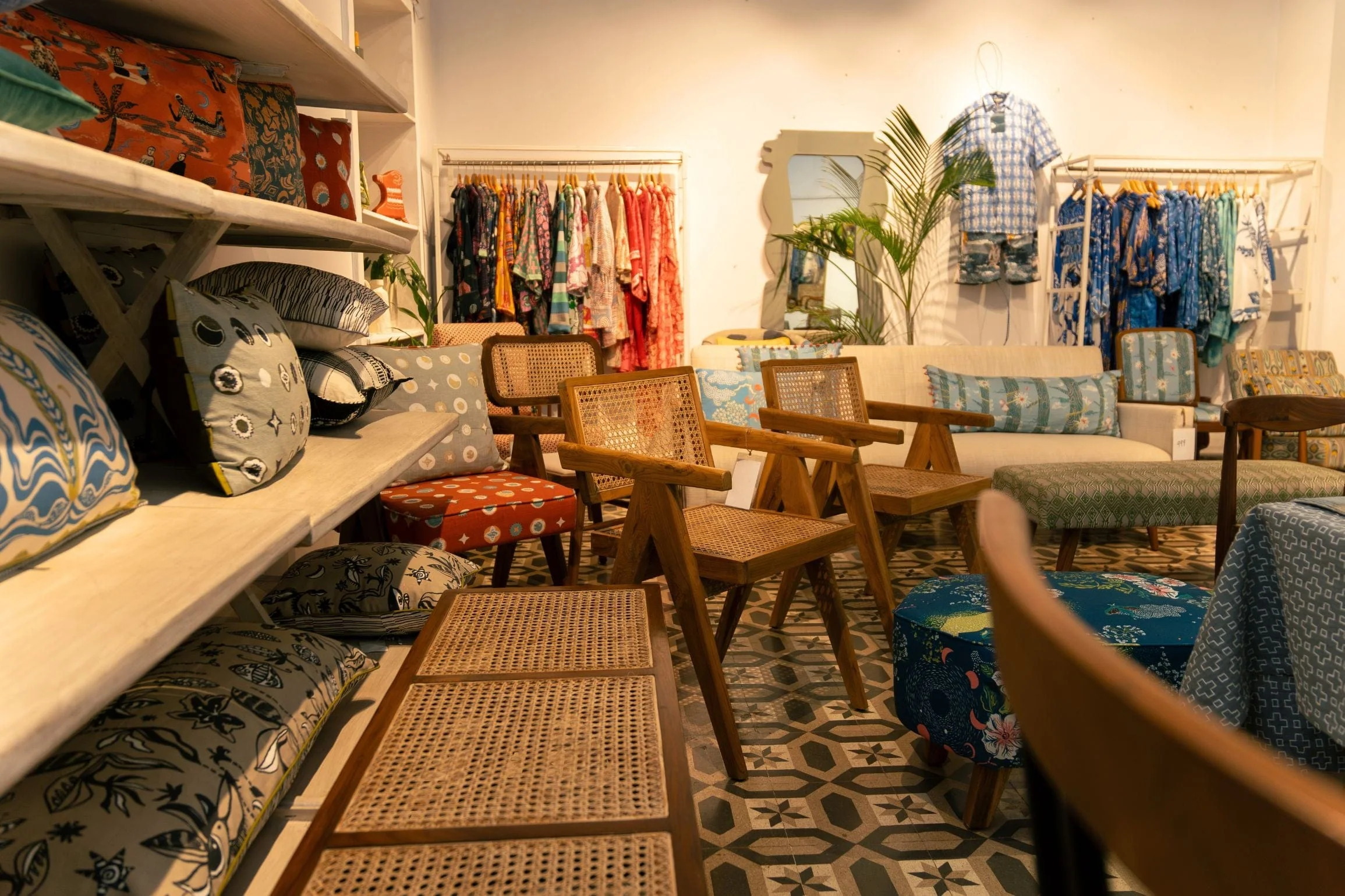
Some people add a low shelf for physical books, journals, sketchbooks, or board games. Others bring in speakers or a record player because music listened to intentionally feels different from audio playing in the background. The materials tend to be tactile and comforting: cotton throws, wooden furniture, woven rugs, linen cushions, cane, and wicker. Spaces designed to be used slowly rather than efficiently.
Indian homes are particularly suited to these improvised corners because they already contain transitional spaces modern interiors elsewhere often lack: balconies, verandahs, window ledges, terrace corners. Many people are reclaiming these areas from storage and turning them into more peaceful parts of the house. Interior designers have noted a growing interest in “screen-free” corners, especially among younger homeowners and renters working hybrid jobs. The request is usually simple: somewhere comfortable to sit without feeling compelled to answer messages, open a laptop, or keep scrolling.
The Usual Mistakes People Make Setting One Up
The most common mistake is placing the nook too close to the rest of daily life. A reading chair in the same eyeline as the television is still a television-watching chair, even if there are books on the armrest.
Another problem is treating the space like overflow storage. People clear a corner, call it a nook, and gradually fill it with things that did not fit elsewhere. Within a month it holds a yoga mat, three chargers, and a child’s schoolbag. Light is often overlooked entirely. Natural light matters more than the chair. A beautiful armchair in a poorly lit corner is uncomfortable to read in, and an uncomfortable space is one people stop returning to.
The spaces that actually get used are usually the simplest ones. They do not require expensive furniture or a complete redesign. A separate corner, a comfortable seat, one good lamp, and some distance from screens are often enough. Most people already have what they need; the challenge is creating a space that feels intentional rather than temporary.
Why These Spaces Matter and the Wider Shift They Reflect
Part of the appeal of the digital detox nook is tied to mental wellbeing. Constant connectivity has blurred the distinction between work, entertainment, and rest, leaving many people feeling mentally overstimulated even inside their own homes. The expectation of being permanently reachable creates a low, persistent sense of alertness that is difficult to switch off.
A dedicated tech-free corner interrupts that cycle in small but noticeable ways. A phone left outside the space gets checked less often. Reading, sketching, journalling, or simply sitting allows attention to settle into a slower rhythm. Over time, the space becomes associated with calm rather than urgency.
Mental health experts often emphasise that rest works best when it is intentional. The digital detox nook reflects that idea physically. Instead of treating relaxation as something squeezed in between notifications, it gives it a fixed place inside the home. Perhaps the appeal of these spaces lies in their modesty. They do not promise transformation, only a calm way to spend an evening.