Luxury has always been about excess in some form: rare materials, slow craftsmanship, things made to be desired rather than needed. Sustainability, on the other hand, asks us to consume less and think harder about what we buy. For years these two ideas seemed to sit on opposite ends of the table. Lately, that is changing, and the change looks like it is here to stay.
A Shift That Started From Within
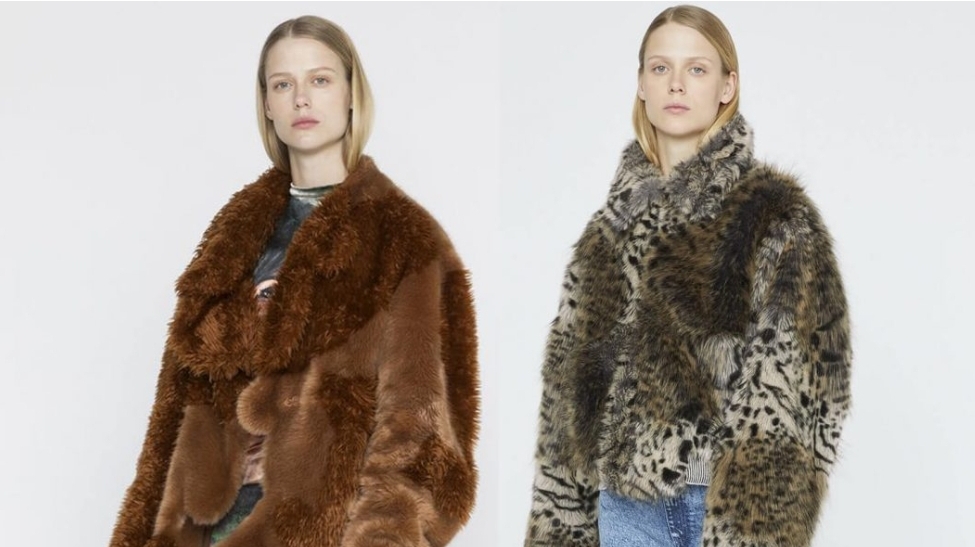
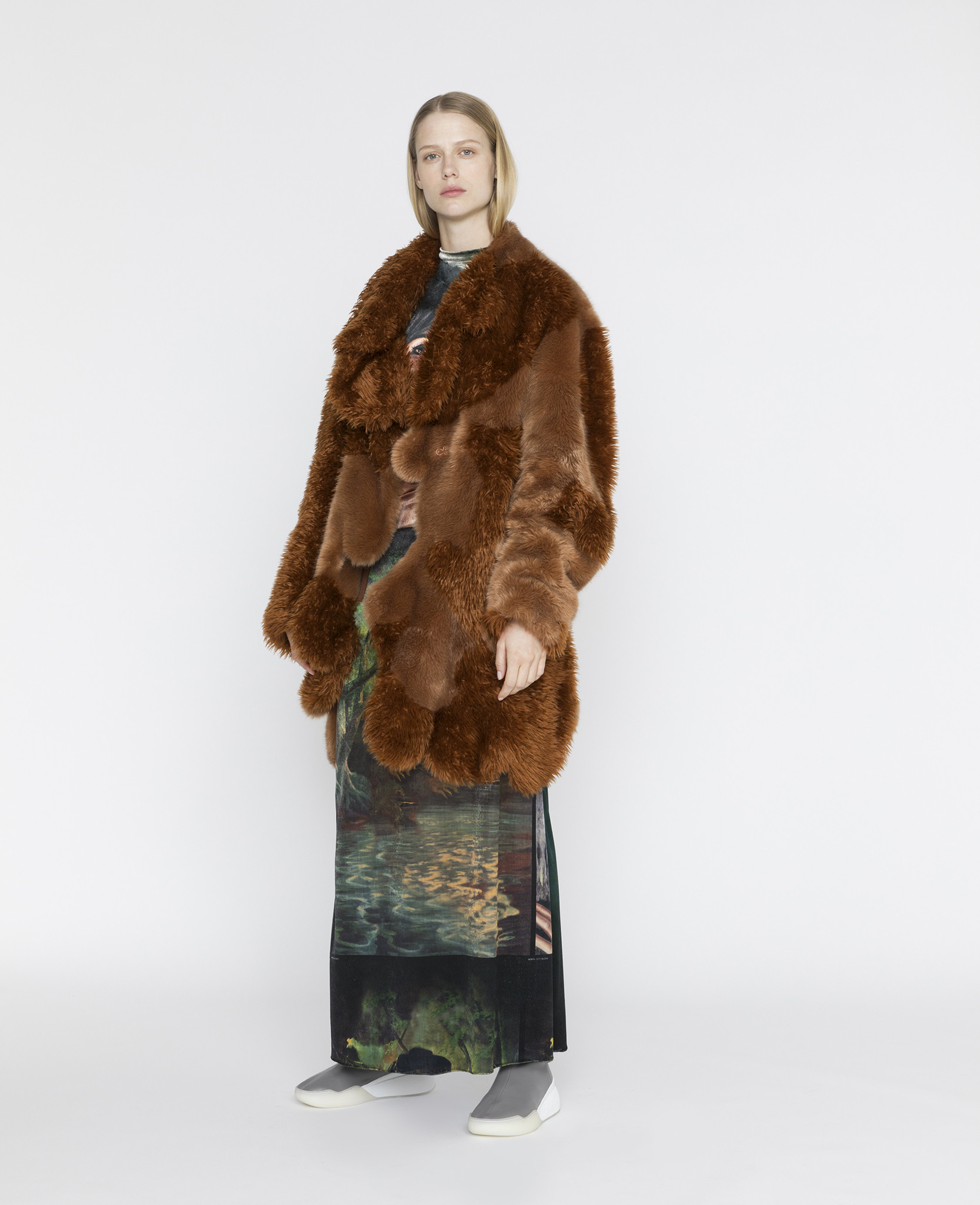
Some of the biggest luxury houses are now treating sustainability as part of their identity rather than a side project. Stella McCartney built her entire label around cruelty-free fashion since 2001 and continues to experiment with materials like mushroom-based leather and seaweed fibre. Kering, the group behind Gucci and Bottega Veneta, has moved into what it calls water positive sourcing, working directly with suppliers to reduce the impact of leather and textile production at the source. LVMH has its own version of this through a programme called LIFE 360, which includes Nona Source, a platform that resells leftover fabric from its fashion houses so it does not go to waste.
Why Craftsmanship Was Always a Little Sustainable
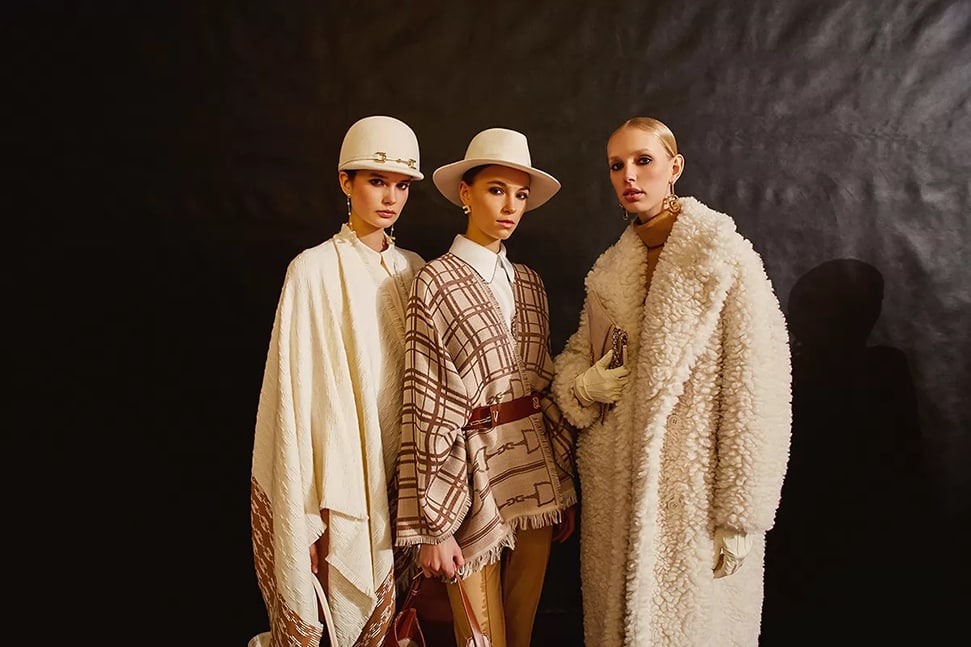
In a strange way, luxury and sustainability were never as far apart as they seemed. A well-made leather bag or a hand-stitched coat is built to last decades, not seasons. That idea of buying one thing that lasts instead of five things that don’t is close to what sustainability asks for in the first place. The problem was never the craftsmanship, it was the pace at which the industry started producing things and how quickly trends began to move.
The Real Tension
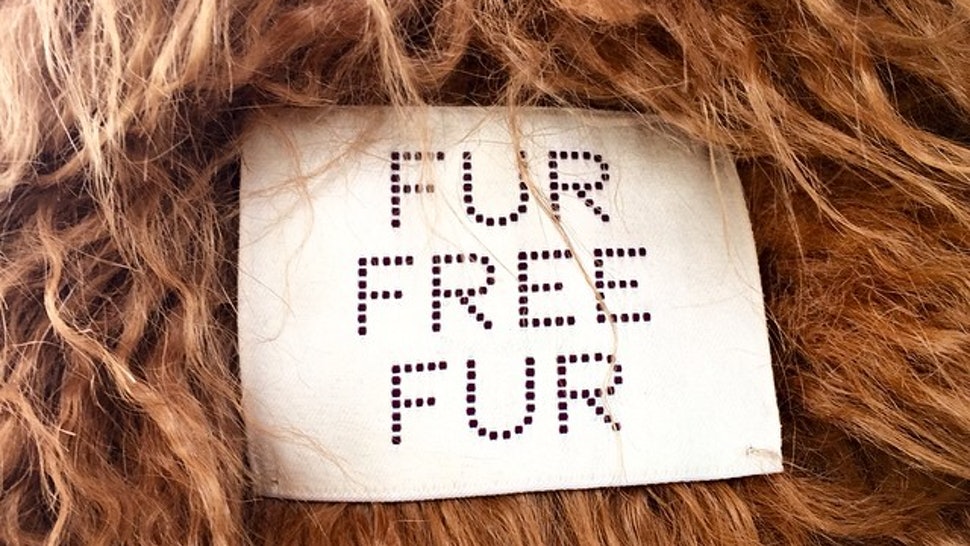
The harder question is scale. Sustainable materials and ethical sourcing cost more and cannot always be produced at the volume big brands are used to. This is why most sustainable luxury still comes from smaller or newer labels, while larger houses are only slowly rebuilding parts of their supply chain. There is also the question of whether brands actually change or simply talk about change well. Vague claims and pretty campaigns don’t always translate to lower emissions or fairer labour practices, and shoppers are getting better at telling the difference.
What This Means for the Way We Shop
For the everyday buyer, this shift is changing what luxury even means. It is no longer just about the logo or the price tag, it is about knowing where something came from and whether it will last. Resale platforms, repair services and material transparency are becoming part of what makes a brand feel premium, not separate from it. Luxury, at its best, was always meant to be a long-term relationship with the things we own. Sustainability is simply asking the industry to remember that.
So can the two coexist? They already are, just unevenly. The brands treating sustainability as part of their craft, not a marketing add-on, are proving it is possible. The rest of the industry is watching and slowly following.