
Every May, the city hosts a celebration of cinema in a small resort city on the French Riviera. There, we see the lineup of stars, directors, and some new faces embracing the red carpet at Cannes. From the glamorous gown to the flashbulbs of cameras, crowds gather around the place to have a glimpse of a face they have only heard and seen on film.
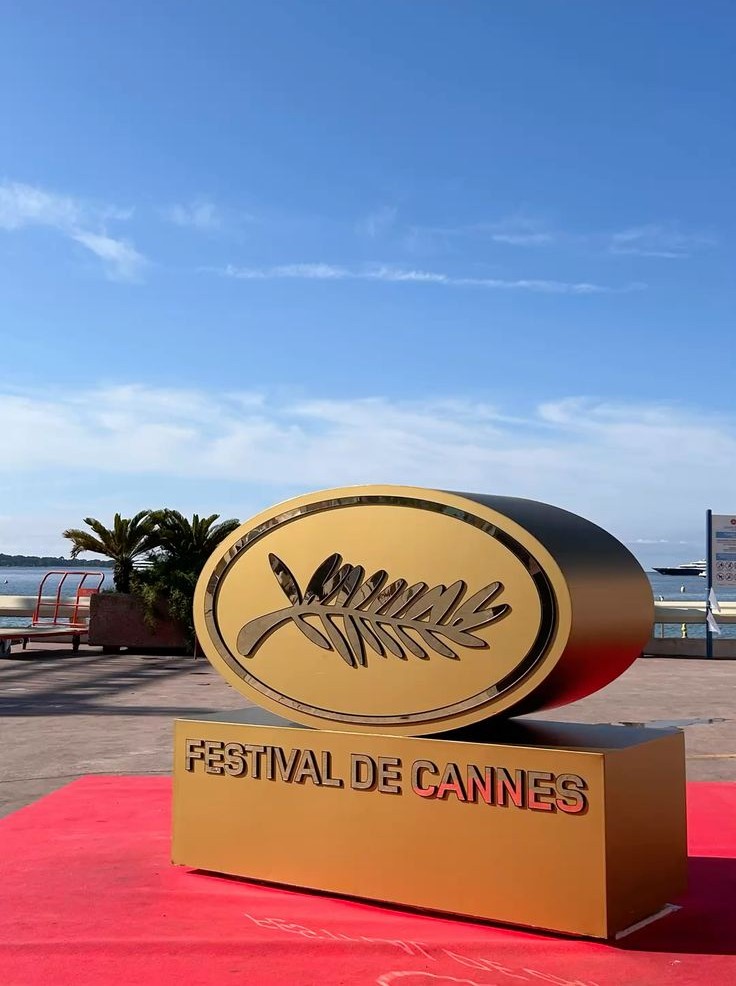
But what the Cannes Festival signifies goes beyond these flamboyant activities. It holds onto something far more powerful and inspiring. It provides opportunities and shapes the careers of the individuals who dare to bring a new perspective to the screen.
Born from Defiance
The formation of Cannes was a protest against totalitarianism and the political influence on cinema. When Benito Mussolini interfered with the Venice Film Festival winner decision to ensure that the French anti-war masterpiece La Grande Illusion didn’t get the first prize, it infuriated the jury and France. As a result, Jean Zay, the French Minister of National Education, and journalist Philippe Erlanger responded with a simple but powerful idea: build a festival that answers to no dictator.
They completed all the required preparation and finalised the location, but the inception of World War II in 1939 halted the launch. It finally opened in September 1946 with twenty-one participating countries, carrying an implicit manifesto: cinema belongs to humanity, not to power.
The Palme d’Or — Cinema’s Highest Honor

What stands at the pinnacle of the festival is the Palme d’Or. Introduced in 1955, this golden palm frond honours the kind of cinema that comes closest to art. Its recipients have explored genres and redefined cinema for the world. This was confirmed by the Oscars themselves when Bong Joon-ho’s Parasite won the Palme d’Or in 2019 and later became the first non-English-language film to win the Academy Award for Best Picture. Four of the five most recent Palme d’Or winners have followed with Oscar Best Picture nominations—a record no other festival can claim.
More Than a Competition
Cannes operates on several levels at once. The Official Selection is the heart of the competition — twenty-one films judged by an international jury. Running alongside it is Un Certain Regard, a section that champions riskier work by emerging directors. Parallel sections like Directors’ Fortnight and Critics’ Week operate independently, often surfacing the most adventurous discoveries of the entire festival.
Then there is the Marché du Film — the world’s largest film market — running simultaneously behind the scenes. Thousands of producers, distributors, and financiers negotiate deals that determine which films get made and which find audiences worldwide. It is unglamorous, intense, and indispensable.
A Stage for World Cinema
More than any other major festival, Cannes has consistently championed cinema the English-speaking world would otherwise miss. Directors from Iran, South Korea, Romania, and Senegal have all found their global audience on the Croisette before the rest of the world caught up. Abbas Kiarostami, Nuri Bilge Ceylan, and Park Chan-wook built international reputations at Cannes first.
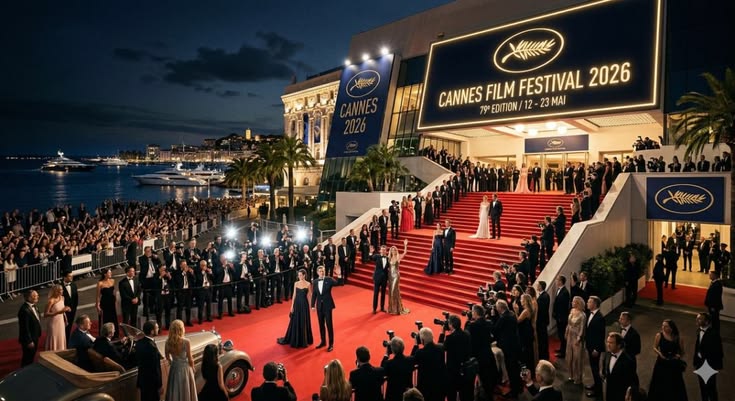
This is not incidental — it is the festival’s mission. By selecting films from across the globe and placing them on equal footing, Cannes insists, year after year, that the best cinema is made wherever there is something true to say and the courage to say it.
Cannes for Every Movie Lover
Here is what the television coverage rarely shows: Cannes is not exclusively for the credentialed and the invited. Every evening during the festival, classic and cult films are screened free of charge on Macé Beach, just opposite the Majestic Hotel. The setting—open sky, the sound of the sea, hundreds of strangers sharing a film together—is exactly as magical as it sounds.
Each morning, hopeful cinephiles gather outside the Palais des Festivals holding handwritten signs requesting spare invitations to the day’s screenings—a tradition with a surprisingly high success rate. For younger visitors, the festival’s Trois jours à Cannes pass offers accreditation for film enthusiasts aged 18 to 28, granting access to curated screenings and events. It is one of the best-kept secrets in cinema tourism.
Why It Still Matters
In an era when algorithms decide what most people watch, Cannes matters more than ever. It remains one of the few places where a film with no stars, no marketing budget, and no franchise potential can still reach an audience that will carry it into the world. The festival’s Cinéfondation programme supports student filmmakers with cash grants; its Atelier programme helps emerging directors find funding. These are investments in the cinema of the next decade.
For the movie lover, Cannes offers something no streaming platform can replicate: the experience of discovering a film at the exact moment the world discovers it. Of sitting in a theatre where the director is present, where the audience contains the people who fought for the film, and where the reaction in the room will determine its fate. That is irreplaceable — and that is the real Cannes, not a place you visit for the celebrities. It is a place you visit to remember why cinema matters.