
From the heartfelt melodies of Dil Tu Jaan Tu to his recent performance at Nykaaland 4.0 in Delhi, Gurnazar has continued to build a musical journey shaped by emotion, experimentation and a desire to connect with listeners. As a singer, songwriter and composer, he has found his own way of approaching music, drawing inspiration from personal experiences while remaining open to new sounds and creative possibilities. In a conversation with TMM India, Gurnazar reflects on the moments that shaped his journey, the story behind his songwriting, collaborating with Rahat Fateh Ali Khan and why staying true to himself matters more than chasing expectations. He also shares his excitement about Nazar Ke Saamne, his upcoming musical show, and the lasting connection he hopes to create through his songs.
From College Stages to Finding His Calling in Music
For Gurnazar, the first attraction to music wasn't necessarily the songs themselves but the stage. Watching performers as an audience member, he would imagine himself in their place, drawn to the idea of standing before a crowd and creating a moment that people could share. “I was craving stages,” he recalls. What appealed to him was the energy of performing live, singing while people watched, enjoyed the music and sang along with him. His college, SD College in Ambala Cantt, played a defining role in turning that fascination into a possible career. Known for its active cultural scene, it exposed him to talented performers and gave him opportunities to experience live music up close. Among his early memories was watching Parleen Gill, who appeared in the third season of Indian Idol in 2007. The experience left an impression on Gurnazar, bringing the stage he had admired from afar a little closer to his own reality. Looking back, he believes that had he not attended the college, he might not have become an artist today.
How Gurnazar Found His Voice Through Songwriting
For Gurnazar, the journey towards finding his own identity as an artist began when he realised he wanted people to know him for his music. In his early days, he would perform songs by other artists, often taking requests from the audience. But somewhere along the way, he began wishing for his own songs to become popular enough that people would come to hear him. That desire led him to songwriting and composition. His first song, Nede Nede, which he wrote and composed, gave him the confidence to continue creating music of his own. Seeing people connect with his songs and come to his performances for his music brought him a different kind of happiness.
Over the years, his growth has extended beyond the music itself. He feels more confident on stage today and has become more mindful of the technical aspects of performing live. His approach to presentation has also evolved with time, reflecting the experience he has gained along the way. For Gurnazar, one of the most fulfilling parts of this journey has been moving from being someone who sang for an audience to becoming an artist whose own songs give people a reason to listen.
How His Mother Inspired His First Song
For Gurnazar, songwriting began with a moment close to home. He was in Class 12 when he returned home from work one day and found her feeling low. She had written a few lines about how difficult it can be to express what is happening in your life to others. Gurnazar decided to complete those lines, turning them into the first song he ever wrote. “I didn't even think about whether it would turn out to be a good song. I just wanted to record it and play it for my mother,” he recalls. But when she listened to the finished song, her eyes filled with tears. His friends, too, appreciated what he had written, encouraging him to explore this side of himself further.
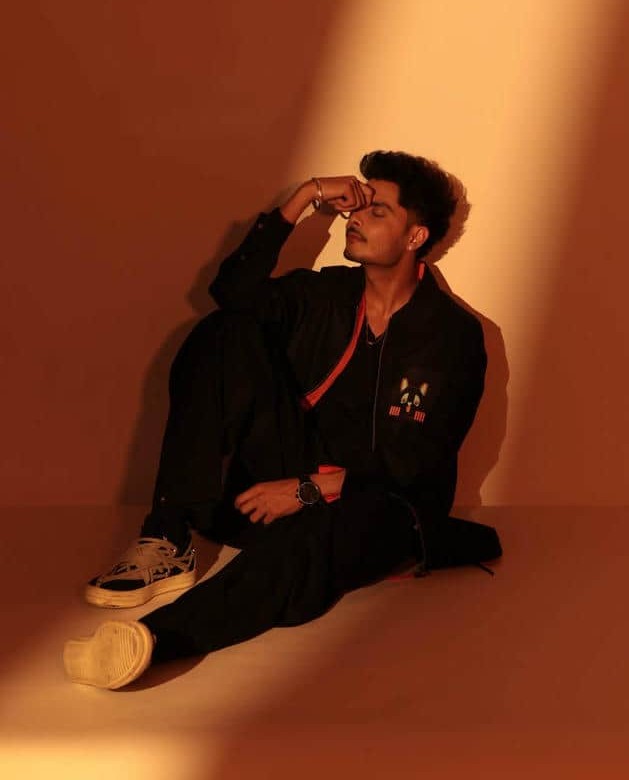
At the time, Gurnazar was working as a skating coach and saving whatever he could to record his songs. He continued writing about his own feelings and experiences, eventually performing original songs on social issues at live shows. The response from audiences made him realise that he wanted people to know him for his own music. Even as music became his profession, he says his approach to creating it has remained much the same. Commercial success has brought him opportunities and made his life better, but the feeling that drives him to write has not changed. He still wants to create music because something moves him to express it, just as it did when he first completed those lines for his mother.
‘Dil Tu Jaan Tu’: A Song That Could Live Across Generations
When Dil Tu Jaan Tu became a hit, Gurnazar didn't see it as a formula he could replicate. In fact, he believes some of his other songs are just as good, but no artist can predict which song will find its way into people's hearts. “I made Dil Tu Jaan Tu the same way I make my other songs. I followed the same process, and I think every song has its own destiny. Sometimes, a song feels like something that has been sent to you,” he says.
For him, the song has become a milestone that could connect him with listeners for generations. He recalls seeing social media videos of very young children listening to it, a response that made him imagine a future far beyond the song's present success. “Today, there are children who are just two or three years old listening to this song. When I'm older and performing it on stage, they'll be grown up and singing it with me. That thought makes me feel lucky,” he reflects. The success has also brought him the joy of reaching people who may not even know his name but recognise his music. While different songs find different audiences, Dil Tu Jaan Tu has reached listeners across generations, giving him a sense of connection that extends beyond his existing fan base. His experience has taught him not to become too attached to either success or disappointment. For Gurnazar, the important thing is to keep working, trust the process and, above all, remember to be happy along the way.
Inside ‘Kohinoor’: Gurnazar on Experimenting With New Sounds
For Gurnazar, making music has always been about exploring different sounds rather than staying within a familiar genre. His EP Kohinoor reflects this approach, with tracks that experiment with Afro-inspired beats and sounds beyond his usual romantic and sad songs. “People seem to enjoy my sad and romantic songs more, and I can see that in my streaming numbers. But I still enjoy experimenting. You can write songs about love and heartbreak on your guitar, but sometimes you also feel like making something completely different,” he says. Not every experiment finds the same audience, but Gurnazar doesn't want that to stop him from trying something new. He believes an artist's choices should come from their own instincts, even when those choices don't work out as planned. For him, the important thing is to keep creating, learn from the experience and trust the process.
He also recognises that the music industry has changed considerably over the years. While television and music channels once played a major role in helping artists reach listeners, today's audience discovers content across platforms, from Instagram Reels to YouTube Shorts and streaming services. “Today, music is no longer always the first thing people turn to. There are so many other forms of content competing for their attention,” he observes. For Gurnazar, this means that artists must be willing to step outside their comfort zones and understand how audiences consume content today. Experimentation, he believes, is not just about discovering new sounds; it is also about continuing to grow and finding ways to remain connected with listeners in a changing industry.
What Working With Rahat Fateh Ali Khan Taught Gurnazar
For Gurnazar, collaborating with Rahat Fateh Ali Khan on Dost Banke was a milestone he hadn't imagined quite this way. He describes the legendary singer as a genuinely sweet person, recalling how nervous he felt about asking him to re-record a portion of the song when the first version didn't quite meet his expectations. “I was hesitant to ask such a legendary artist to record the song again, but he did it. That meant a lot to me,” Gurnazar recalls. What stayed with him just as much was Rahat's support after the song was released. He was pleasantly surprised to see him perform Dost Banke at live shows and acknowledge Gurnazar when introducing the song to audiences. For Gurnazar, that gesture was particularly meaningful, especially coming from an artist whose own musical legacy speaks for itself.
The two also collaborated on Taaza Taaza Khabrein. Although the song didn't receive the same response as Dost Banke, Gurnazar appreciated that Rahat brought the same effort and commitment to it. For Gurnazar, the experience was about more than working with a celebrated voice. It was about seeing an established artist treat his music with care and give the collaboration his full support.
Why Gurnazar Chooses Authenticity Over Expectations
For Gurnazar, balancing creative instincts with audience expectations begins with not letting those expectations take control of his music. He believes that constantly thinking about what people want can take away the joy of creating. “I started this journey for myself, for my own satisfaction. I make the songs that I like, the ones that make me feel something, and release them. When people love them too, it makes me really happy. I love my audience and the love they give me, but I don't expect them to love every song equally,” he says.

He understands that every song will not resonate with everyone, and not every release will achieve the same success. For him, expecting otherwise can only lead to disappointment. Instead, he prefers to enjoy the process and stay connected to what feels right to him as an artist. He also believes that audiences’ tastes change with time, sometimes within just six months. Trying to follow every shift, he feels, can make an artist lose what sets them apart. “I think the artists who manage to create their own journey are the ones who stay true to their own elements instead of changing with everyone else. My effort is also to continue creating what comes from within me, rather than making something because I see someone else doing it or because someone tells me to,” he reflects. For Gurnazar, then, the balance lies in appreciating his listeners without allowing their expectations to define his next move. His aim is to keep making music that feels authentic to him, trusting that the connection with his audience will follow naturally.
Nazar Ke Saamne: Creating a New Musical Experience
For Gurnazar, the journey ahead is about continuing to create music without trying to predict which song will connect with listeners. He believes every song finds its own emotional connection with different people, and he intends to keep making and releasing music, trusting that process. At the moment, however, there is one project he is particularly excited about: Nazar Ke Saamne, his upcoming live musical show. The auditorium show will bring together his original songs and some iconic tracks that listeners may have grown up hearing. He is also experimenting with different musical influences, bringing in elements of Rajasthani and Kannada music alongside Punjabi sounds and lighter, unplugged arrangements. “I have wanted to do a show like this for a long time. I have performed live before, but I haven't done an independently organised, ticketed auditorium show of my own. This is the first time I'm trying something like this, and I'm experimenting with so many different things. I'm really excited about it, and I hope the audience gives it love,” he shares.
When asked what he hopes people remember about his music, Gurnazar's answer returns to something simple: the emotions his songs leave behind. “I want people to remember my voice, keep listening to my songs and pass them on to future generations. If it's a sad song, I want them to feel it enough to cry. If it's a happy song, I want them to smile or dance. Whatever emotion a song carries, I want the listener to experience it fully,” he says. For Gurnazar, that emotional connection is what makes the journey worthwhile. Whether a song brings someone to tears or makes them get up and dance, he hopes his music continues to give people a reason to feel something, long after the song has ended.
Making Music That Lives Beyond the Moment
For Gurnazar, music has never been just about creating a hit; it is about making people feel something. Whether it is a song that brings back memories, offers comfort during heartbreak or gives someone a reason to smile, he hopes his music continues to find a place in people's lives. As he explores new sounds and prepares to bring Nazar Ke Saamne to the stage, his focus remains on creating what feels true to him. Perhaps that is what he hopes to leave behind: not just a voice people recognise, but songs they return to, feel deeply and pass on to the generations that follow.