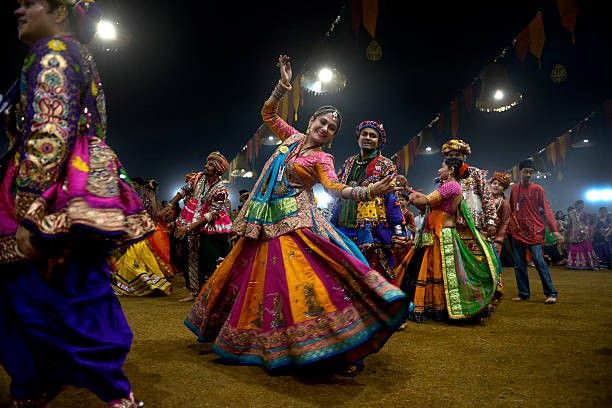
When connecting India with the world, the arts can be a powerful medium—especially dance. But while India’s dance forms are increasingly mainstream, Western dance styles remain largely misunderstood by Indian audiences.
As this profession is hardly viewed as a source of income, imagine quitting a well-settled job and asking permission to pursue dance from a family dedicated to the armed forces. For Dr. Sandip Soparrkar, the answer was evident, but he had to remain adamant. “Either I can be happy or work,” he said. “So I guess when I spoke to my parents about it, my father was just not for it at all.” Though it took months, his family finally gave in to his honest enthusiasm, which was his very first win toward his dream. “I believe that family support and, most importantly, family blessings are very important,” he said with a smile.
From a corporate employee to one who redefined the Indian view of Western dance forms, Dr. Soparrkar played a significant role in popularizing Western dance styles in the Indian dance setting. Examining his work and achievements, our interview with him left us inspired while reminding us of the beauty of dance that transcends every boundary, language, and culture.
An Unexpected Support That Became a Dependable Source of Reassurance
While in most journeys, the pillar of support is typically a family member, friend, or partner, for Dr. Soparrkar, apart from his mother, it was his boss, Sheetal Pinto, who supported his decision. “She told me once, ‘Sandip, you go and try. Your dance is good. After four or five years, if this doesn’t work out, you can always come back. I will keep the position vacant for you,’” Dr. Soparrkar reminisced.
This assurance further strengthened his decision. Fortunately, he did not have to return to his old job, but he remains in touch with her, discusses old times, and is still appreciative of her support.
Abundance of Opportunities in the Dance Profession
As a successful dancer whose career spans almost three decades, he draws a comparison between his early years as a performer and the contemporary era for newcomers. He emphasises the wide range of opportunities available today compared to his time, making the profession comparatively less uncertain. “You have choreographies for stage shows, television, films, musicals, government shows and weddings, which enable a dancer to earn and explore without worrying much,” he said. “And with social media in the mainstream, you can earn money by simply showcasing your performance through it. Thus, there is a lot of scope today for the younger generation compared to what it was for us.”
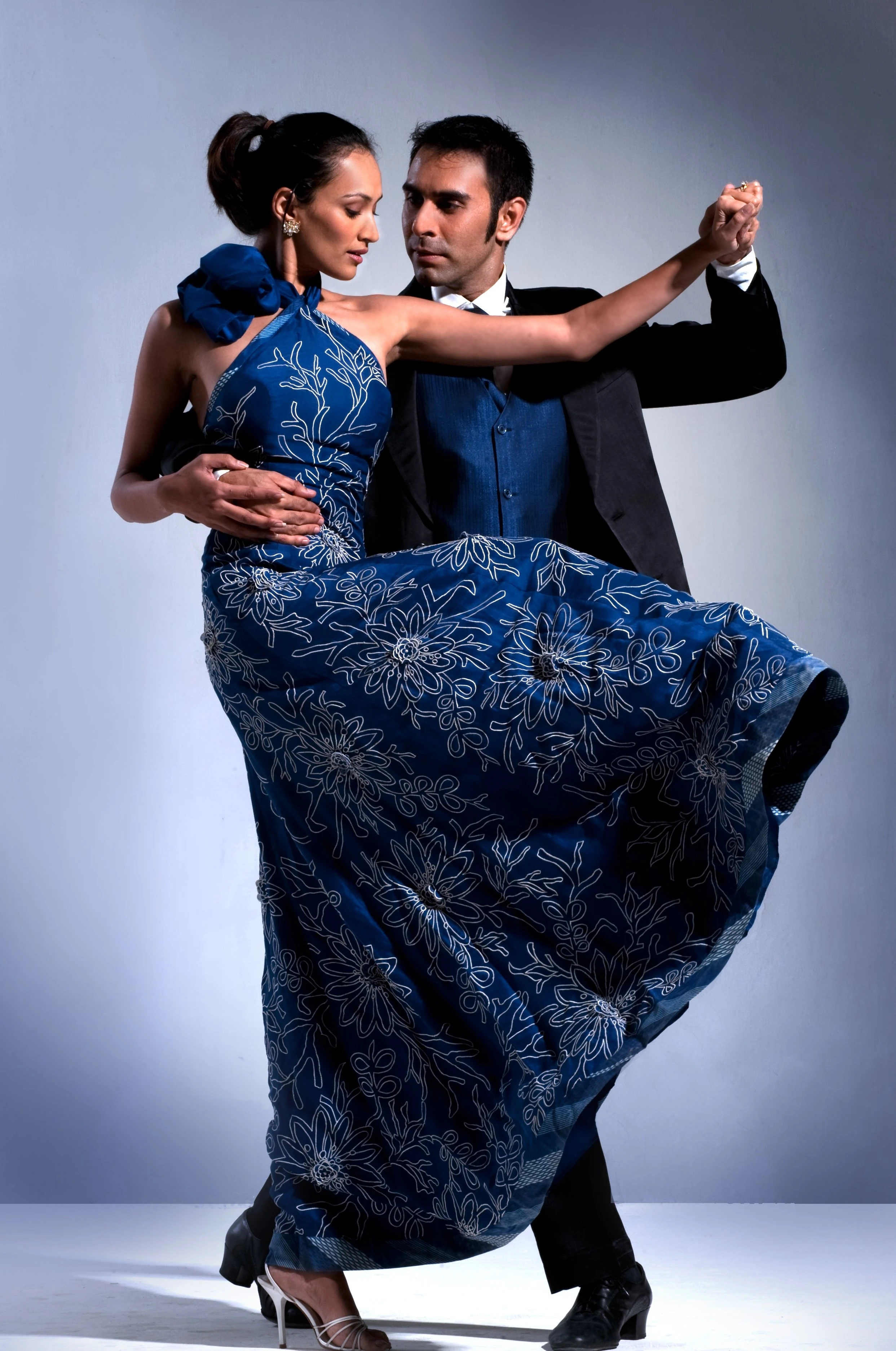
While entering this field has become easier, what remains difficult is staying consistent and in shape. Especially in dance, where your body syncs with the rhythm of music, keeping yourself healthy and fit takes utmost priority. “If you want to dance all your life, you have to take very good care of yourself. Otherwise, the time can be very short for a dancer,” he said—a thought that reflects on the fitness and discipline that have sustained his long career.
The Stereotype Towards Ballroom and Latin Dance Forms Among Indian Audiences
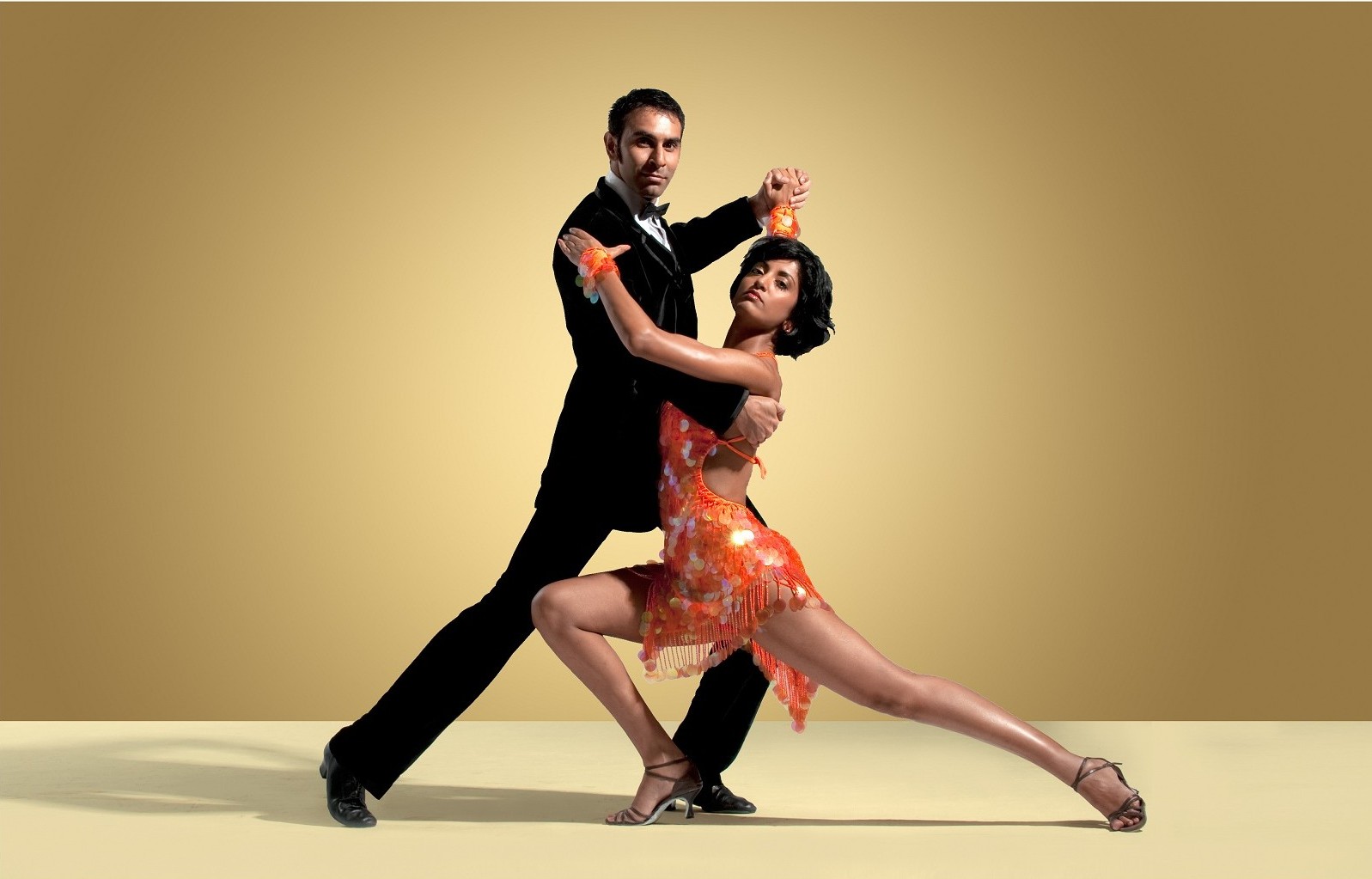
Similar to Indian dance forms that consist of various classical styles and are performed with reverence, ballroom and Latin dance forms are also Western classical styles. But the lack of cultural exchange and awareness among Indian audiences hinders their understanding of the craft. “It is not about daru in one hand and a woman in the other. But that is the attitude they have towards ballroom dancing and Latin American dancing,” explained Dr. Soparrkar. “Not many people know or are aware that ballroom dance has seven basic postures—every posture aligns with a vow. It means that your life is the dance floor, and you both live the seven vows together for the rest of your life.”
India Dance Week—The Inclusive Platform for Dancers
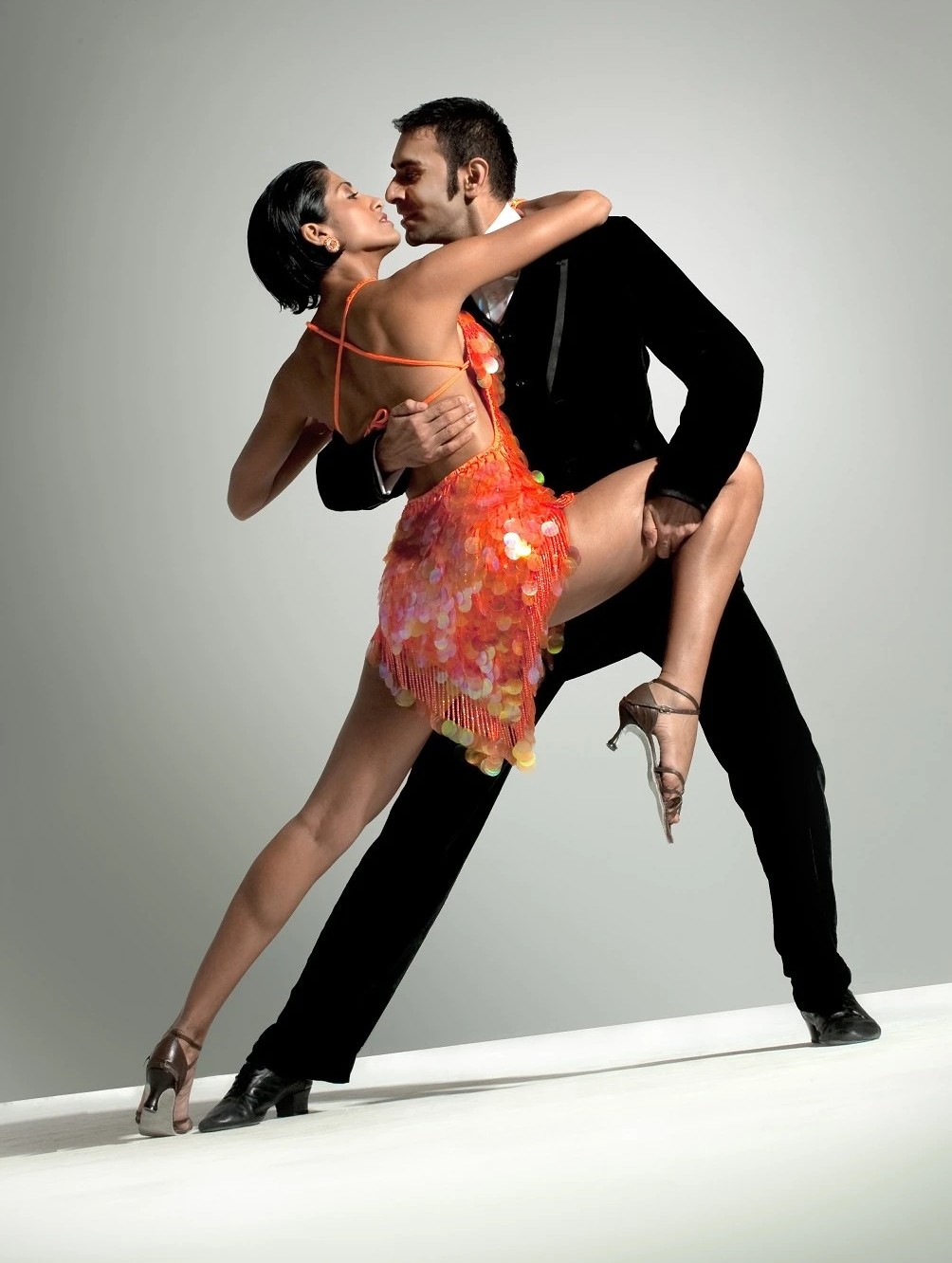
The notion that dance and dancers should not be separated based on form and variation gave birth to this platform. Every genre and style is a language of emotion articulated through performance. Bringing all of them onto a single stage became Dr. Soparrkar’s ambition. “A platform where you can see and experience everything and then choose whatever you like. The India Dance Week platform is a stage for that.”
With this idea in mind, India Dance Week has completed four seasons so far and continues to expand its horizons by keeping inclusivity at its core—embracing every form and category with an open heart and grace.
An Experience With Impaired Children and Dancers
For Dr. Soparrkar, dance is not restricted to those who fit the conventional definition of a performer. His work with autistic children, Parkinson’s patients, people with visual and hearing impairments, acid attack survivors, leprosy patients, and wheelchair users has widened his own understanding of the art form. “We always think dance is for those whose hands and feet move, whose eyes move, and whose brain moves. Only they can dance. But according to me, dance is for everyone,” he said.
His association with visually impaired dancers also led him to curate a dance programme that is now used by blind schools in the United States, for which he received the Visionary Award. He recalls witnessing autistic children respond to music in ways that can be deeply moving. “When the music is on, the way their body blossoms, I think sometimes it doesn’t even happen with the dancers,” he said.
This belief in accessibility continues to shape India Dance Week as well. Alongside classical, folk, contemporary and Western performances, the platform aims to include dancers from marginalised and differently-abled communities—reminding viewers that no one has the authority to decide who can and cannot dance.
The Evolution of Dance in Indian Cinema
Having choreographed for films and worked closely with the changing landscape of entertainment, Dr. Soparrkar sees Indian cinema as a reflection of the country’s evolving relationship with dance. From the classical influence of silent and black-and-white films to the arrival of folk, cabaret, disco, jazz, ballroom, contemporary, and Bollywood styles, Hindi cinema has constantly created space for new forms of expression.
He credits performers and choreographers such as Shammi Kapoor, Helen, Mithun Chakraborty, Govinda, Shiamak Davar, and Terence Lewis for bringing distinct styles to the screen. “Today, our cinema has everything,” he said. “We are not keeping ourselves limited to one particular dance form.”
For him, choreography begins not with spectacle but with listening. Before visualizing a sequence, he listens to a song repeatedly with his eyes closed while keeping the director’s brief and the situation in mind. The words, mood, and narrative of the song determine whether the choreography needs emotion, grandeur, or simply movement.
From Reel Dancer to Real Dancer
For aspiring dancers, social media has become a powerful pathway to visibility. Dr. Soparrkar believes that sharing dance reels can genuinely lead to opportunities, as he himself has discovered artists online and invited them to join his shows. However, he also offers an important reminder: visibility should be accompanied by ability.
“There is no harm in being a reel dancer,” he said. “It’s just that when the reel dancer becomes a real dancer, you should be able to do it properly.”
His journey—from seeking his family’s permission to pursue dance to creating platforms for performers across abilities and genres—stands as proof that passion needs both courage and discipline. For Dr. Soparrkar, dance is ultimately more than a career or performance; it is a language that allows people to belong, communicate, and move forward together.