Clay & Cultural Heritage
Nestled on the Red River’s banks, just 13 kilometres from Hanoi’s centre, Bat Trang Village stands as Vietnam's top destination for handmade ceramics. With a history spanning over 700 years, it is celebrated for its traditional ceramics, talented artisans, and vibrant cultural heritage. The name Bat Trang means "bowl workshop," highlighting its historical focus on pottery, especially during the Ly and Tran dynasties. Over time, this modest village has grown into a lively community dedicated to ceramic production, serving Vietnamese homes and exporting to Japan, Europe, and beyond.
Quality of Clay & Raw Materials
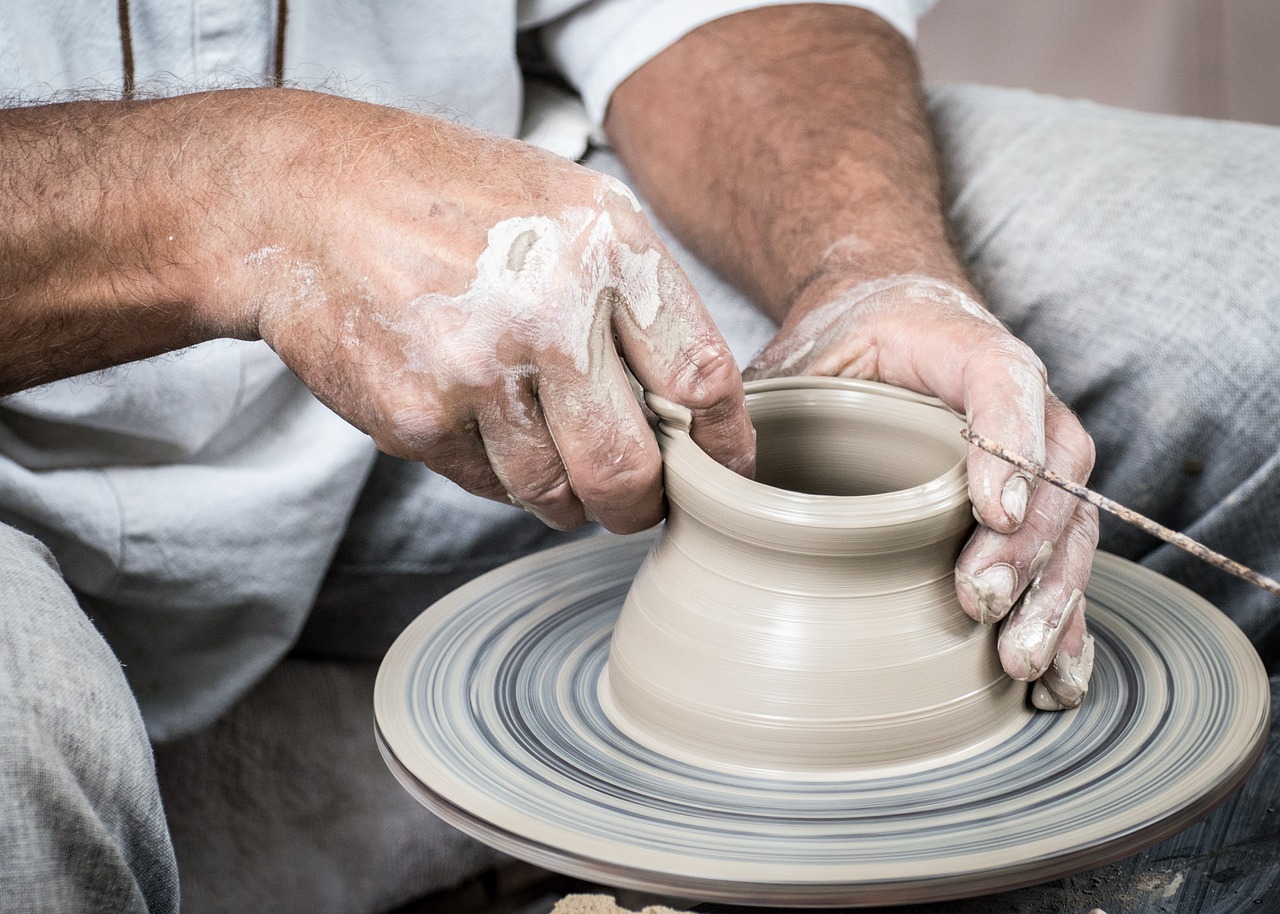
The key to Bat Trang’s ceramics is its clay, sourced from the riverbanks. This white clay, rich in kaolin, is malleable when wet and transforms into a hard, durable finish after firing, making it perfect for shaping. Artisans blend natural minerals, such as feldspar and quartz, into the clay before shaping it by hand, on a wheel, or in moulds. The traditional process involves six precise steps: preparing, shaping, drying, trimming, glazing, and firing the clay in kilns that reach temperatures of up to 1,300°C. These kilns can be traditionally wood-fired or powered by gas or electricity.
Artistic Variety & Traditional Motifs
Bat Trang maintains a diverse artistic style. The village produces a wide range of items, from classic blue-and-white porcelain tea sets to decorative glazed ceramics, including vases, statues, incense burners, and wall tiles. These products often feature motifs such as dragons, phoenixes, lotus flowers, and bamboo, which hold cultural and spiritual significance in Vietnam. Beyond their practical use, these items also serve ceremonial purposes in temples and worship spaces.
Tourism & Interactive Workshops
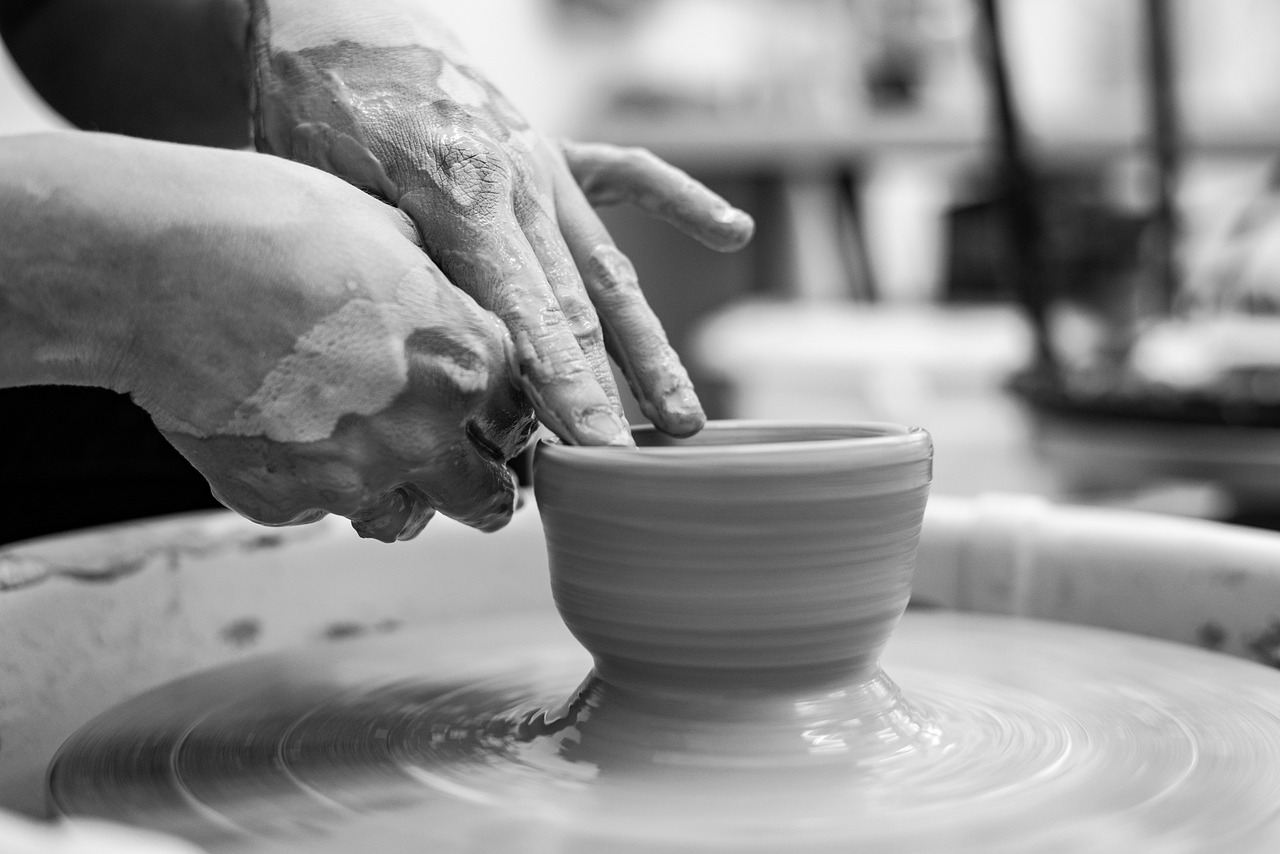
Recently, Bat Trang has become a favourite destination for tourists and craft lovers alike. Visitors can explore the expansive pottery markets, participate in hands-on workshops to craft their own ceramics, and visit the Bat Trang Pottery Museum. The museum’s architectural design, with its curved, funnel-shaped structures resembling a potter's wheel, is striking. It showcases the history of Bat Trang ceramics from ancient origins to modern innovations, and provides space for artisans to display their work.
Economic Impact & Global Reach
The ceramics sector is vital to Bat Trang’s economy, beyond its cultural and artistic importance. The village hosts over 1,300 pottery households and approximately 200 active workshops, producing millions of pieces annually, which generate significant export earnings. Today, Bat Trang ceramics are available worldwide, sold in retail stores and featured in international museums, establishing the village’s reputation globally.
Heritage Preservation & Contemporary Innovation
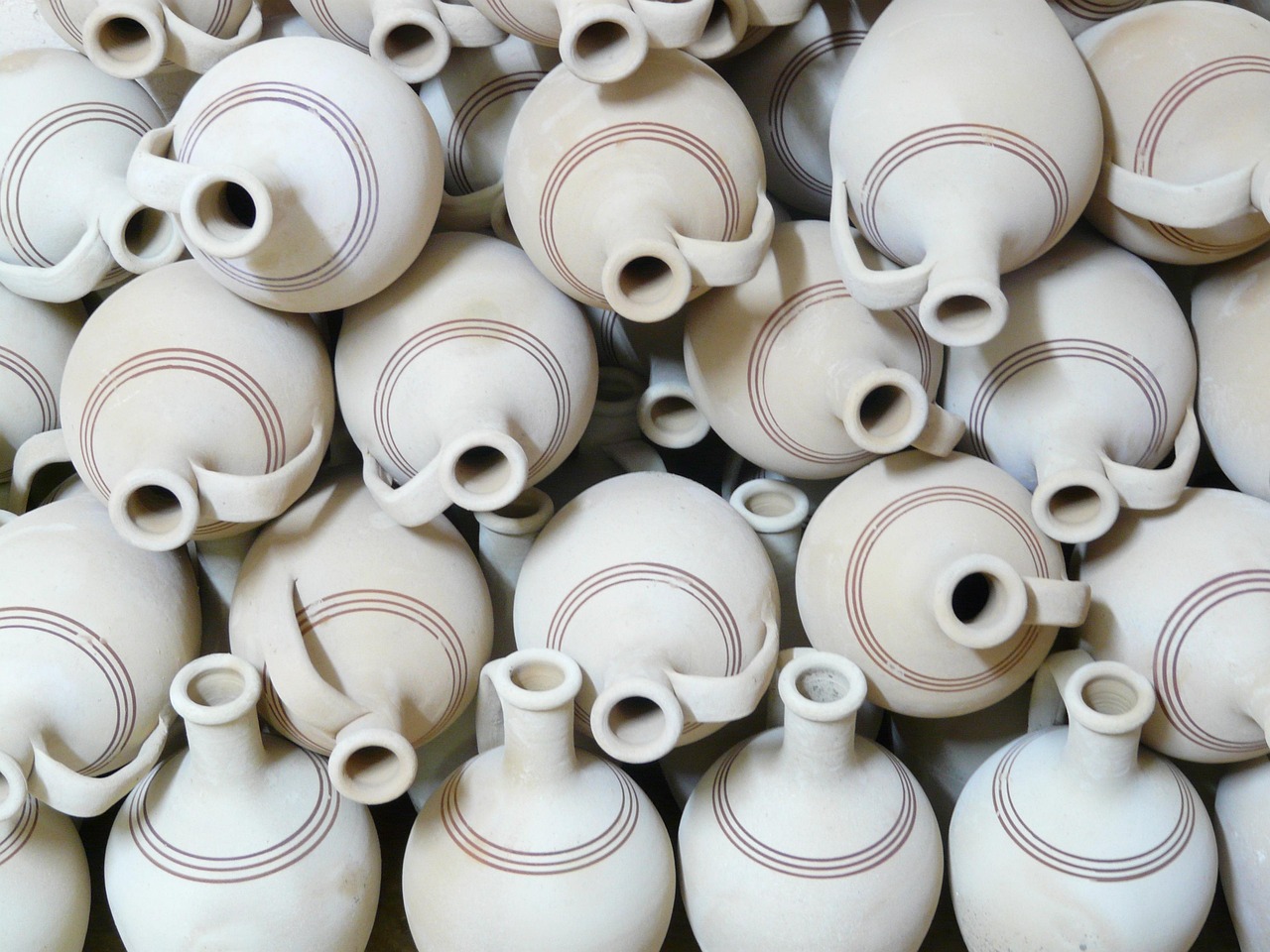
More than just a village, Bat Trang acts as a living museum of Vietnamese ceramic heritage. Its continued relevance exemplifies harmony between tradition and modernity, with ancient techniques adapting to contemporary tastes. Whether seeking authentic home décor or interested in witnessing traditional craftsmanship, Bat Trang offers a valuable and enriching experience.