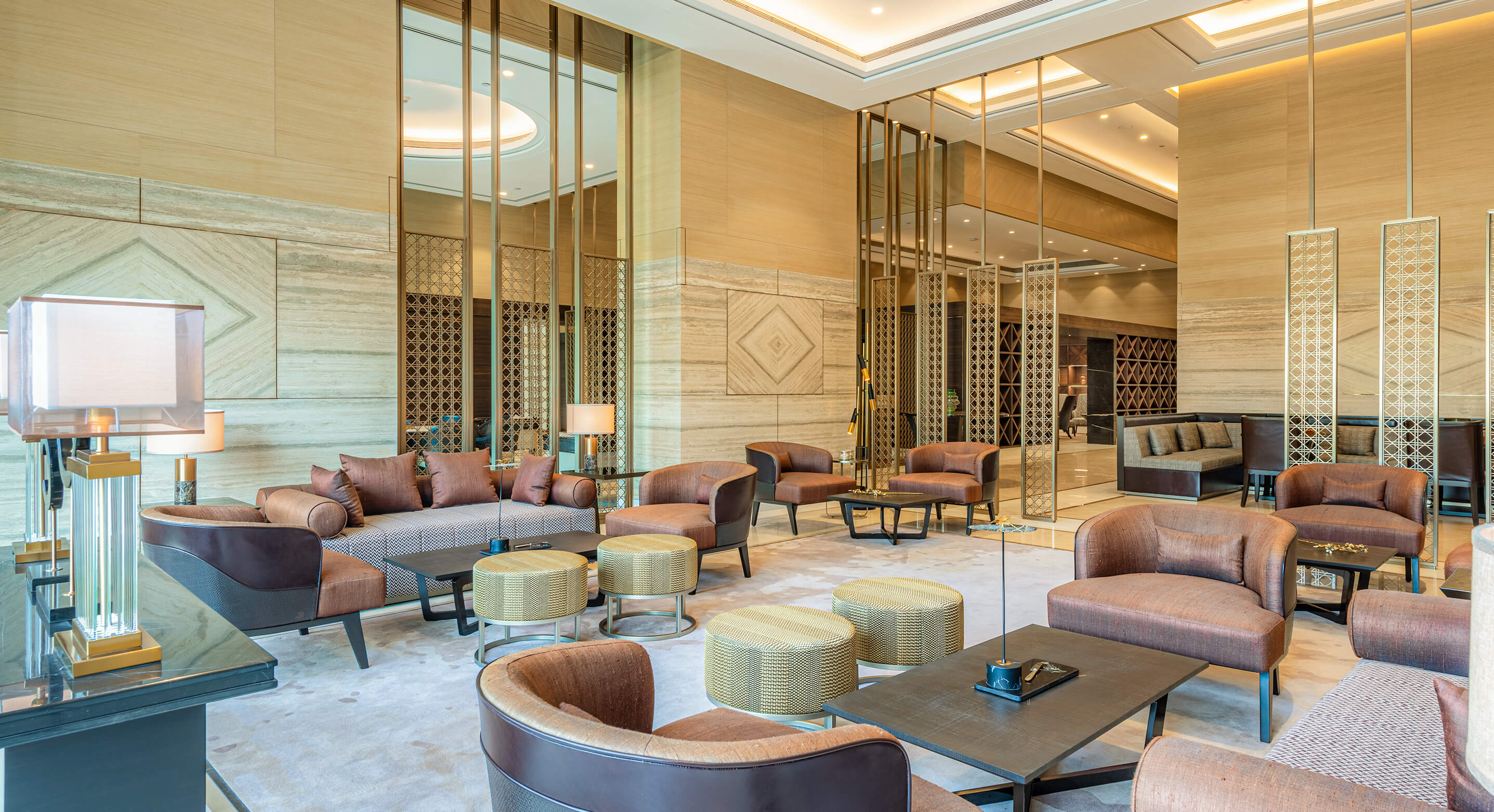

There was a time when redesigning a room meant weeks of flicking through catalogues, arguing over paint swatches, and spending money on furniture that looked completely different once it arrived. Now, a growing number of homeowners are doing much of that preliminary planning using AI-powered design tools that generate room layouts, colour palettes, furniture configurations, and lighting schemes in under a minute. While these tools cannot fully predict how a finished home will feel or function in real life, they offer a strong visual starting point and help homeowners make more informed decisions before committing to such expensive changes. AI applications are successfully ‘assisting’ interior designers to replace the human understanding behind a truly liveable home.
From Photo to Floor Plan in Seconds
The shift is real and moving fast. Apps like RoomGPT and Planner 5D allow users upload a photo of an existing room and receive multiple redesigned versions within seconds. The technology reads the spatial layout, identifies architectural features, and produces visual mockups styled to whatever aesthetic the user selects, whether that is the clean geometry of Scandinavian design, the warm natural textures of Japandi, the curated clutter of bohemian interiors, or the layered excess of maximalism. Homeowners are no longer relying entirely on imagination. Instead, they are able to visualise possibilities before a single purchase is made.
This matters most for the decisions that carry highest financial risk. Buying a sofa is a commitment. Painting a wall is a gamble. AI visualisation tools let people run those experiments digitally before touching a credit card. A homeowner renovating a small flat can test a burnt-orange feature wall, swap it for sage green, rearrange the furniture twice, and settle on a direction before ordering anything. The cost of changing your mind drops dramatically.
A Tool Built for Renters and Tight Budgets

The technology has found particularly enthusiastic users among renters and people working with limited budgets. When structural changes are off the table, layout and styling are the only levers worth pulling. AI tools designed around these constraints help renters extract the most from awkward floor plans, low ceilings, and small windows, offering furniture scales and lighting suggestions calibrated to the actual room rather than a showroom fantasy. For someone furnishing a studio flat on a tight budget, ‘precision’ matters enormously.
The Emotional Pull of a Dream Space
There is also something less practical at play. Designing a home, even a rented one, is an emotional act. A living room is not just furniture arranged logically. It is a statement about how someone wants to feel when they walk through the door. Social media has made this aspiration sharper and more specific. A single post tagged with a trending interior style can attract hundreds of thousands of saves, which means people arrive at AI design tools with a clearer sense of what they want and a clearer awareness of what they do not yet have. The tools meet that need well. They translate mood board aesthetics into something spatially coherent, taking the linen cushions, the rattan shelving, and the trailing plants of a Pinterest board and arranging them into something more practical and achievable within the user’s own space.
What AI Cannot Replace
Interior designers have watched this development with understandable interest, and the response from the profession has been largely pragmatic. AI handles the generic well. It moves quickly through colour theory, manages furniture placement competently, and proves genuinely useful for clients who struggle to visualise abstract concepts in three dimensions.
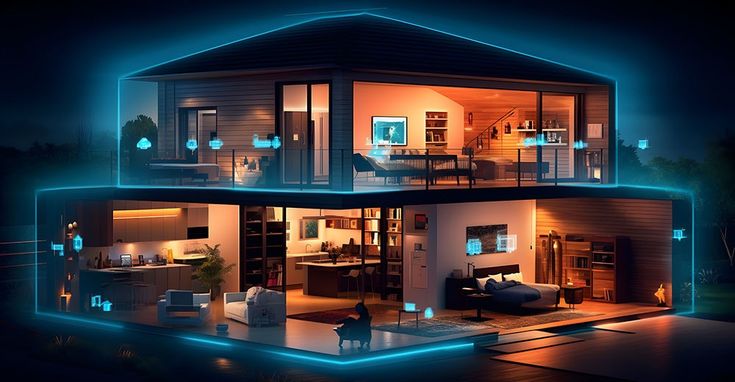
But it cannot fully understand the emotional rhythms of a household in the way a human designer can. AI may suggest a beautiful layout, but it cannot completely grasp how a family moves through a space, how certain colours affect a person emotionally, or why a particular corner of a home matters deeply to someone. It does not know that the west-facing wall should stay clear because of afternoon glare, or that a growing family will outgrow a particular dining table within two years. The experience-led judgements that distinguish a room that photographs well from a room that genuinely feels like home remain, for now, a human skill.
That distinction is important because AI is not replacing interior designers. It is supporting and streamlining parts of the design process. In many cases, it has actually made conversations between clients and designers more productive by helping people communicate their preferences more clearly before the first meeting. The technology works best as a facilitator for creativity and planning, while the emotional intelligence, lived experience, and personal understanding still come from the designer behind the project.
Designing for the Individual
The future direction of the technology points toward more personalisation. Tools are beginning to incorporate lifestyle preferences, stated aesthetic goals, and even a user’s existing furniture into their recommendations, narrowing the gap between inspiration and implementation. At the same time, AI is best understood as a creative aid rather than a replacement for interior designers. It can help homeowners visualise possibilities and make quicker decisions, but the emotional understanding and personal insight that make a space truly feel like home remain ‘deeply human’.