
Your body requires an adequate amount of water to prevent problems caused by dehydration. Many Indians think drinking water only when they feel thirsty is enough to avoid dehydration, but thirst is more than just a sign—it's an indication that your body is already running low on fluids. Even mild dehydration (around 1–2% loss of body fluids) can lead to symptoms like dry mouth and lips, mild headache, and lack of concentration. In many cases, these symptoms can be relieved by drinking water or an oral rehydration solution. However, if dehydration becomes severe, it requires immediate medical attention.
Why Are Indians Especially at Risk of Dehydration?
India's hot climate and spicy food, along with the frequent habit of drinking chai and coffee, can contribute to dehydration. In some parts of the country, temperatures can cross 50°C during severe heatwaves, while the habit of drinking water only after feeling thirsty increases the risk of chronic mild dehydration, making many Indians more susceptible to the condition.
5 Signs of Dehydration — Each With Its Science and India-Specific Angle

Dark and Infrequent Urine
One of the most effective ways to determine whether you are hydrated or dehydrated is by observing your urine's colour. Pale yellow urine generally indicates good hydration, while dark yellow or amber-coloured urine suggests dehydration. Infrequent urination accompanied by dark urine and a strong odour may indicate significant dehydration and should not be ignored. The best time to observe your urine colour is in the morning before consuming tea or coffee. If your urine remains dark even after adequate fluid intake, consider consulting a healthcare professional.
Fatigue and Brain Fog
Fatigue and brain fog are common symptoms of dehydration, especially during the afternoon. Many people mistakenly blame these symptoms on a heavy lunch, but even a 1–2% loss of body fluids can affect blood circulation and cognitive performance, leading to poor concentration and low energy levels. Instead of immediately reaching for another cup of chai or coffee, drink one or two glasses of water and wait about 20 minutes. If your energy levels improve, dehydration was likely the cause.
Headache
Dehydration reduces the amount of water available in the body's tissues, including the brain, which is about 73% water. This change can contribute to headaches in some people. We often blame screen time, stress, or India's scorching heat, while dehydration may be the underlying cause. Before reaching for a painkiller, try hydrating yourself with water or other fluids and observe whether the headache improves within the next 30 minutes.
Dry Mouth and Skin
Dry mouth and skin are among the earliest signs that your body needs more fluids. When you're dehydrated, your body prioritises supplying water to essential organs, reducing saliva production and leaving your mouth feeling dry or sticky. Similarly, your skin loses some of its moisture, making it feel dry and less supple. In India's hot and humid climate, prolonged exposure to the sun, excessive sweating, and inadequate water intake can make these symptoms more common. If you notice persistent dryness despite using skincare products or lip balm, increase your fluid intake and include water-rich foods such as cucumber, watermelon, and oranges in your diet.
Dizziness or Lightheadedness
Feeling dizzy or lightheaded, especially when standing up quickly, can be another sign of dehydration. A lack of fluids reduces blood volume, making it harder for your heart to pump enough oxygen-rich blood to the brain. This temporary drop in blood pressure can leave you feeling weak, unsteady, or faint. The risk becomes even higher during India's scorching summers or after prolonged physical activity. If you experience dizziness, move to a cool place, sit or lie down, and sip water or an oral rehydration solution slowly. However, if the dizziness is severe, persistent, or accompanied by fainting or confusion, seek immediate medical attention.
Two Simple Home Tests to Check for Dehydration
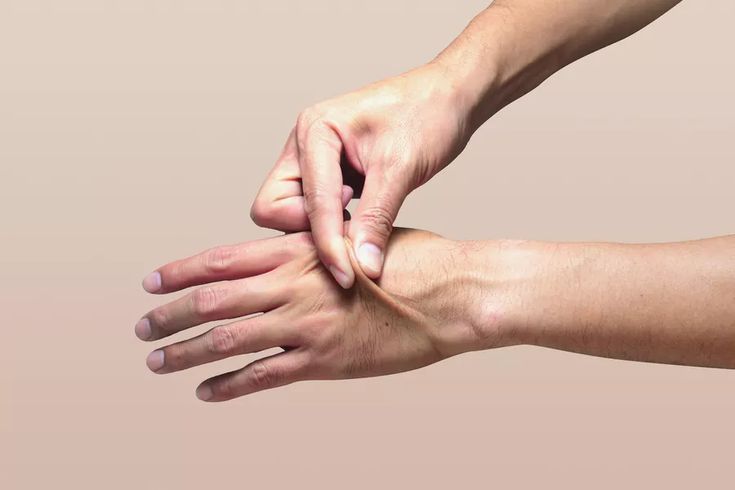
You don't need to go anywhere to examine your body's hydration status. These two simple home tests can help you determine whether you are properly hydrated or dehydrated.
Urine Test
A simple and easy way to assess your hydration status is by observing your urine colour, as mentioned above. Pale yellow urine generally indicates good hydration, while dark yellow or amber-coloured urine suggests dehydration. Infrequent urination with dark urine and a strong odour may indicate significant dehydration and should be evaluated by a healthcare professional. When the body lacks enough water, it conserves fluids by producing more concentrated urine. By identifying your hydration status, you can take the necessary steps to rehydrate yourself.
Skin Pinch Test
Another way to assess your hydration status is the skin pinch test. Gently pinch the skin on the back of your hand and release it. If the skin returns to its normal position immediately, you are likely well hydrated. If it takes a few seconds to return, it may indicate dehydration. However, this test is less reliable in older adults because skin elasticity naturally decreases with age. If your skin remains tented for a prolonged period and you have other symptoms of dehydration, seek medical attention.
When to Seek Medical Help: Not Everything Can Be Fixed With a Glass of Water

While mild dehydration can often be treated by drinking water, especially if you're experiencing thirst or a dry mouth and lips, the severity of your symptoms should determine your next course of action. If you experience persistent dizziness, a rapid heartbeat, or dark amber urine that continues despite drinking fluids, seek medical advice rather than relying solely on water. If your symptoms become more severe, such as confusion, fainting, or little to no urine output, treat it as a medical emergency and seek immediate medical assistance to prevent serious complications.