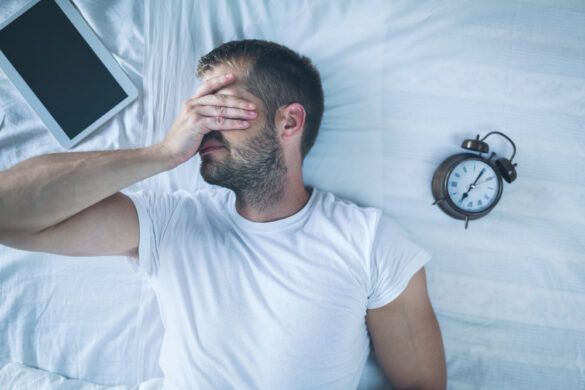
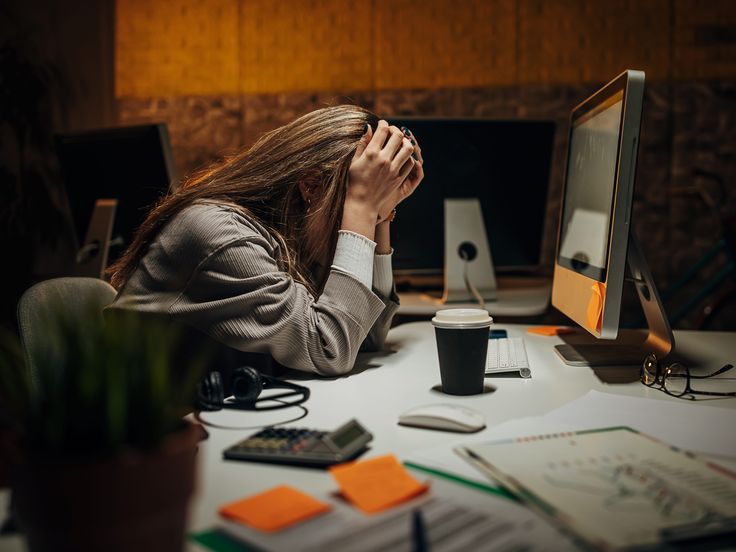
From morning routines and protein goals to meditation, step counts and sleep trackers, wellness has become a lifestyle. Wake up early. Drink your water. Get your steps in. Eat clean. Hit your protein target. Exercise. Meditate. Journal. Sleep eight hours. Repeat. Somewhere along the way, taking care of ourselves started looking suspiciously like another full-time job.
Wellness was once associated with feeling better, slowing down and listening to what the body needed. Today, it can sometimes feel like an endless checklist of things we are supposed to be doing. Even rest can come with rules: the right number of hours, the right bedtime, the right sleep score.
When Self-Care Becomes Self-Optimisation

There is nothing wrong with wanting to be healthier. Sleep, physical activity, nutritious food and meaningful connections are all recognised as important parts of self-care. The World Health Organization itself describes self-care as practices that help people maintain their health and well-being.
The problem begins when every healthy habit becomes a measure of how well we are doing at life. A missed workout can feel like failure. A late night can become something to compensate for. Eating something simply because it tastes good can come with guilt. Even a quiet Sunday can feel unproductive when we have been taught to constantly improve ourselves. Wellness, in that sense, stops being about care and starts becoming about optimisation.
The Pressure to Have the “Perfect” Routine
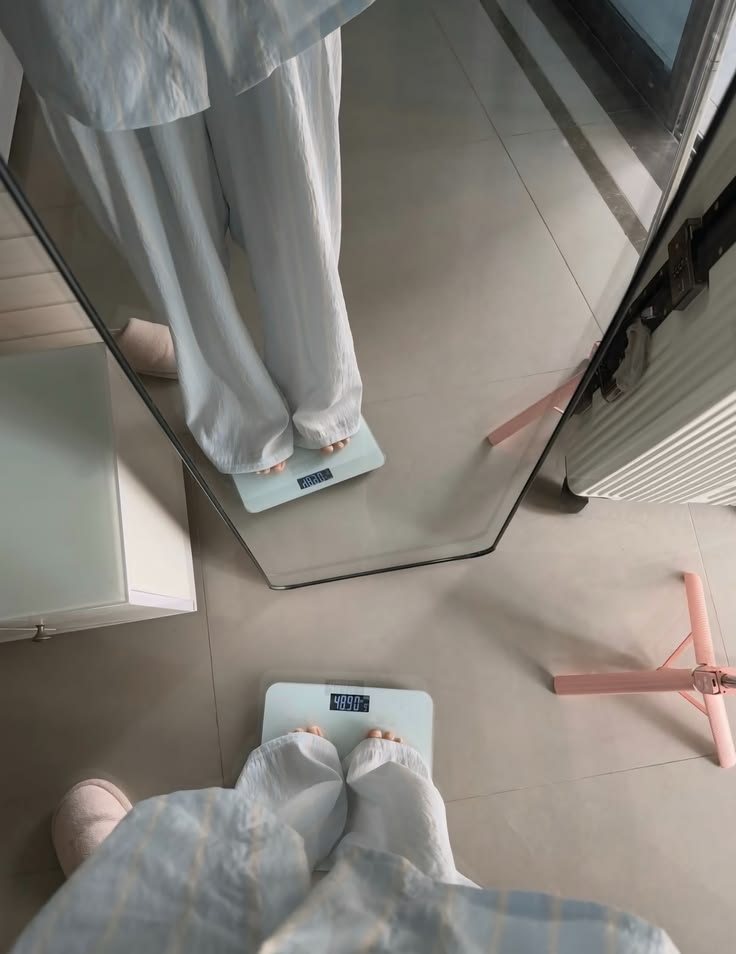
Social media has made wellness highly visible. There are morning routines to copy, meals to recreate, workouts to follow and countless products promising to make us healthier, calmer or more productive. But real life rarely fits neatly into a routine. There will be days when you sleep late, skip the gym, order comfort food or spend an evening doing absolutely nothing. That does not automatically mean you have stopped caring about yourself. In fact, the pressure to maintain an ideal routine can become another source of stress. Long-term stress can affect both mental and physical well-being, while healthy coping can include something as simple as taking breaks, relaxing, sleeping adequately and staying connected to people we trust.
Maybe Wellness Needs to Feel Less Like Work
The irony of modern wellness is that it can leave very little room for simply being. We track our sleep, count our steps, monitor our food and measure our progress. But not everything meaningful can be measured.
Sometimes self-care is going for a walk without checking how many calories it burned. Sometimes it is eating without calculating every nutrient. Sometimes it is calling a friend, reading a book, listening to music or sitting quietly for a while.That does not mean abandoning healthy habits. It means allowing them to support your life rather than taking over it. The goal was never to build a perfect version of yourself. Perhaps wellness should be less about becoming the healthiest, most productive and most disciplined person in the room—and more about creating a life in which your body and mind have enough space to simply breathe. Because taking care of yourself should, at least sometimes, feel like care.