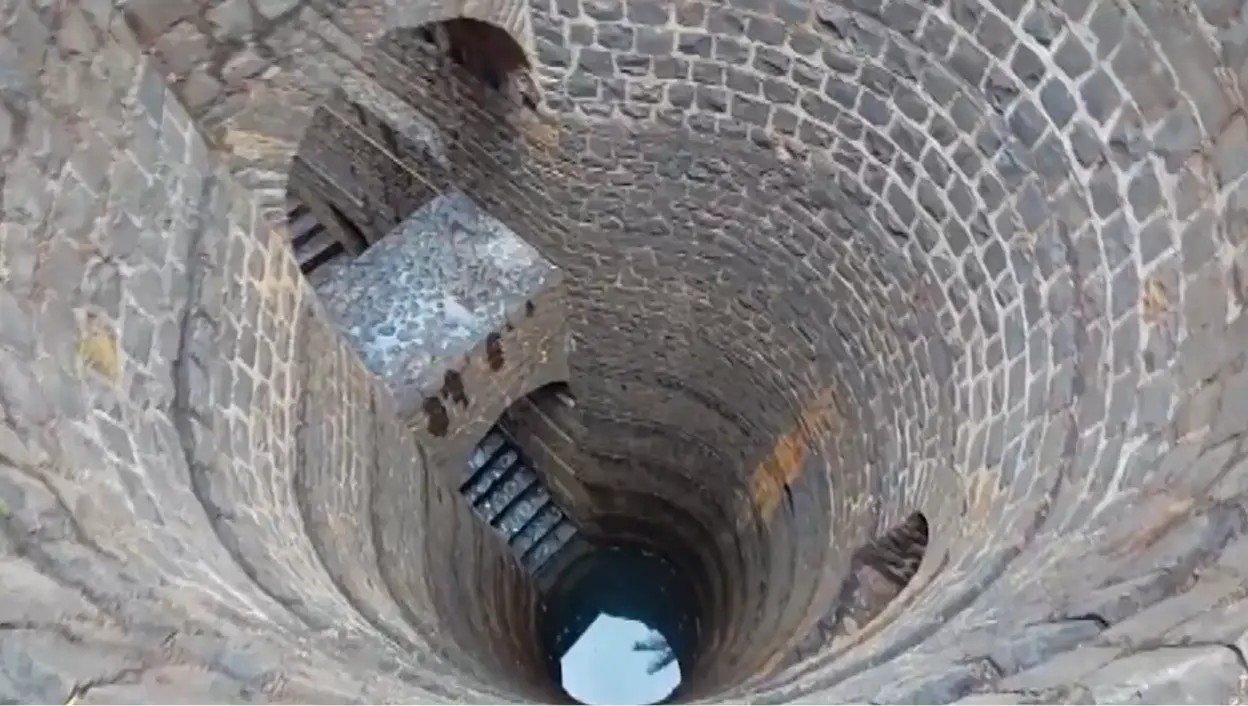
The collective effort of the people of Belagavi, with the help of the Pyaas Foundation, has brought the 300-year-old stepwell back to life after it had been buried under garbage and debris for nearly three decades. Its revival has brought joy to the villagers while preserving another historical monument that reflects India's rich cultural heritage.
Where Is the Stepwell Located?
Located in Kanchveer Nagar of Mutga village in Belagavi district, Karnataka, this historical site was used as a garbage dumping spot by the people. Unaware of its historical and cultural value, the structure remained buried for years. Based on its architectural style, it is believed to date back to the late Adil Shahi period or the early Maratha era, making it around 300 years old.
Restoration Brings the Historic Structure Back to Life
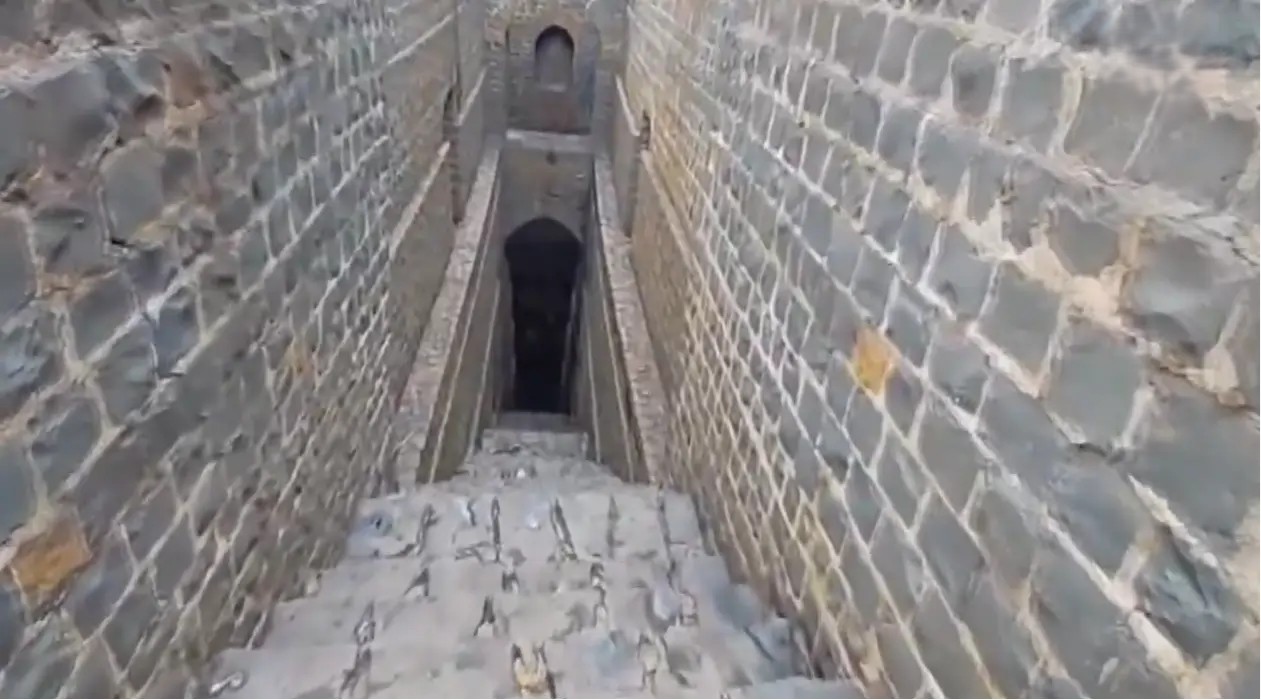
For the revival of the 300-year-old stepwell, the Pyaas Foundation and local volunteers excavated the area to remove the pile of waste, debris, and silt. During the excavation, a natural stream of freshwater emerged from the bottom, showcasing the brilliant historical architecture that once sustained the water supply. The entire restoration was funded by social worker Nitin Khot, whose contribution led to the successful revival of the ancient structure, a thoughtful design that stands as a testament to the engineering advancements of that period.
Shiva Lingam-Shaped Design Leaves Visitors Amazed
Its importance goes beyond its historical value, which is reflected in its unique design. When viewed from above, it resembles a Shiva Lingam, which is considered sacred in Hinduism. Apart from that, the entire architecture, from the arches to the pillars, is engraved with intricate symbols and motifs that showcase the craftsmanship of the time, which is rarely found preserved in such a historical monument. Used as an ancient source of natural water, it reportedly features 58 steps with a depth of around 80 feet.
Why Stepwells Were Important in Ancient India
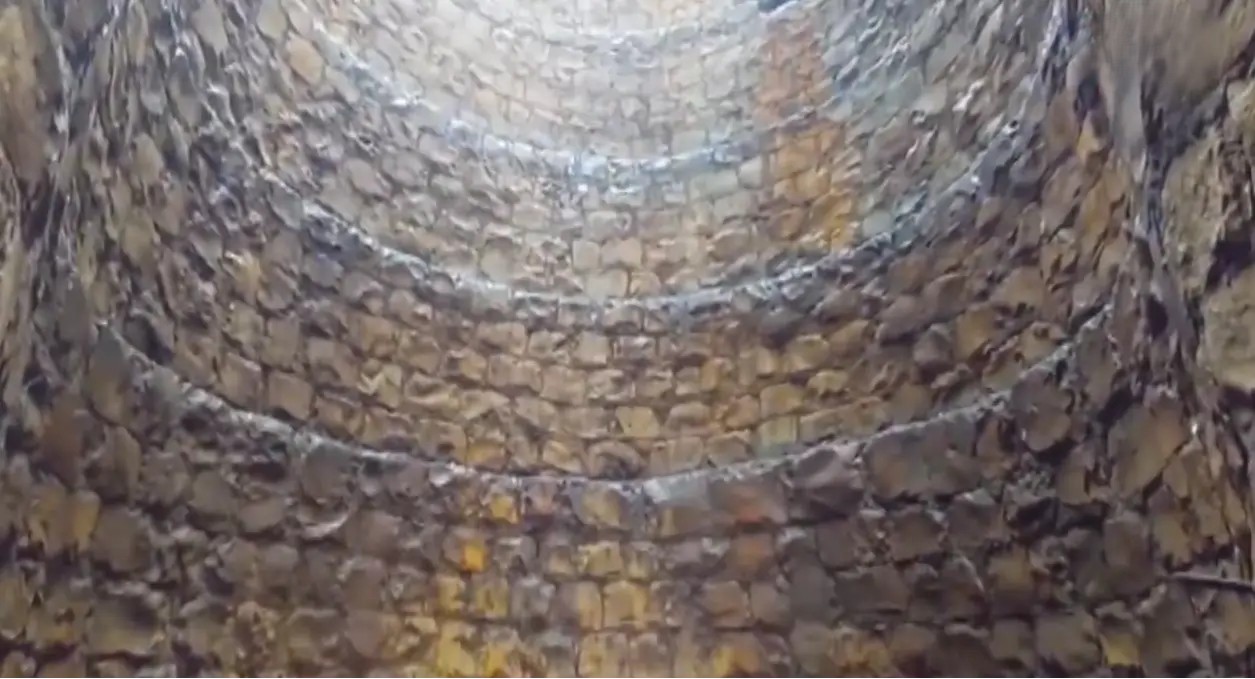
Stepwells are evidence of ancient India's brilliant architectural advancements, enabling efficient water harvesting during that period. The entire structure consists of a meticulous design focused on sustainable water storage that continues to function even after centuries, reminding us of the region's rich heritage and engineering excellence.
Heritage Restoration and Water Conservation
The restoration was driven by the collective efforts of the local community to preserve a historical monument that holds significant value. It helps keep the current generation connected with their rich history and culture while preserving traditions for the future. Furthermore, its architectural brilliance offers a glimpse into the advanced engineering techniques of the past that supported water conservation, highlighting the importance of sustainable environmental practices.
Why This Discovery Matters Today
The revival of the Mutga stepwell is not just about restoring an ancient monument but also about rediscovering India's rich heritage and traditional knowledge of water conservation. It demonstrates how community-led initiatives can preserve historical landmarks while inspiring future generations to protect and value the country's cultural and architectural legacy.