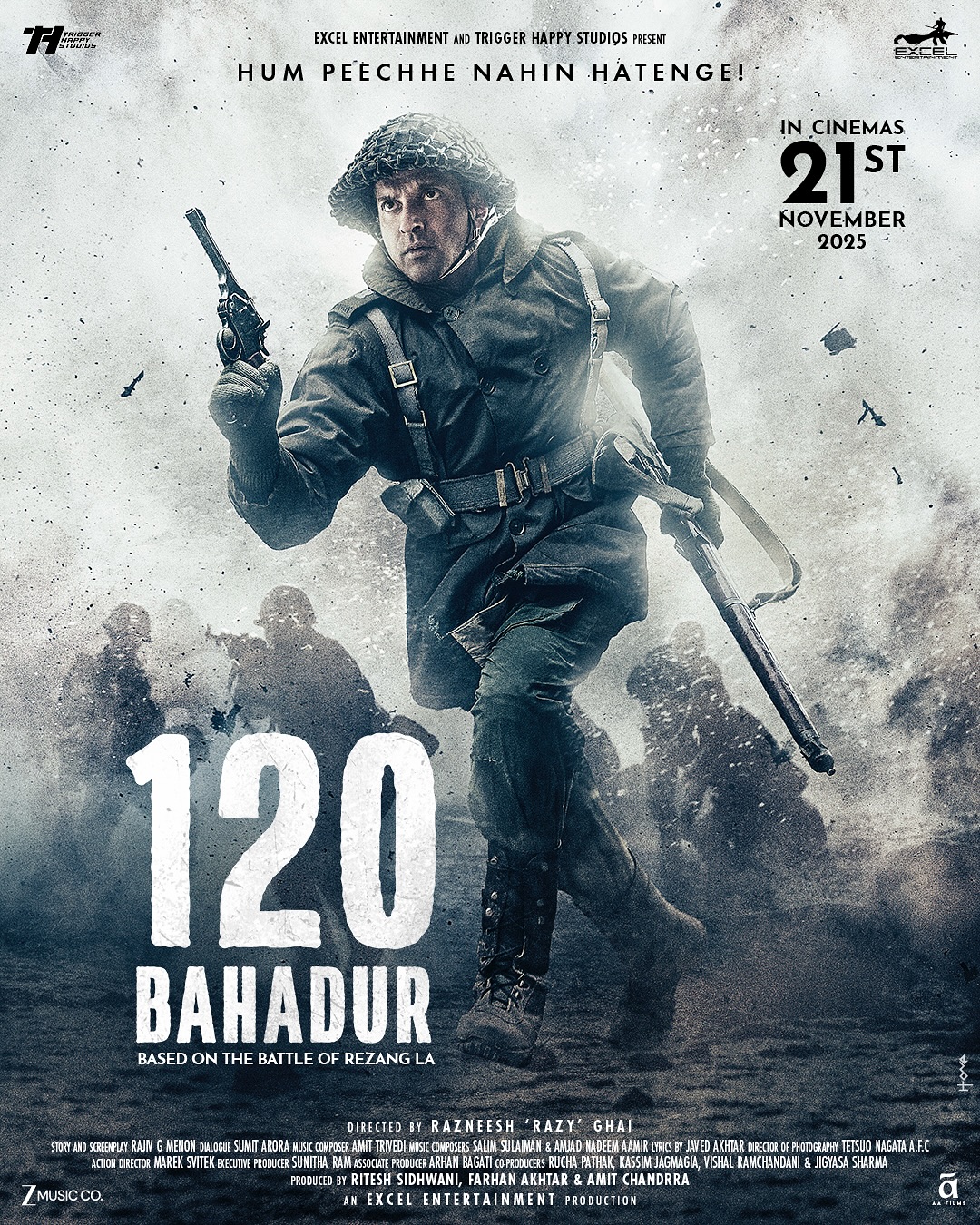

The icy wind lashes the barren ridge of Rezang La, setting the stage for a legendary clash in the heart of unforgiving mountains. 120 Bahadur emerges as a powerful Bollywood war film, honouring the heroic last stand of 120 soldiers from the 13 Kumaon Regiment during the 1962 Battle of Rezang La. The narrative follows Major Shaitan Singh as he rallies his men against staggering odds, battling nearly 30-to-1 enemy forces in brutal conditions to defend the vital Chushul airfield. Rooted in true events and the indomitable spirit of Major Shaitan Singh, the film’s commitment to historical detail is both its greatest strength and a point of contention.
Key Elements of the Movie
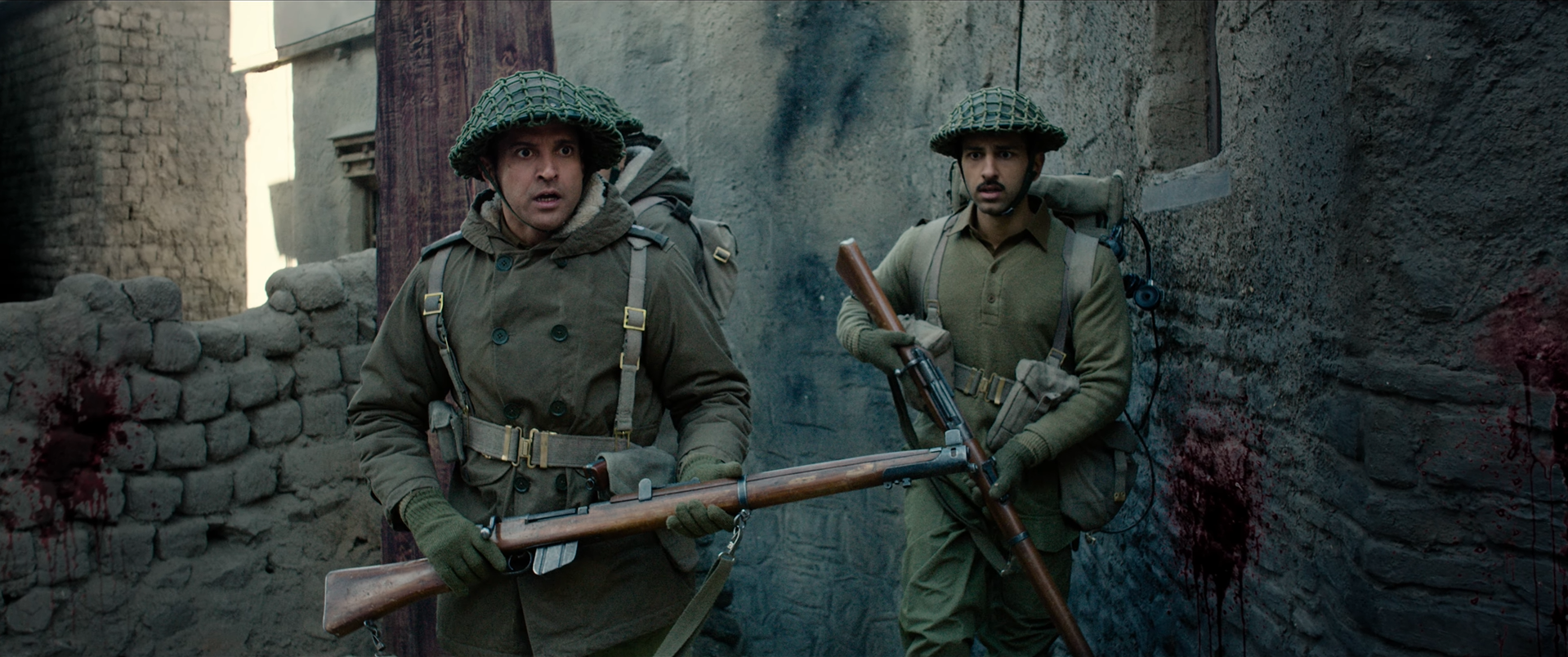
The movie accurately portrays several key facts: the extreme conditions at an altitude of over 16,000 feet in Ladakh, the overwhelming odds against the Indian troops (nearly 30 to 1), and the primary tactical objective of preventing the Chinese from capturing the Chushul airfield. The valour and leadership of Major Shaitan Singh, his critical role in the battle, and the sacrifices of the mostly Ahir soldiers are central themes that resonate with historical accounts.
Criticism
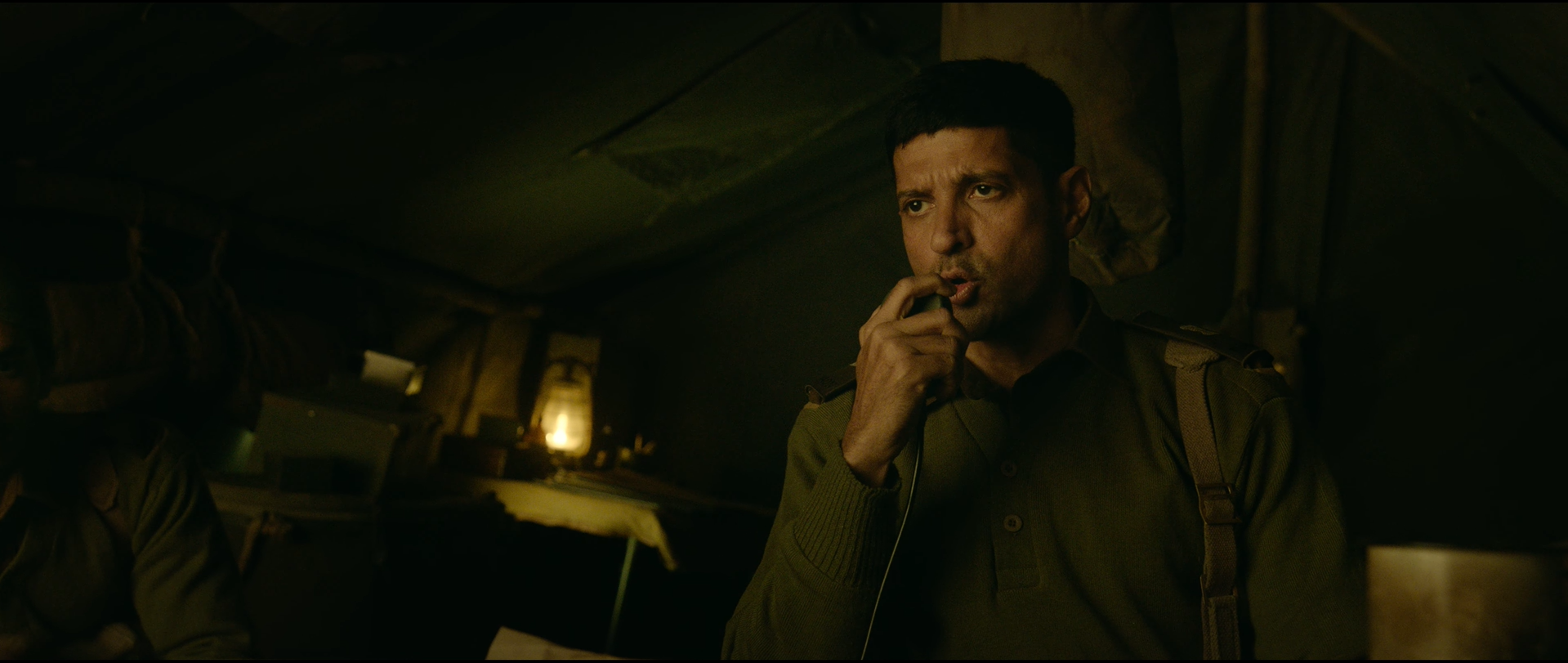
Some historians and members of the Ahir community have expressed concerns that the film prioritises individual heroism over collective sacrifice. Critics point out that the spotlight on Major Shaitan Singh risks eclipsing the regimental unity and shared valour that truly defined the Rezang La battle. For example, a dramatised sequence where Major Singh single-handedly fends off an entire enemy platoon overshadows the regiment’s coordinated bravery. Another scene, featuring a rousing last-minute cavalry charge set to triumphant music, injects cinematic flair rather than reflecting the actual events. Like many war films, the story sometimes favours dramatic momentum over strict historical fidelity, taking emotional and narrative liberties along the way.
Despite these concerns, "120 Bahadur" incorporates significant historical detail: The portrayal of resource shortages, freezing temperatures, and hand-to-hand combat accurately reflects documented wartime experience. One soldier later recalled, 'We fought tirelessly, even as the icy winds bit into our skin, until our ammunition ran dry.' The depiction of the soldiers' resolve, fighting to the last round and dying at their posts, rifles in hand, is supported by military records and eyewitness accounts.
Verdict
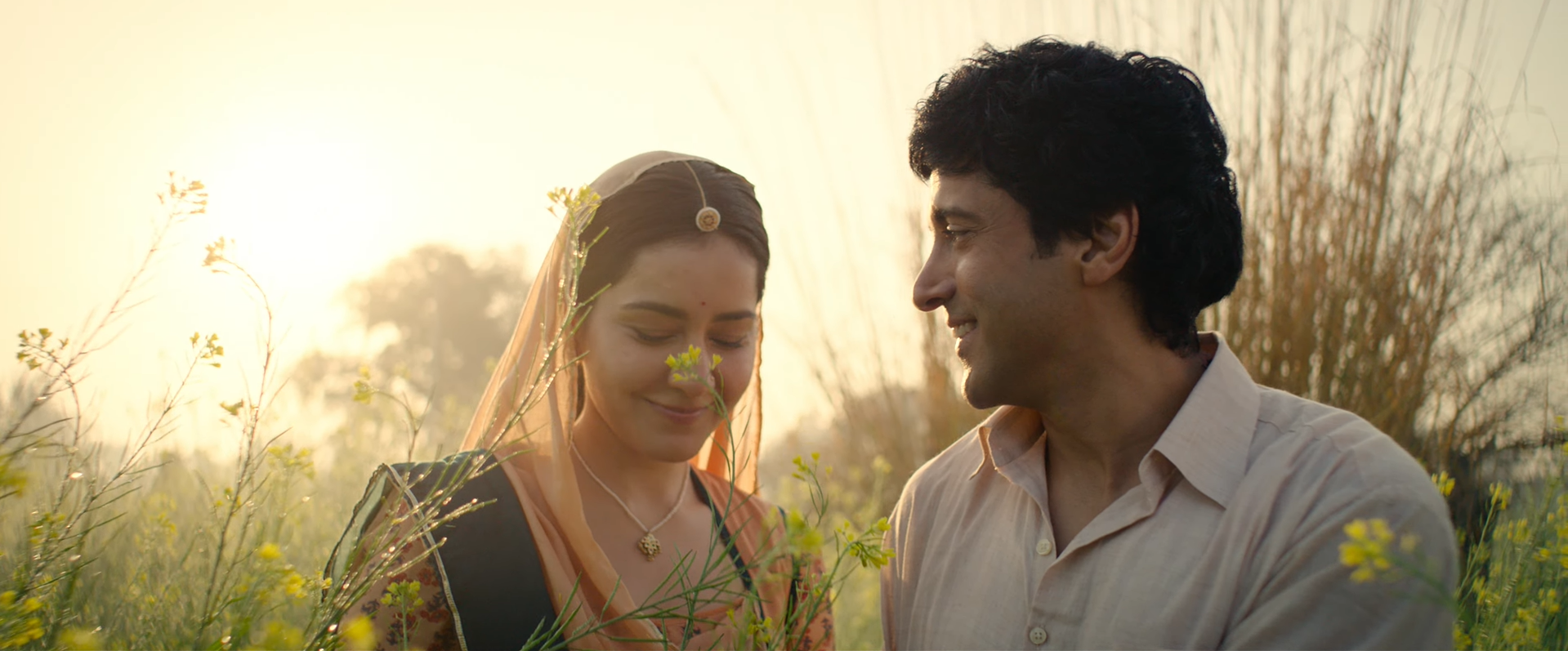
Those drawn to a respectful and visually immersive retelling of Rezang La will find much to admire in the film’s authentic depiction of military life, the weight of loss, and the enduring spirit of heroism. Yet, viewers who prioritise strict historical accuracy may be unsettled by its dramatised flourishes, especially amid ongoing debates about the portrayal of group valour and regimental identity. Reactions have been varied: veterans have praised its depiction of resilience, historians have questioned its creative liberties, and the Ahir community has welcomed the recognition of their role while urging greater focus on collective sacrifice.
"120 Bahadur" succeeds in making "120 Bahadur" brings history to life with stirring energy, even as it sometimes wanders into creative embellishment. The result is a moving, if imperfect, homage to the gallantry at Rezang La.